Expanding Jobs through Autonomous Driving, Semiconductors, and AI
Gwangju Metropolitan City has approved its 2026 Population Policy Implementation Plan, allocating 1.5164 trillion won to the initiative. The city is placing particular emphasis on fostering future strategic industries such as autonomous driving, semiconductors, and artificial intelligence (AI), as well as creating jobs, in order to address the outflow of its young population.
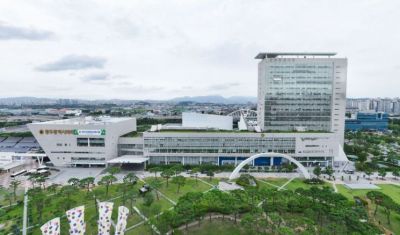
On March 3, Gwangju City held a Population Policy Committee meeting in the main conference room at City Hall, presided over by Administrative Deputy Mayor Ko Gwangwan, to deliberate and approve the "2026 Gwangju Metropolitan City Population Policy Implementation Plan."
This plan identifies the outflow of young people as the core factor behind population decline and focuses on strengthening settlement infrastructure by combining future strategic industries with youth support policies.
The policy will be carried out through four major strategies and 135 detailed tasks: ▲Creating a Child-Friendly and Safe Society ▲Attracting Population Inflows Centered on Job Creation ▲Establishing a Vibrant Urban Space ▲Enhancing Adaptability to Future Demographic Structures.
In the field of "Attracting Population Inflows Centered on Job Creation," 910.2 billion won has been allocated to 52 projects. The city aims to boost industrial competitiveness by carrying out an autonomous driving demonstration project and establishing a semiconductor advanced packaging demonstration center. It will also build an AI-based medical industry demonstration and commercialization ecosystem, and expand the foundation for the future mobility industry. Additionally, by establishing an Arm School and operating the RISE (Regional Innovation-driven University Support System), the city plans to nurture talent that meets corporate demand and connect them to local employment opportunities.
For "Creating a Child-Friendly and Safe Society," 41 projects will receive a total investment of 51.7 billion won. The focus is on the "Child-Friendly All-In 4-Care," which encompasses childbirth, childrearing, medical care, and caregiving. Initiatives include supporting household services for single-parent families, providing congratulatory coexistence cards to families with newborns, offering inpatient child care services, running public night-time and Dalbit children's hospitals, and supporting grandchild caregiving for families.
"Establishing a Vibrant Urban Space" covers 21 projects with a total budget of 497.5 billion won, focusing on expanding cultural and tourism infrastructure and improving the transportation environment. "Enhancing Adaptability to Future Demographic Structures" allocates 57 billion won to 21 projects, which will advance an integrated care system, respond to an aging society, and implement policies to support foreigners.
The Population Policy Committee also reviewed last year's achievements in policies addressing low birth rates and an aging society. The committee discussed ways to supplement policies by life cycle, including expanding birth support and strengthening the foundation for responding to an aging society.
© The Asia Business Daily(www.asiae.co.kr). All rights reserved.