"Maritime Freight Rates on Alternative Routes Could Rise by Up to 50?80%"
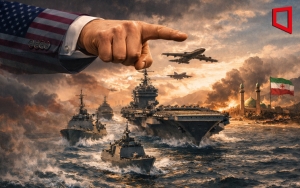
As the Islamic Revolutionary Guard Corps of Iran has announced plans to attack vessels attempting to transit the Strait of Hormuz, South Korea's shipping industry has activated emergency response protocols, moving their ships within the strait to safer locations.
According to the shipping industry on March 3, there are currently about 30 vessels operated by South Korean shipping companies navigating the Strait of Hormuz and its nearby waters.
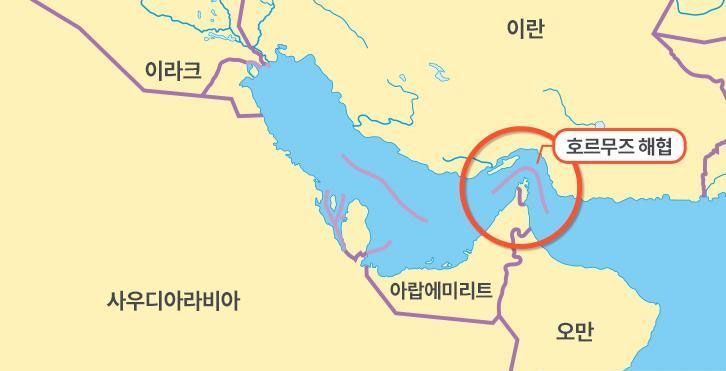
The Strait of Hormuz is a critical oil transport route, handling approximately 20 to 30 percent of the world's oil shipments. As of last year, 69.1 percent of South Korea’s crude oil imports came from the Middle East, with more than 95 percent of that oil passing through the Strait of Hormuz, underscoring the country's high dependency on this route. In particular, this is an unavoidable passage for South Korean shipping companies specializing in oil tankers and bulk carriers.
In response, the South Korean government and the Korea Shipowners’ Association have taken action to evacuate vessels within the strait to safe anchorage and have prohibited nearby ships from entering the strait.
It is reported that HMM, South Korea’s largest container shipping company, has anchored a container ship that was operating in the Strait of Hormuz at the Port of Dubai. Although no decision has been made to reroute, the company is considering unloading cargo at alternative ports rather than at ports within the strait for ships passing near the high-risk area.
Pan Ocean, which operates the largest number of bulk carriers in South Korea, also stated that it has not suspended or rerouted its operations, but is closely monitoring the situation with the safety of its crew as the top priority.
The Korea Shipowners’ Association has sent an official letter to its member companies requesting compliance with safety measures for ships and crew transiting the Strait of Hormuz. The letter includes guidelines such as conducting preemptive safety education and emergency response drills, establishing and implementing security plans for each vessel, and re-examining the status and special conditions of war risk insurance coverage.
If the blockade of the Strait of Hormuz is prolonged, it is expected that shipping rates and insurance premiums will increase, pushing up the prices of energy and other raw materials. Han Jaewan, Head of Logistics Services at the Korea International Trade Association, said, "If rerouting becomes a reality, maritime freight rates could rise by as much as 50 to 80 percent compared to current levels, and delivery times may also increase by about three to five days."
© The Asia Business Daily(www.asiae.co.kr). All rights reserved.