Demand Deposits at Five Major Banks Reach 685 Trillion Won in February
Largest Increase in One Year and Eleven Months
Last month, demand deposits at the five major banks surged by over 33 trillion won, leading to a sharp increase in so-called “idle funds.” The outstanding balance of household loans also reversed its three-month decline, recording a slight increase.
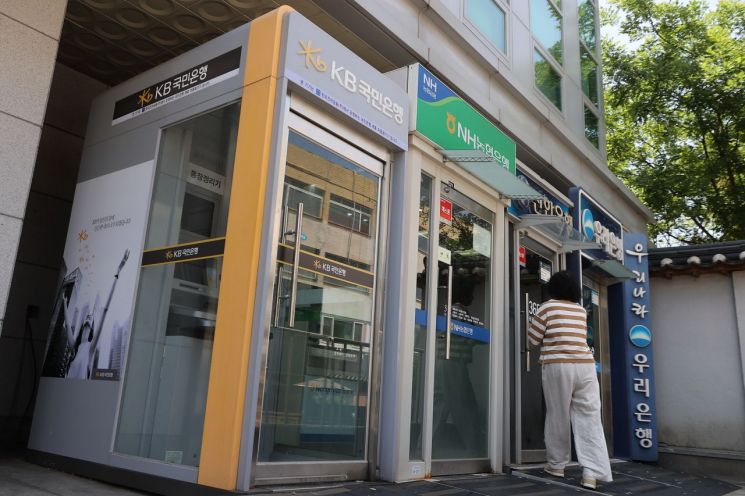
According to the financial sector on March 3, the balance of demand deposits at the five major banks (KB Kookmin, Shinhan, Hana, Woori, and NH NongHyup) reached 684.8604 trillion won at the end of February, marking an increase of 33.3225 trillion won in just one month. This is the largest monthly increase in one year and eleven months since March 2024 (+33.6226 trillion won). As the KOSPI index rises sharply, demand has grown for holding funds in a form that can be moved at any time. The balance of time deposits also turned positive for the first time in three months, increasing by 10.0167 trillion won to reach 946.8897 trillion won.
The outstanding balance of household loans stood at 765.8655 trillion won at the end of February, an increase of 52.3 billion won compared to the end of January. After declining for two consecutive months-by 456.3 billion won in December 2025 and by 1.865 trillion won in January 2026-household loans have increased for the first time in three months.
Mortgage loans also returned to growth. The balance of mortgage loans at the five major banks rose from 610.1245 trillion won at the end of January to 610.7211 trillion won at the end of February, up by 596.7 billion won. In January 2026, mortgage loans had decreased by 1.4836 trillion won-the first decline in one year and ten months since March 2024-but rebounded within just one month in February. This is believed to reflect demand for moving related to the start of the new school year.
Unsecured loans continued to decrease. At the end of February, the outstanding balance of unsecured loans was 104.312 trillion won, down by 433.5 billion won from the previous month, marking the third consecutive month of decline. While household loans showed a slight increase, the overall decrease was driven by the continued reduction in unsecured loans, which generally carry higher interest rates.
© The Asia Business Daily(www.asiae.co.kr). All rights reserved.