Urging Compliance with the Individual Debtor Protection Act
FSS Calls for Enhanced Data Security in the Lending Industry
Encouraging Participation in the New Leap Fund
Incentives Provided
The Financial Supervisory Service (FSS) has urged the lending industry to strictly comply with user protection regulations under the Individual Debtor Protection Act, such as limits on delinquency interest rates and a ban on excessive debt collection. The FSS plans to focus on checking compliance with relevant laws through on-site inspections and to monitor the status of debt restructuring approvals every month to ensure the settlement of the debt restructuring system.
On March 3, Kim Hyungwon, Deputy Governor for Public Finance at the Financial Supervisory Service, held a meeting with the CEOs of 17 lending and lending brokerage companies, emphasizing the need to strengthen user protection for lending industry customers and to establish sound business practices.
The FSS particularly called for enhanced guidance on the 'right to request debt restructuring' for borrowers with principal amounts of less than 30 million won, and urged active operation of debt restructuring systems such as principal and interest reduction and maturity extension. To this end, the FSS plans to inspect compliance with the Individual Debtor Protection Act through on-site inspections and to monitor the status of debt restructuring approvals on a monthly basis.
The FSS also warned against indiscriminate statute of limitations revival practices related to time-barred claims. The agency called for restraint from shifting the burden onto vulnerable borrowers who have lost repayment ability by inducing partial payments to extend the statute of limitations.
Additionally, the FSS urged the industry to refrain from frequent resale of claims in order to prevent intensified debt collection efforts during the sale of delinquent claims. Together with industry associations, the FSS plans to establish 'best practice guidelines for statute of limitations management' to prevent indiscriminate extensions of the statute of limitations for vulnerable borrowers.
The FSS also called for strengthening information security. Following a ransomware attack on a lending company in August last year, which resulted in internal information being leaked to the dark web, the FSS stressed the need to reinforce personal and credit information protection systems. The FSS will review the status of security measures for the lending industry's credit information systems within the year and will guide improvements for any deficiencies identified.
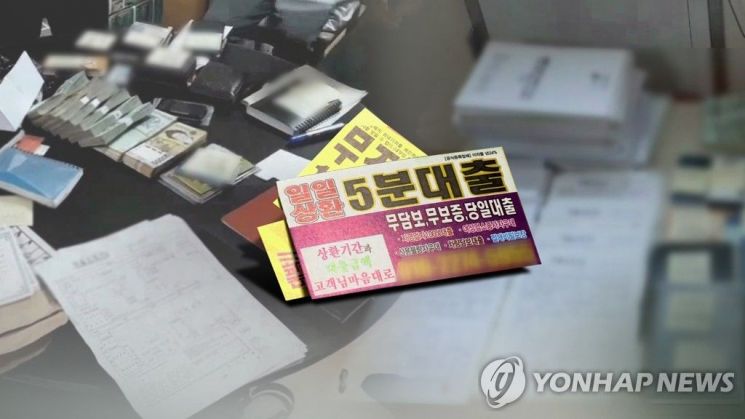
The FSS also stated that it would take strict action against operators of lending brokerage websites who provide contact information of loan applicants to illegal private lenders. If any unlawful activities are uncovered during this year's on-site inspections, the FSS plans to take stern measures.
The FSS encouraged participation in the 'New Leap Fund,' a public safety net that supports the recovery of low-income and vulnerable groups with long-term delinquencies. For lending companies participating in the agreement, incentives such as allowing the sale of individual delinquent claims to the acquisition fund and permitting borrowing from banks are provided.
Furthermore, the FSS plans to support bank funding for 'outstanding lending companies for inclusive finance' that meet certain requirements, such as having outstanding credit loans of over 10 billion won for low-credit borrowers (the bottom 10% in credit scores), in order to improve the credit supply environment.
While the CEOs of lending companies agreed on the need for user protection and the establishment of sound business practices, they expressed concerns about the difficulty of maintaining profitability due to high funding costs and bad debt expenses, while also complying with the statutory maximum interest rate (20% per annum). They suggested easing restrictions on loans to lending companies by other financial sectors and expanding incentives for the 'outstanding lending companies for inclusive finance' system.
The FSS stated that it will continue to inspect compliance with relevant laws such as the Individual Debtor Protection Act and the Lending Business Act, and will also review for false or exaggerated advertisements and connections with illegal private lenders. In addition, the FSS announced plans to seek support measures to improve credit supply conditions for low-income and vulnerable groups in the lending industry through consultation with the Financial Services Commission.
© The Asia Business Daily(www.asiae.co.kr). All rights reserved.