King Jeongjo's Talent Cultivation Project: The "Chogye Munsin System" and More
From the Power of Contemporary Indie Culture to an Analysis of "Sadaegi"
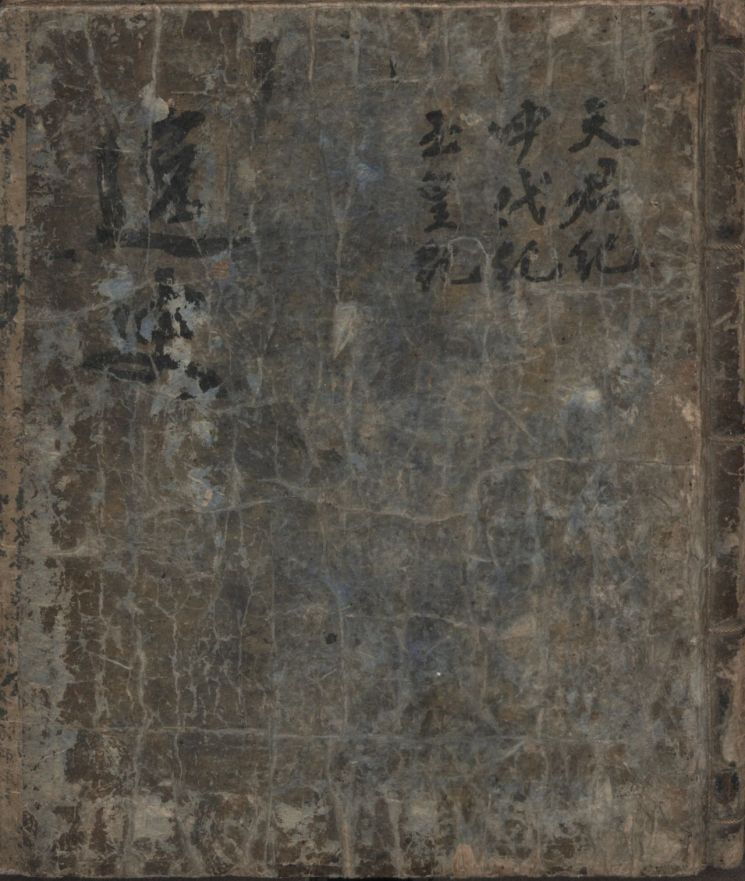 Deposited Materials of the 'Pyeonghae Hwang Clan Haewol Ancestral House' Owned by the National Institute of Korean Studies
The National Institute of Korean Studies announced on March 3 that it has published the March issue of the humanities webzine "Dam (談)" under the theme "Gyeongchip, Thunder Awakening the Senses at the Threshold of Earth."
This issue focuses on the spirit of emerging talent that awakens a stagnant society and the independent sensibilities that are not confined by established conventions, marking Gyeongchip-a seasonal point when all things come to life.
Professor Kang Moonsik highlights King Jeongjo's talent cultivation project during the late Joseon Dynasty through the "Chogye Munsin System." This system selected young scholars and provided further education at the Gyujanggak, producing 142 of the era's top talents, including Jeong Yak-yong and Lee Seogu. The royal examination, in which the king personally set and graded the questions, reflects an academic aspiration to usher in a new era.
The issue also features analyses that bridge contemporary art and the classics. Reporter Lee Minwoo captures the vitality of indie culture, which does not rely on the mainstream, through the band Jambinai and the novel "Cursed Bunny." Researcher Hong Hyunseong analyzes the classical novel "Sadaegi," held by the National Institute of Korean Studies, and interprets the meaning of Gyeongchip by likening it to the cycles of nature and the rise and fall of dynasties.
In addition, the issue includes a variety of creative works such as the webtoon "Gyeongchip Mongga," the short story "Gyeongchip and the Golden Frog," and performance analyses. The content is available on the Story Theme Park website of the National Institute of Korean Studies.
© The Asia Business Daily(www.asiae.co.kr). All rights reserved.