Popular Winter Beverage "Hot Chocolate"
Excessive Sugar May Inhibit Calcium Absorption
Risks Increase with Added Whipped Cream and Toppings
Concerns have been raised that hot chocolate, a popular winter beverage, may harm bone health. Although it is a milk-based drink rich in calcium, the addition of whipped cream and various toppings can cause a sharp increase in sugar content, which may inhibit calcium absorption and even trigger inflammatory responses.
 Hot chocolate, especially popular during winter, can negatively affect bone health due to excessive sugar content. Photo by Pexels
On December 1 (local time), the British newspaper The Independent reported, citing expert opinions, that the excessive sugar content in hot chocolate can negatively affect bone health. In many cases, a single cup of hot chocolate contains more sugar than two chocolate bars.
Hot chocolate is fundamentally made with milk, which is rich in calcium. According to the University of Rochester Medical Center, a cup of skim milk contains about 300 mg of calcium, while a typical hot chocolate contains about 262.5 mg of calcium. The issue lies in the added sugar and toppings. A single cup of hot chocolate contains between 20 and 60 grams of sugar, and when whipped cream, sprinkles, or chocolate powder are added, the sugar content can more than double.
Pamela Mehta, founder of California Resilience Orthopedics, warned, "The milk in hot chocolate provides calcium and protein, but excessive sugar and whipped cream can negate these nutritional benefits." She emphasized that simply consuming calcium is not enough to offset the negative effects of sugar on bone health.
Experts Advise Moderating Sugar Intake Rather Than Complete Abstinence
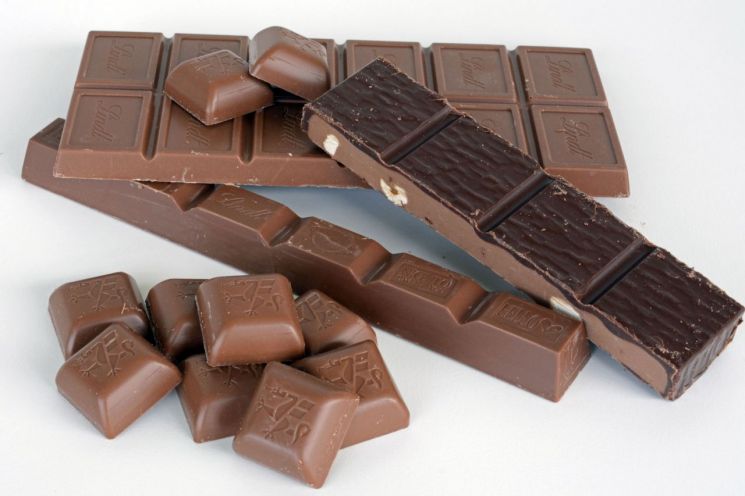
Research supports these concerns. Chocolate has been shown to lower bone density in postmenopausal women, and daily consumption may interfere with calcium absorption. Sugar content also varies by chocolate type: white chocolate can contain up to 65 grams, milk chocolate up to 60 grams, while dark chocolate contains a relatively lower amount at around 30 grams.
Dark chocolate is considered a better choice than milk or white chocolate because it contains flavonoids, magnesium, and phosphorus, which have anti-inflammatory effects and are beneficial for bone health.
Experts recommend moderating sugar intake rather than completely avoiding hot chocolate. Using low-sugar sweeteners instead of regular sugar or avoiding powdered hot chocolate mix products are suggested strategies. Additionally, supplementing calcium through alternative beverages such as almond milk lattes is also recommended.
According to U.S. federal health guidelines, the recommended daily calcium intake for adults is 1,200 mg. Experts advise, "Excessive sugar causes inflammation and can disrupt the balance between bone breakdown and formation." They recommend avoiding excessive sugar consumption and maintaining a balanced diet that includes adequate calcium supplementation.
© The Asia Business Daily(www.asiae.co.kr). All rights reserved.