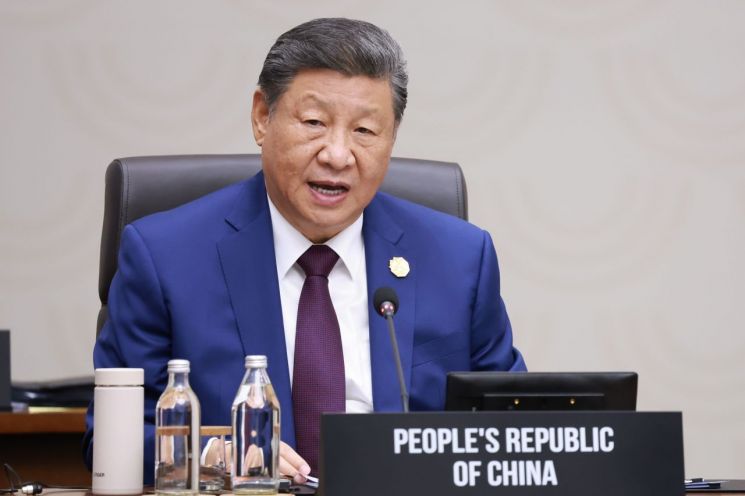
As relations between China and Japan have rapidly deteriorated, analysts suggest that China’s hardline stance stems from the belief that remarks by Japanese Prime Minister Sanae Takaichi damaged the dignity of Chinese President Xi Jinping.
On November 16, the Yomiuri Shimbun reported that immediately after President Xi and Prime Minister Takaichi held talks in Gyeongju on October 31, China initially adopted a conciliatory approach toward Japan, but later shifted its stance.
However, when Prime Minister Takaichi, on November 7, became the first sitting Japanese prime minister to hint at the possibility of Japanese military intervention in the event of a Taiwan contingency during a parliamentary session, it was seen as an affront to President Xi’s dignity.
From China’s perspective, this year marks both the end of Japanese occupation of Taiwan and the 80th anniversary of victory in the War of Resistance Against Japan. The Yomiuri added that the Japanese prime minister’s sensitive remarks regarding Taiwan may have prompted an even stronger backlash from China.
In fact, on November 3, China announced that it would extend its visa-free policy for South Korea, Japan, and other countries until the end of next year. On November 5, China resumed imports of Japanese seafood, which had been banned for over two years following the release of treated water from the Fukushima Daiichi Nuclear Power Plant.
The Yomiuri noted that on November 14, the Chinese Ministry of Foreign Affairs summoned Japanese Ambassador to China Kenji Kanasugi in accordance with “instructions,” and reported that these instructions had come from the Communist Party’s top leadership.
China has been pressuring Prime Minister Takaichi daily to retract her statement. However, Japanese media outlets believe that if Prime Minister Takaichi were to withdraw her remarks, she would lose support from conservative groups, and China might escalate its demands even further, making the likelihood of retraction extremely low.
For now, the Japanese government is seeking ways to de-escalate tensions and find a starting point for dialogue. Chief Cabinet Secretary Minoru Kihara, the government spokesperson, stated the previous day, “Given the differences in our positions, multilayered communication between the two countries is crucial.” The government is also considering sending National Security Secretariat Director Keiichi Ichikawa to China.
© The Asia Business Daily(www.asiae.co.kr). All rights reserved.