U.S. and Argentina Reach Trade and Investment Framework Agreement
Eased Restrictions on Beef Imports
Steel and Aluminum Effectively Duty-Free
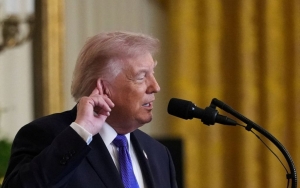
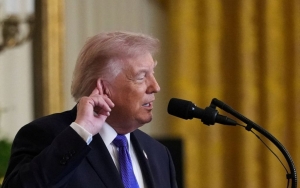
The administration of former U.S. President Donald Trump announced on November 13 (local time) that it had reached an agreement with Argentina on a "Framework for Mutual Trade and Investment Agreements."

According to Argentine daily Clar?n and a statement from the White House, the two countries have agreed to establish a new trade framework centered on tariff reductions, elimination of non-tariff barriers, expansion of agricultural and livestock markets, and mutual recognition of regulatory standards. They also agreed to comprehensively overhaul the trade and investment environment.
This measure is interpreted as the United States' official expression of support for the economic reform policies of Argentine President Javier Milei.
Under the agreement, Argentina will grant preferential tariff treatment to U.S.-made pharmaceuticals, chemical products, machinery, medical devices, vehicles, and certain agricultural products. The United States, in turn, will eliminate tariffs on raw materials and certain pharmaceutical-related items that are difficult to produce domestically.
The two sides also agreed to lower barriers to the beef market, which had been a key point of contention. The U.S. government stated that, in the future, if Section 232 of the Trade Expansion Act is applied to restrict imports for national security reasons, the impact of this agreement will be taken into consideration.
According to Argentine news outlet Infobae, steel and aluminum products, which are subject to Section 232 of the U.S. Trade Expansion Act, will be included in a quota system that effectively applies near-zero tariff rates under this agreement.
Argentina will gradually eliminate non-tariff barriers such as the import licensing system and will not require separate domestic conformity assessments for products that meet U.S. or international standards.
In the agricultural sector, the market for U.S. poultry will be opened within a year, restrictions on the use of U.S.-style processed cheese names will be lifted, and sanitary and quarantine procedures for livestock products such as beef and pork will be streamlined. The requirement for facility registration for U.S. dairy products will also be abolished.
The two countries also agreed to strengthen cooperation on economic and trade security, including export controls, investment security, and the prevention of tariff evasion. The United States will be recognized as a country with an adequate level of protection for the transfer of personal data, thereby expanding digital trade.
The White House stated that both countries plan to quickly finalize the text of the agreement and complete their respective domestic procedures to bring it into effect.
© The Asia Business Daily(www.asiae.co.kr). All rights reserved.