A group that operated three manager-operated clinics specializing in prescribing diet drugs and received tens of billions of won in rebates from pharmacists and pharmaceutical companies has been apprehended by the police.
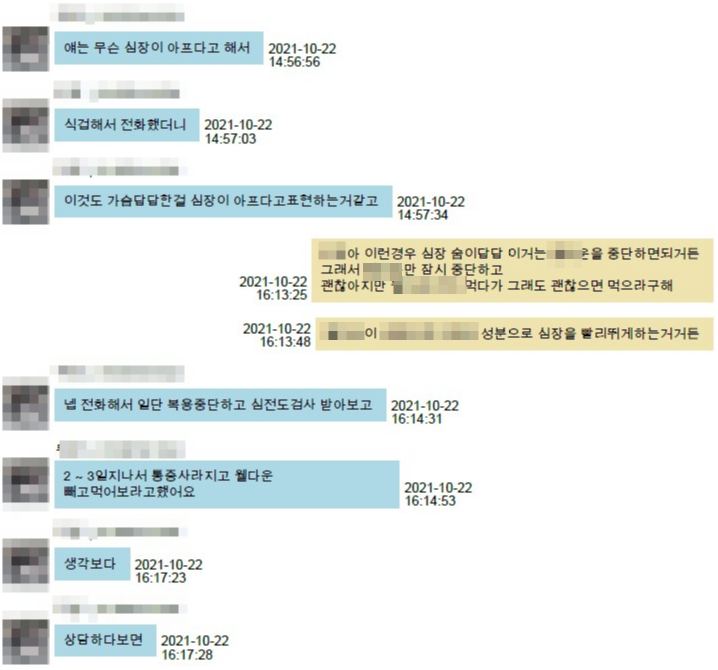 The Seoul Metropolitan Police Agency's Criminal Mobile Unit announced on the 14th that they have apprehended and sent to prosecution seven individuals, including marketers and doctors, who operated a clinic specializing in prescribing diet drugs, on charges including violation of the Medical Service Act. The photo shows a conversation among hospital staff related to adverse effects that occurred at the clinic they operated. Photo by Seoul Metropolitan Police Agency
The Criminal Mobile Unit of the Seoul Metropolitan Police Agency announced on the 14th that they have arrested and sent to prosecution seven individuals, including marketers and doctors, who operated manager-operated clinics specializing in prescribing diet drugs on charges including violation of the Medical Service Act. Four of them have been detained. The police have also taken pre-indictment confiscation measures for criminal proceeds amounting to 1.63 billion won. In addition, seven individuals, including pharmacists and pharmaceutical wholesalers who provided rebates to these suspects, have also been sent to prosecution without detention on charges of violating the Pharmaceutical Affairs Act.
According to the police, three operators of the manager-operated clinics, in collusion with doctors, ran three such clinics specializing in diet drug prescriptions from 2020 until February this year and are accused of receiving 2.1 billion won in rebates. A manager-operated clinic refers to an illegal medical institution established and operated by non-medical personnel who borrow the name of a doctor or hospital. These clinics signed 'exclusive contracts' with three pharmacies and collected rebates equivalent to 50% of the profits from prescriptions.
The investigation revealed that these clinics disguised the funds used to open and operate the hospitals as 'loans,' transferring them to the employed doctors' accounts and then recovering them under the pretense of 'repayment.' This was done to make it appear as if the actual operators were merely investors, not those running the clinics. Furthermore, it was found that a medical professional with actual experience in running a diet clinic designed the scheme.

In addition, the clinics operated solely for the purpose of prescribing diet drugs, which are non-insurance items, in order to avoid administrative investigations by the National Health Insurance Service. They also mimicked the prescription systems of well-known diet clinics and issued uniform prescriptions. Staff members were instructed to post false treatment experiences on internet blogs and portals, and these activities were reflected in their performance evaluations. There is also evidence that the suspects tried to conceal their illegal activities over an extended period by requiring employees to sign 'confidentiality agreements' to prevent internal reporting.
This case is the first to be detected since the implementation in January of the new clause prohibiting the provision or acceptance of compensation for prescriptions. The clause was established to eradicate the practice of medical institutions or pharmacies exchanging money or economic benefits for issuing prescriptions.
A police official emphasized, "We will continue to conduct strong intelligence activities and strict investigations into systemic corruption and thoroughly recover any illegal profits."
© The Asia Business Daily(www.asiae.co.kr). All rights reserved.