KCCI's Industry 'Weather Map' Shows High Exchange Rate Impact
Most Sectors 'Cloudy' Except Shipbuilding, Automobile, and Machinery
Bio Industry Faces Double Burden from Raw Material Imports and Overseas Clinical Trials
Steel, Petrochemical, and Refining Industries Worry About Profitability
Semiconductor, Battery, and Display Sectors Face High Overseas Plant Investment
"Concerns Over Prolonged High Exchange Rate in the Trump Era"
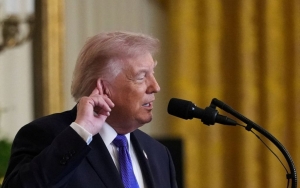
The burden from increased raw material import costs and overseas investment expenses due to the high exchange rate is significantly impacting concerns across our industries. With growing expectations that the high exchange rate will persist for some time around the inauguration of U.S. President Donald Trump, voices are emerging calling for the government and industry to prepare countermeasures against 'exchange rate risk.'
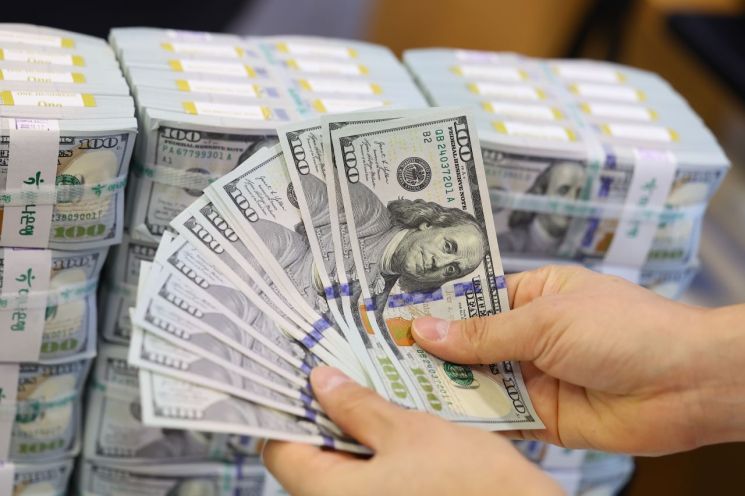 A person checking dollars at the Hana Bank Counterfeit Response Center in Jung-gu, Seoul. Photo by Yonhap News.
The Korea Chamber of Commerce and Industry recently expressed the impact of the high exchange rate trend on major industries through a weather map in collaboration with 12 major industry associations. On the 20th, it announced that the bio, semiconductor, battery, steel, petrochemical, refining, display, textile fashion, and food industries were depicted as 'cloudy,' while shipbuilding, automobile, and machinery industries were shown as 'mostly clear.'
In particular, the pharmaceutical and bio industries face significant cost burdens from the high exchange rate due to their high dependence on imported active pharmaceutical ingredients and active overseas clinical trials. The Korea Bio Association stated, "While there is an exchange rate effect on exports of biosimilar and contract development and manufacturing organizations, most domestic companies are suffering a double burden from rising import costs and increased research and development (R&D) investment expenses."
The steel, petrochemical, and refining industries are also facing concerns over deteriorating profitability and financial structure as the high exchange rate compounds already sluggish market conditions. The Korea Iron & Steel Association diagnosed, "Due to sluggish demand in steel-consuming industries and export price reductions caused by China's overproduction, the benefits of exchange rate increases are limited, while the burden of raw materials such as iron ore and coking coal is also rising."
The semiconductor, battery, and display industries expressed concerns about manufacturing cost burdens from the high exchange rate along with rising overseas investment costs for foreign factories. The Korea Semiconductor Industry Association said, "There is clearly a short-term sales increase effect due to the exchange rate rise," but added, "The localization rate of materials, parts, and equipment in the semiconductor sector is about 30%, increasing production costs, and major domestic companies invest in establishing semiconductor manufacturing plants overseas, such as in the U.S., offsetting the sales increase effect."
The textile fashion industry is expected to be more sensitive to the impact of exchange rate increases as many businesses have fewer than 10 employees. The Korea Federation of Textile Industries expressed concern, stating, "Small and medium-sized enterprises with a high proportion of imported raw and subsidiary materials may experience further production declines if the high exchange rate persists."
The food industry also pointed out the burden of rising raw material prices. The proportion of domestic raw materials used in the Korean food manufacturing industry is 31.8%, relying heavily on imports for major raw materials such as wheat, soybeans, corn, and raw sugar. The Korea Food Industry Association emphasized, "Measures such as temporarily lowering import tariffs on major food raw materials are necessary."
For export-heavy industries like shipbuilding, automobile, and machinery, the positive aspects of the high exchange rate are expected to be greater. However, if the high exchange rate persists long-term, adverse effects such as cost increases and demand contraction may arise. The Korea Shipbuilding & Offshore Plant Association stated, "Since the cargo hold technology, a core facility of LNG carriers, depends on overseas sources, the industry's cost burden may increase."
Lee Jong-myung, head of the Industrial Innovation Division at the Korea Chamber of Commerce and Industry, suggested, "To prevent our economy from being swept away by the high exchange rate wave, alongside corporate efforts, the government needs to play an active role by expanding currency swap lines with major countries like the U.S. and providing emergency operating funds and financial support to industries affected by exchange rate damage."
© The Asia Business Daily(www.asiae.co.kr). All rights reserved.