Report Presentation on Recent Evaluations and Implications of Distressed Companies
The number of marginal companies that cannot even properly repay interest with their earnings is continuously increasing, raising concerns about the need for structural improvements.
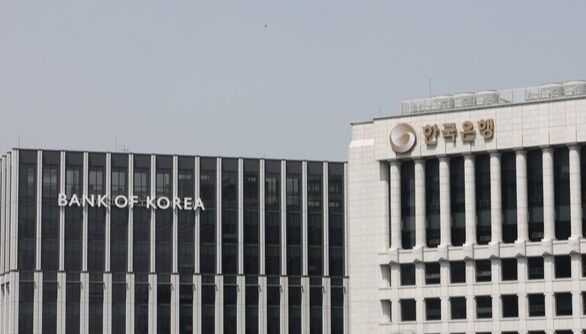
On the 5th, Seopyeongseok, Head of the Financial Stability Planning Department at the Bank of Korea, presented a report titled "Recent Evaluation of Marginal Companies and Implications" at a policy symposium held at the Bank of Korea, making this assertion.
According to the report, as of the end of last year, marginal companies accounted for 16.4% of all externally audited companies in South Korea. Marginal companies are those whose interest coverage ratio?operating profit divided by interest expenses?has been below 1 for three consecutive years, indicating a prolonged vulnerability in debt repayment capacity.
Marginal companies have recently been expanding mainly among small and medium-sized enterprises, and a significant portion (75.5%) of marginal companies from the previous year have remained in a marginal state for several years.
By industry, real estate accounted for the largest share (26.0%) among marginal companies, and within individual sectors, the proportion of marginal companies was high in accommodation and food services (59.0%) and transportation (49.2%).
Analyzing financial soundness before and after entering marginal status, marginal companies faced deterioration in profitability (-7.7 percentage points) and liquidity (-62.4 percentage points) compared to normal companies even before entering the marginal state, along with rising borrowing costs. This trend continued for a considerable period after entering the marginal state.
Furthermore, marginal companies showed a higher borrowing growth rate (+8.2 percentage points) compared to normal companies before entering the marginal state, which led to an increase in debt ratio and a decline in financial structure stability.
Marginal companies even had a negative impact by undermining the growth of normal companies within the same industry. When the proportion of marginal companies within an industry increased by 10 percentage points, the sales growth rate (-2.04 percentage points), return on total assets (-0.51 percentage points), and operating cash flow ratio (-0.26 percentage points) of normal companies decreased, while the average interest rate on borrowings (+0.11 percentage points) increased. This trend was particularly pronounced among small and medium-sized enterprises and in the service sector.
Seopyeongseok stated, "The increase in marginal companies can act as a factor that raises overall credit risk in the corporate sector, necessitating risk management and restructuring efforts. In particular, financial institutions should improve corporate financial risk management by reflecting possible changes in financial soundness before and after companies enter marginal status. From a mid- to long-term perspective, timely restructuring of marginal companies and continuous efforts to improve vulnerable industries should be maintained."
© The Asia Business Daily(www.asiae.co.kr). All rights reserved.