Yangju City Hoeamsa Temple Site Museum Leads the Way Toward World Heritage as a K-Museum
14 Excavations Shine New Light Through Scientific Analysis
Meeting the International Community on the UNESCO Stage
Expanding Intergenerational Education: A Museum That Embraces Through Culture
Pursuing Sustainable Heritage Management and Becoming a Comprehensive Cultural Space
Over 600 years ago, a grand Buddhist temple served as a place for royal prayers and spiritual practice. This was Hoeamsa, the largest royal temple from the late Goryeo to early Joseon periods. After centuries of silence, the remains of this historic site resurfaced through 14 rounds of excavation, with the Hoeamsa Temple Site Museum at its center.
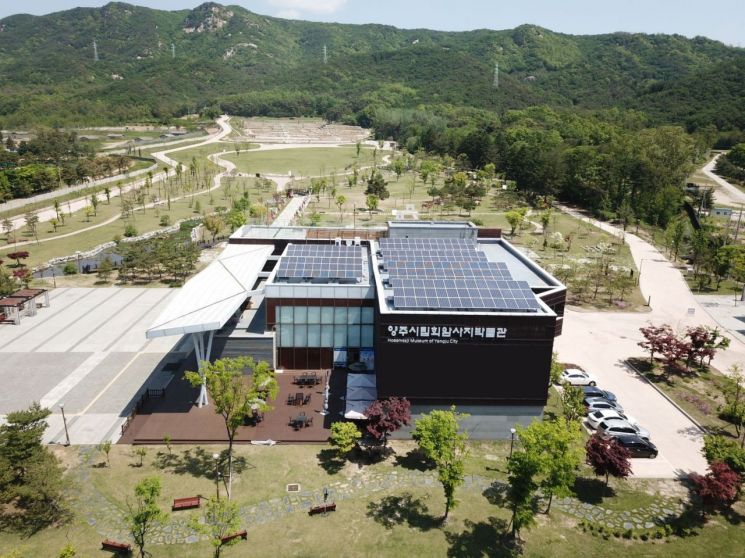
According to Yangju City on March 3, the Yangju City Hoeamsa Temple Site Museum, which opened in 2012, has served as a key strategic hub for systematically preserving, researching, and displaying artifacts and relics unearthed from the nationally designated historic site of the Hoeamsa Temple site in Yangju.
Based on the findings from 14 archaeological excavations, the museum has consistently run academic research, special exhibitions, and educational programs. As a result, the Hoeamsa Temple site was included on the UNESCO World Heritage Tentative List in 2022 and selected for the World Heritage Priority List in 2025-meaningful milestones that brought the local heritage one step closer to World Heritage status.
The museum is now preparing for another transformation. The journey to become a "World Heritage Hub Museum" that will realize the goal of World Heritage inscription has officially begun.
Designing World Heritage: Innovation in Space
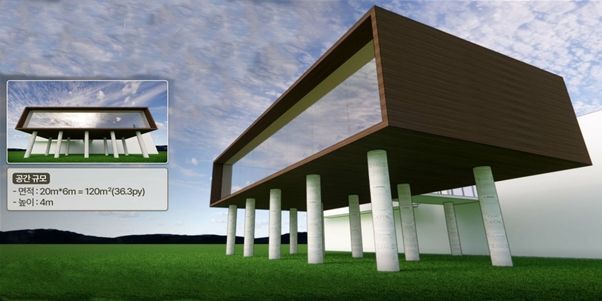
Under the vision of pursuing World Heritage inscription, the Yangju City Hoeamsa Temple Site Museum is moving forward with a phased full-scale remodeling and expansion of its exhibition facilities. The new permanent exhibition will focus on presenting the outstanding universal value and potential of the Hoeamsa Temple site through more multi-dimensional and contemporary exhibition techniques.
In particular, the exhibition space will be expanded so that visitors can vividly experience the spatial and historical significance of the heritage, even indoors. The goal is to provide an experience that goes beyond "seeing" to "immersing" in the heritage. This marks the museum’s transition into a comprehensive cultural space balancing scholarly depth and public appeal. The project will be carried out in stages with completion targeted for 2031.
14 Excavations: Breathing Life into Artifacts
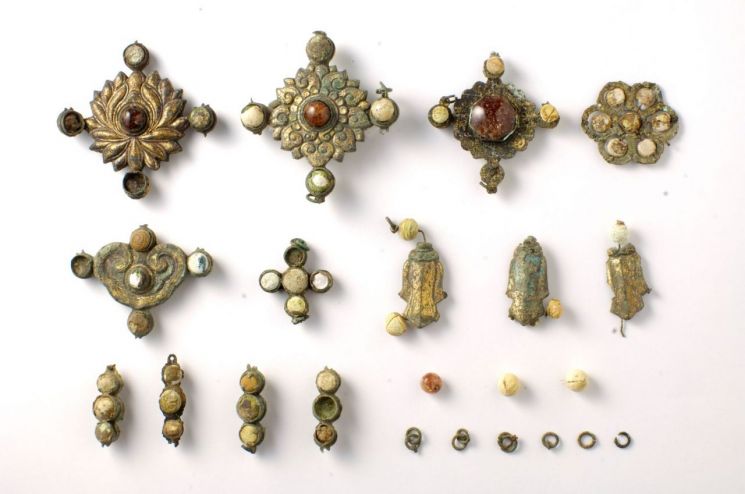
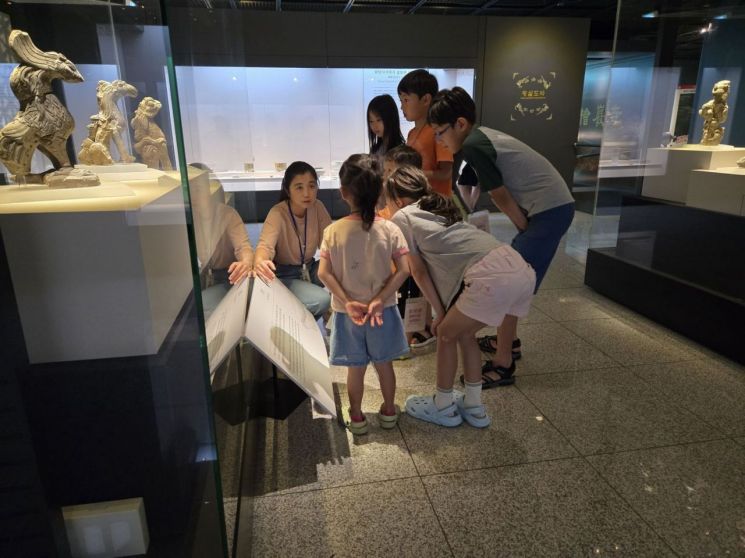
In October 2024, the Hoeamsa Temple Site Museum signed a business agreement with the National Institute of Cultural Heritage under the National Heritage Administration, officially launching joint interdisciplinary research for scientific analysis and interpretation of artifacts excavated from the Hoeamsa Temple site.
Although 14 excavations have uncovered major artifacts such as Yeongrak Decorations, clay Buddhist statues, and blue roof tiles, in-depth research and analysis have been insufficient. Through this joint research, the institutions plan to comprehensively reveal the manufacturing techniques and historical context of these relics. Their joint research outcomes will be released at an academic conference and special exhibition in the second half of 2026.
The value of the Hoeamsa Temple site is coming into clearer focus through scientific analysis and academic interpretation.
Sharing Academic Achievements with the World: Hoeamsa on the International Stage
In July, the 48th session of the UNESCO World Heritage Committee, to be held in Busan, is expected to serve as an important opportunity to highlight the value of the Hoeamsa Temple site to the international community. The museum will introduce the site's historical significance and research outcomes via an on-site promotional booth, and will showcase the appeal of Hoeamsa to foreign visitors through interactive content.
In particular, two English-language materials reorganizing the content of over 20 types of special exhibition catalogs and 13 research monographs will be produced and published, delivering the accumulated achievements in "the language of the world." This signifies the process of transforming local cultural heritage into a shared legacy of humanity.
A Museum that Embraces Through Culture: Bridging Generations and Communities
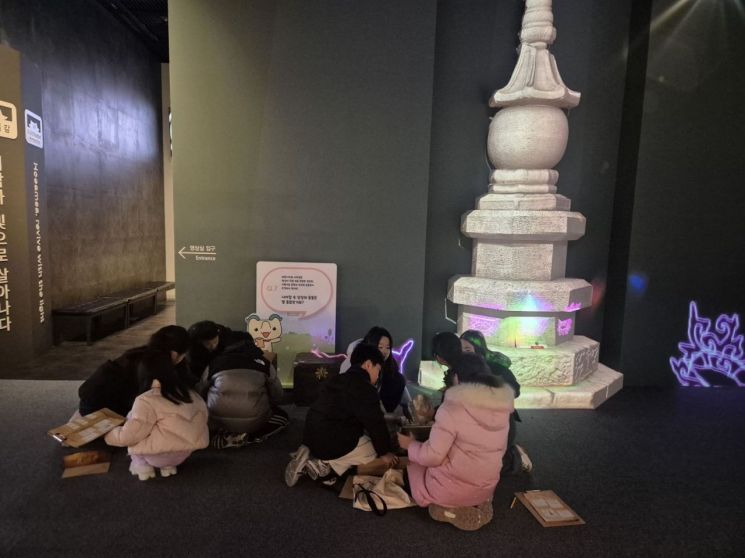
In 2026, the museum aims to become "a museum that embraces through culture," unveiling intergenerational educational programs.
By continuously offering cultural education for seniors, including those with dementia, the museum will create opportunities for memories and stories to come alive. At the same time, family-oriented hands-on programs-such as the "One-Day Museum Camp" and "Hoeamsa Stories with Grandparents"-will be expanded, enabling participation across generations.
Additionally, the "Traveling Museum" will directly visit schools, delivering local history and culture to children in an engaging and accessible way.
Seasonal programs themed around the Hwage and Seon Buddhist culture, unique features of the Hoeamsa Temple site, will also be newly introduced. The museum is now moving beyond the concept of a quiet exhibition space, evolving into a living cultural healing space, breathing alongside the local community and bringing learning and experience to life.
Paving the Way for Sustainable Cultural Heritage: Designing the Future
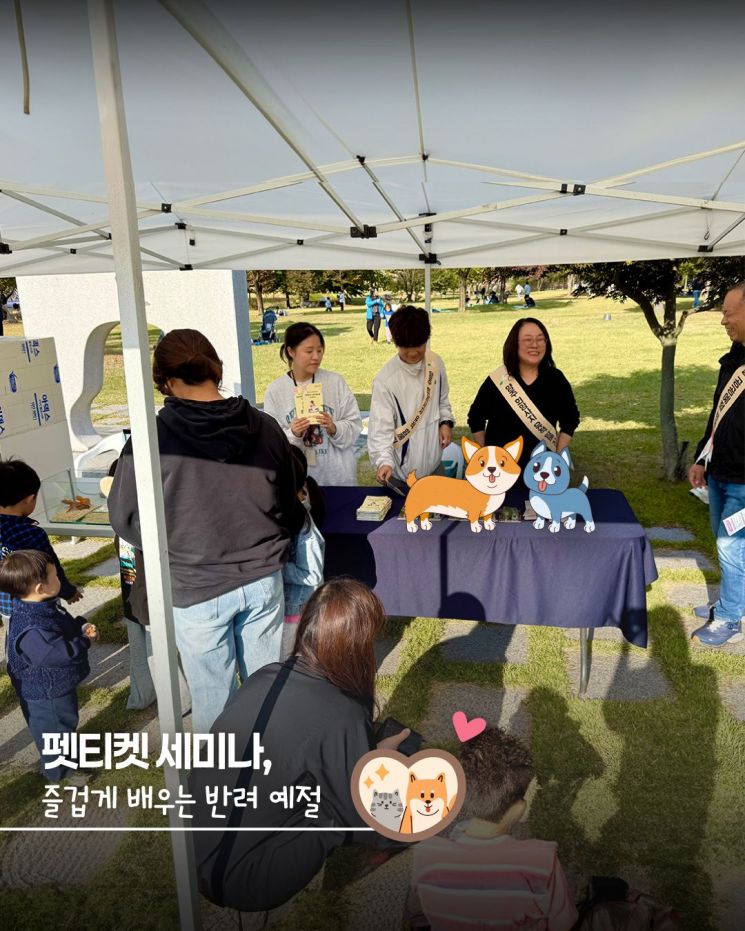
Recently, as more visitors bring pets to the Hoeamsa Temple site protected area, concerns have been raised regarding environmental and hygiene issues. Instead of imposing a blanket restriction on entry, the museum has shifted its policy to encourage self-regulated public etiquette for pets-known as "petiquette"-by focusing on voluntary practice.
By expanding guidance facilities, conducting on-site campaigns, and promoting the culture of practicing "petiquette" through social networks, the museum’s website, and local online communities, the museum is seeking a balance between heritage protection and public accessibility. This is an attempt to establish a sustainable cultural heritage management model based on participation and practice. A philosophy of coexistence is shaping the future of the Hoeamsa Temple site.
The Living Timeline of Hoeamsa
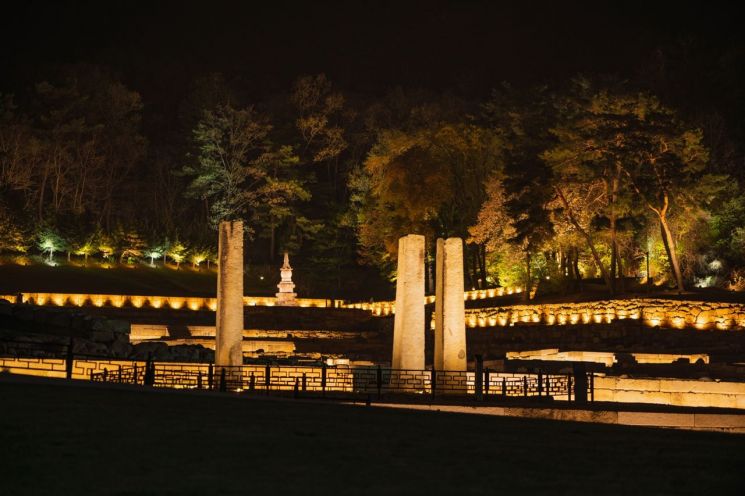
Attracting 300,000 visitors annually, the Hoeamsa Temple site and its museum have now become premier cultural and tourism destinations in northern Gyeonggi Province. During the day, exhibitions and experiences await, while at night, the illuminated grounds provide a beautiful space for evening strolls, always welcoming visitors.
A museum official stated, "Based on our past achievements, we will continue to take on the new challenge of World Heritage inscription," adding, "We are committed to developing as a cultural hub museum that transmits the 631-year history of Hoeamsa to future generations and to the world."
© The Asia Business Daily(www.asiae.co.kr). All rights reserved.