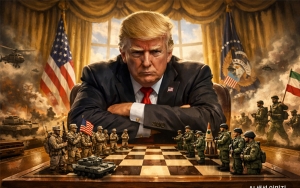
Calculated War of Attrition by Iran
Only a Few Days' Worth of Interceptor Missiles Left
Victory Hinges on 'Sustainability'
Six Trillion Dollar Lessons from Iraq and Afghanistan
Prolonged Conflict Means Mounting US Burden
The military conflict between Iran, the United States, and Israel is unfolding as a classic example of an 'asymmetric war of attrition', where inexpensive drones face off against high-cost interceptor missiles. As this structure-using low-cost weapons to pressure expensive defense systems-becomes entrenched, some analysts point out that the outcome of the war will depend less on sheer military strength and more on 'sustainability'.
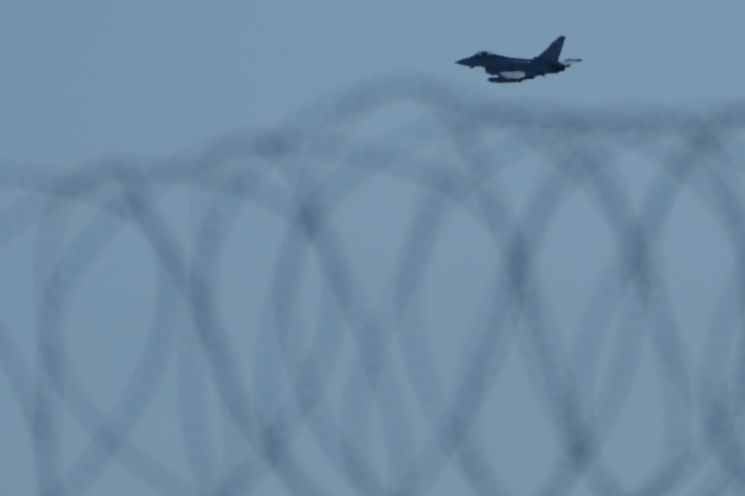 It has been reported that if the current usage rate is maintained, Qatar's stockpile of Patriot interceptor missiles will only last for four days. There is also speculation that the United States may not have pre-positioned sufficient ammunition in the Middle East. Photo by AP Yonhap News
On March 3, Yonhap News, citing Bloomberg and other outlets, reported that Iran's low-cost suicide drone attacks are rapidly depleting the high-cost air defense inventories of the United States and its Gulf allies. According to foreign media reports, Iranian-made suicide drones, such as the Shahed-136, as well as small cruise missiles, have been striking U.S. military bases and oil facilities throughout the Middle East on a daily basis.
Each of these drones is estimated to cost around $20,000 (approximately 29.3 million won). In contrast, a single U.S.-made Patriot PAC-3 interceptor missile costs around $4 million (about 5.8 billion won). While the interception success rate is said to exceed 90%, this results in an extreme economic imbalance. Cheap offensive measures are causing a structural dilemma, as they quickly exhaust the core resources of the defense side.
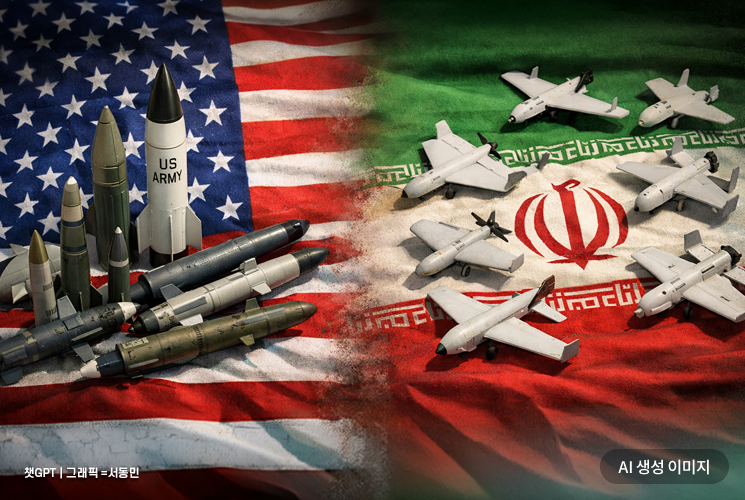
Missile Reserves Last Only Four Days? The Cost of American Wars
According to Bloomberg, if the current rate of use continues, Qatar's stockpile of Patriot interceptor missiles will last only four days. It is also suggested that the United States may not have pre-positioned enough ammunition in the Middle East. In particular, Lockheed Martin, which manufactures the Patriot system, produced about 600 PAC-3 missiles last year.
However, since the outbreak of the current conflict, it is estimated that thousands of interceptor missiles have been launched in the Middle East. With the difficulty of dramatically ramping up production in a short period, concerns over depleted inventories are a pressing issue. Pete Hegseth, the United States Secretary of Defense, stated, "It will not become an endless war," but if the war of attrition drags on, political burdens will be inevitable.
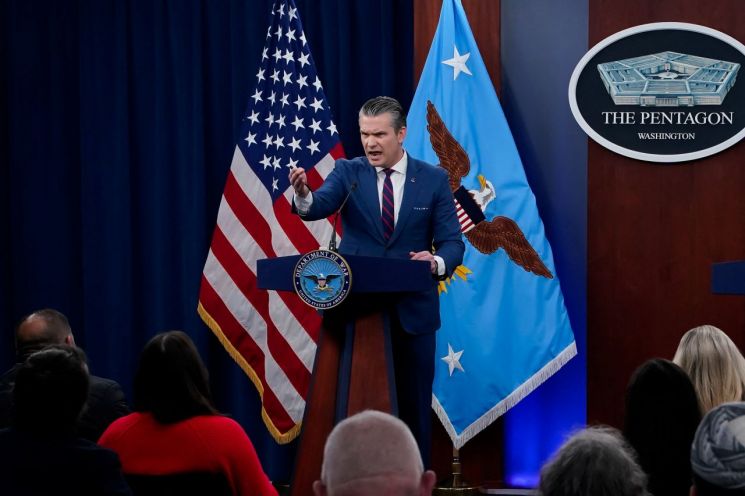 U.S. Secretary of Defense Pete Hegseth drew a line by stating, "It will not be an endless war." Photo by Reuters Yonhap News
The cost of past U.S. wars has been astronomical. The Iraq War, which lasted from 2003 to 2011, cost over $2 trillion, while the war in Afghanistan, which spanned about 20 years, cost $2.3 trillion. The combined direct and indirect costs of both wars, including veterans' compensation and interest, are estimated to exceed $6 trillion. Although the current Middle East conflict is still in its early stages, if the use of expensive interceptor missiles and aerial operations continues, there are concerns that costs could reach tens or even hundreds of billions of dollars in a short period.
According to the Congressional Budget Office (CBO), operating a single Patriot battery costs several billion dollars per year. When factoring in the costs of deploying carrier strike groups, strategic bombers, and precision-guided munitions, the burden could snowball. Ankit Panda, a senior fellow at the Carnegie Endowment for International Peace, commented, "Iran's missile and drone stockpiles will eventually diminish, but unless the regime itself collapses, it can withstand a prolonged war of attrition."
"Whoever Holds Out Longer Wins"
It is estimated that Iran possessed approximately 2,000 ballistic missiles during the '12-Day War' with Israel last year, and it is now suggested that they may have stockpiled even more drones. Meanwhile, domestic opposition to the war within the United States is emerging as another variable. Not only is there anti-war sentiment within the opposition Democratic Party, but fatigue over overseas military interventions is also growing among the 'America First' isolationist supporters.
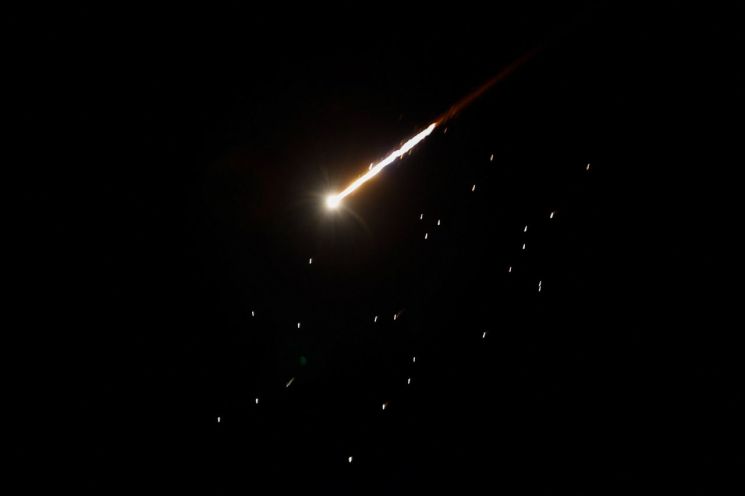 It is estimated that Iran possessed about 2,000 ballistic missiles during the '12-Day War' with Israel last year, and it is now suggested that they may have stockpiled even more drones. Photo by Reuters Yonhap News
If the war drags on, political conflict over increased defense spending and additional troop deployments will be unavoidable. There is a possibility that the 'war fatigue' seen during the Iraq and Afghanistan wars could be repeated. Ultimately, this conflict is more likely to become a test of how long each side can maintain its resources and political will, rather than a short-term large-scale bombing campaign. The outcome will depend on whether Iran's arsenal is depleted first, or whether the United States opts for a strategic withdrawal under the weight of mounting costs and public pressure.
© The Asia Business Daily(www.asiae.co.kr). All rights reserved.