Up to 2.2 Percentage Points Preferential Interest Rates for SMEs
Establishment of Headquarters “Response Desk”
The Export-Import Bank of Korea announced on March 3 that it had held an "Emergency Response Meeting on the Middle East Situation" on March 2 to assess the impact of escalating geopolitical crises originating from the Middle East on domestic and international financial markets, and to discuss support measures for affected companies. The meeting was attended by KEXIM executives, relevant department heads, and local staff stationed in the Middle East via teleconference.
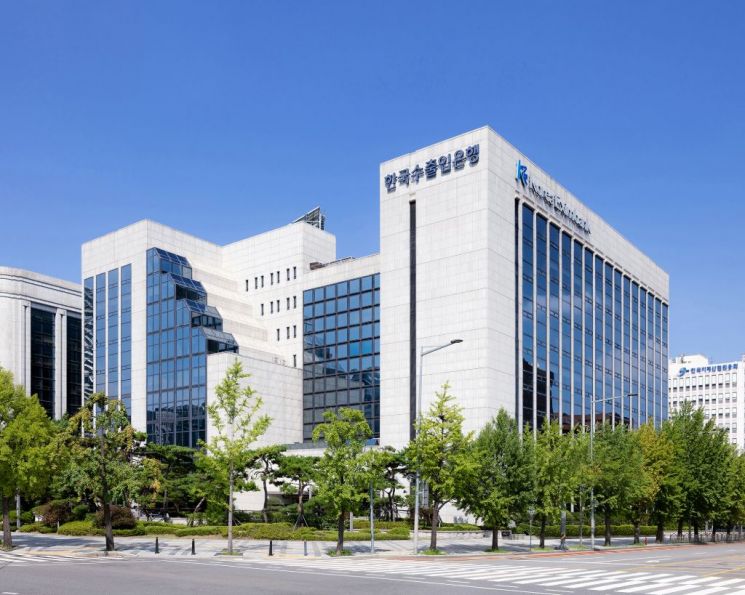
During the meeting, KEXIM reviewed real-economy shock scenarios such as potential logistics disruptions and sharp increases in energy prices due to the possibility of Iran blocking the Strait of Hormuz. The bank also discussed preemptive response measures to address heightened financial market volatility, including the rise of the offshore won-dollar exchange rate.
KEXIM decided to implement the following: activation of a "Special Crisis Response Program," strengthening foreign currency liquidity supply, supporting supply chain stabilization including crude oil procurement, and establishing enhanced safety measures for employees in the Middle East. Should the situation worsen, KEXIM will transition to a 24-hour response system. As an immediate step, the "Special Crisis Response Program" will be fully launched to support companies suffering direct or indirect damage due to the Middle East situation. For small and medium-sized enterprises, as well as mid-sized companies, KEXIM will offer preferential interest rates up to 2.2 percentage points, aiming to provide KRW 7 trillion in financing this year, and a total of KRW 40 trillion over the next five years.
KEXIM will also prepare measures to diversify crude oil import sources in case prolonged instability in the Middle East leads to delays in crude oil and gas imports. The bank is considering utilizing the "Supply Chain Stabilization Fund" to support crude oil purchase financing. Foreign currency liquidity management will be further strengthened to prepare for tightening financial markets. KEXIM stated that, should demand for foreign currency surge, it will serve as a "safety net" by fully deploying available instruments such as mid- to long-term private placements and short-term commercial papers (CP), ensuring ample liquidity in the market.
Safety measures for staff stationed in the Middle East will also be reinforced, including immediate transition to remote work. If necessary, staff may be relocated to a third country or repatriated. KEXIM will establish a "Middle East Situation Response Desk" at its headquarters to closely monitor regional developments and project status in Iran, the United Arab Emirates (UAE), Saudi Arabia, and other areas, and will switch to a 24-hour system should the situation deteriorate.
KEXIM plans to hold countermeasure meetings as needed until the situation in the Middle East stabilizes, and will closely monitor exchange rate and liquidity trends immediately after the opening of the financial markets on March 3, implementing support measures swiftly if necessary. A KEXIM representative stated, "We will promptly implement the crisis response program and proactively support vulnerable sectors to minimize damage to Korean companies," adding, "We will strengthen policy cooperation with the Ministry of Economy and Finance and other relevant government agencies and organizations."
© The Asia Business Daily(www.asiae.co.kr). All rights reserved.