Large Amounts of Deadly Bacteria Detected on Everyday Items
Risk of Lung and Urinary Tract Infections From Regular Use
Replacement Frequency and Storage Habits Are Key to Health
A recent study has found that everyday items used for cleanliness, such as sponges, toothbrushes, and hairbrushes, can actually become breeding grounds for deadly bacteria like E. coli, Salmonella, and Staphylococcus aureus.

The British daily newspaper The Independent recently reported, citing multiple studies, that deadly bacteria inhabit household sponges, toothbrushes, and hairbrushes commonly used in homes. According to analyses by research teams from the University of Manchester in the UK, India, and American dermatology experts, a large number of pathogenic microorganisms were detected in daily necessities that consumers use every day.
50 Billion Types of Bacteria Found on Everyday Sponges
Kitchen sponges are considered one of the highest-risk items. Some studies have shown that more than 50 billion types of bacteria can inhabit a small sponge measuring around 10 centimeters by 15 centimeters. This is because synthetic sponge material retains moisture for a long time, providing an optimal environment for microorganisms to thrive.
Pathogens found on sponges include not only E. coli, Salmonella, and Staphylococcus aureus, but also foodborne bacteria such as Klebsiella pneumoniae, which can cause lung and urinary tract infections. It has also been reported that some bacteria can survive on the surface of a sponge for up to 16 days.
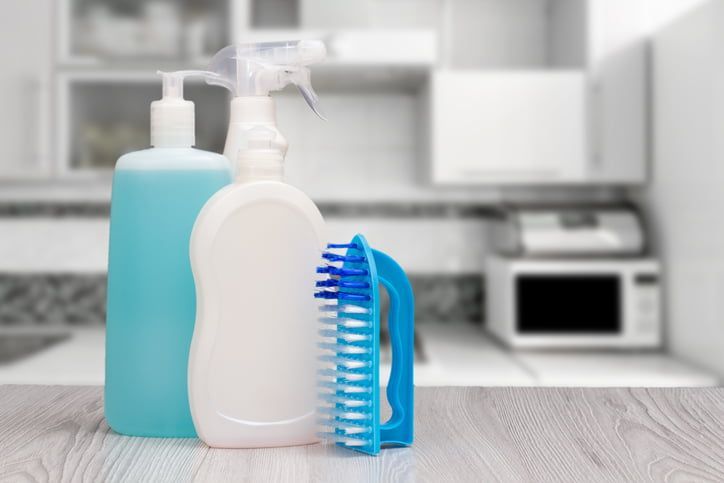
The Academy of Nutrition and Dietetics in the United States recommends replacing sponges every one to two weeks. If a sponge starts to emit an unpleasant odor, it is a clear sign that bacteria have already proliferated significantly. If immediate replacement is not possible, effective ways to reduce bacteria include microwaving a damp sponge for one to two minutes or using a high-temperature dishwasher cycle. Soaking the sponge for about a minute in a diluted chlorine bleach solution is also recommended.
Are Toothbrushes Dirtier Than Toilets?
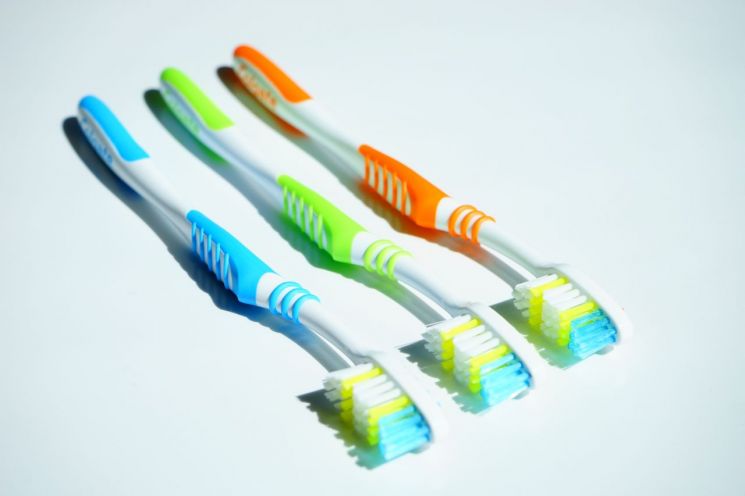
Toothbrushes are also not exempt from concern. According to a University of Manchester study, a single toothbrush can harbor more than 10 million bacteria and fungi. Some analyses suggest this level is even higher than that found on toilet seats or public restroom floors.
A 2015 study by Indian researchers found that about 70% of toothbrushes in use were contaminated with pathogenic microorganisms. The toothbrush’s vulnerability is closely linked to its storage environment. If stored near the toilet, droplets generated when flushing can reach the toothbrush.
Experts explain that simply closing the toilet lid before flushing can significantly reduce contamination. Additionally, toothbrushes should be stored upright in a well-ventilated place after use, and using a dedicated sterilizer or disinfecting with 3% hydrogen peroxide can also be helpful. It is advisable to replace toothbrushes every three to four months at most.
Hairbrushes: The Overlooked Area for Scalp Health
Hairbrushes accumulate not only bacteria and viruses, but also dead skin cells, sebum, and broken hair. The scalp provides a warm and humid environment, which is ideal for the proliferation of bacteria and fungi.
Dr. Purvisha Patel, an American dermatologist, has warned that Staphylococcus aureus can be transmitted from person to person via hairbrushes and may cause pustules or boils on the scalp. She explained that repeatedly using a contaminated brush can transfer sebum back to the hair, leading to a vicious cycle of dandruff and excessive oiliness.
Experts recommend cleaning hairbrushes every two weeks. After removing tangled hair, you should wash the brush in warm water with dish soap or a mild shampoo. Even the simple habit of removing hair immediately after use can slow down the accumulation of bacteria.
© The Asia Business Daily(www.asiae.co.kr). All rights reserved.