Inevitable Impact on Korean SMEs Exporting to the Middle East
Disruptions in Trade and Delays in Logistics Expected
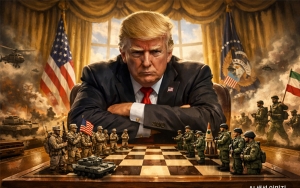
Due to the U.S.-Israel airstrike on Iran, more than 14,000 domestic small and medium-sized enterprises (SMEs) exporting to the Middle East are now subject to direct and indirect impacts. In the immediate term, issues such as soaring logistics costs and disruptions in exports and imports may arise. If the situation is prolonged, rising raw material prices are expected to affect the entire SME sector. The Ministry of SMEs and Startups has launched a “Task Force for Responding to Damages to SMEs and Startups Related to the Middle East Situation” to address these issues.
According to the Ministry of SMEs and Startups on March 3, as of last year, a total of 13,956 SMEs exported to the Middle East, accounting for 14.2% of all exporting SMEs. Among them, 2,115 companies exported to Israel and 511 to Iran. For the 2,600 SMEs exporting to Israel and Iran, severe direct impacts are considered unavoidable. In addition, with military conflict showing signs of spreading across the Middle East, concerns are mounting among SMEs exporting to the region. Last year, SME exports to the Middle East amounted to USD 6.45 billion, representing 5.4% of total SME exports.
![[US-Iran War] Around 14,000 Exporting SMEs "Shaken"](https://cphoto.asiae.co.kr/listimglink/1/2026030310203259052_1772500832.jpg)
Immediately, the surge in logistics costs is expected to hit exporting SMEs. This is why the government has raised the international shipping cost limit for export vouchers to 60 million won and is discussing the provision of alternative logistics services for SMEs with logistics companies. As export disruptions occur, an increasing number of companies could face difficulties such as funding shortages. Given the high uncertainty regarding local developments, issues such as non-collection of payments, contract delivery delays or suspensions, and contract cancellations may also arise.
If the situation is prolonged, surging oil prices and rising raw material costs are likely to put additional pressure on SMEs. When the Russia-Ukraine war broke out in the past, the increase in raw material prices directly added to the management burden for SMEs. At that time, a survey by the Korea Federation of SMEs found that 62.6% of SMEs cited “rising raw material prices” as their main management challenge.
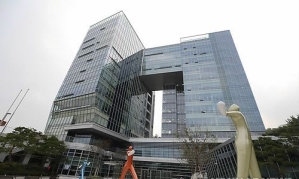
Starting today, the Ministry of SMEs and Startups, together with relevant associations and organizations, SME export and financial support agencies, regional SME offices, and export support centers, has decided to operate the “Task Force for Responding to Damages to SMEs and Startups Related to the Middle East Situation” in order to monitor the status of export damages, as well as to assess the expected impact by item and by region. Noh Yongseok, First Vice Minister of the Ministry of SMEs and Startups, said, “We will closely monitor developments related to the Middle East situation, keep track of export damages to SMEs, and focus on tailored response measures.”
© The Asia Business Daily(www.asiae.co.kr). All rights reserved.