A 4.41% Increase of 73.5 Billion Won Compared to 2025
Active Investment in Vitalizing Livelihoods, Leading the Future as an Economic City, and Secure Welfare
Responsive, Citizen-Focused Budget Reflecting Voices Through Initiatives Like the Mobile Mayor’s Office
On November 18, Wonju City in Gangwon Province submitted its 2026 budget proposal to the city council, totaling 1.7412 trillion won, an increase of 73.5 billion won compared to the 2025 main budget. The proposed budget consists of 1.5289 trillion won in the general account and 212.3 billion won in the special account.
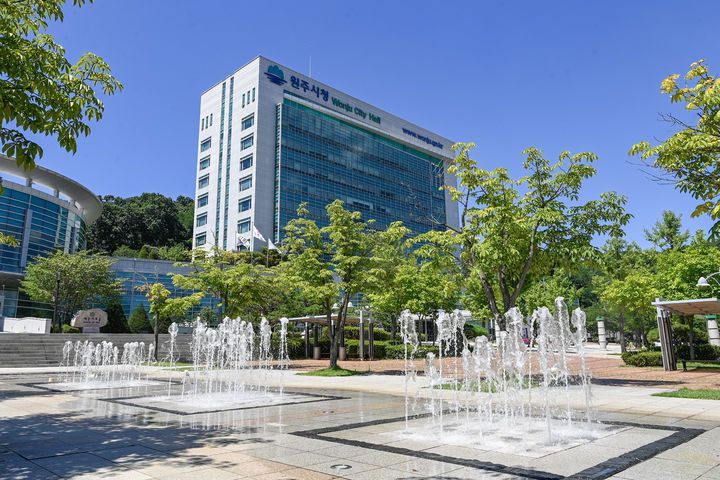
In response to the growing emphasis on the proactive role of local finances in economic recovery and growth, the city has set "Vitalizing Livelihoods, Leading the Future as an Economic City, and Ensuring Secure Welfare" as its core tasks. The city has focused on strategic fiscal management through selection and concentration, and on establishing a citizen-centered virtuous fiscal cycle.
To this end, the city re-examined the effectiveness and feasibility of all projects for execution within the year, excluding non-essential projects, and implemented sunset and reduction measures through evaluations of subsidized projects. For facility projects, the city prioritized key pending issues rather than indiscriminate implementation.
Key revenue sources for the general account include 210 billion won in local taxes, 67.2 billion won in non-tax revenue, 484.2 billion won in local allocation tax, 48 billion won in adjustment grants, 694.3 billion won in national and provincial subsidies, and 25 billion won in net surplus funds.
As a result of on-the-ground administrative efforts to secure national funding by visiting central government ministries and the National Assembly, the city achieved a record-high national subsidy of approximately 580 billion won, an increase of 48 billion won compared to the 2025 main budget.
The city plans to actively respond to future strategic industries such as AI and semiconductors in order to lead the technology-driven economy, which is a key investment direction of the central government. Additionally, 49% of the general account will be allocated to welfare, establishing a comprehensive welfare network that covers all generations, including socially vulnerable groups, to make Wonju a city where everyone can be happy.
In particular, the city implemented a responsive administrative approach by actively allocating funds to more than 50 citizen-focused budget items, addressing inconveniences and suggestions raised in the field through initiatives such as the Mobile Mayor’s Office and annual district visits, thereby reflecting the voices of citizens in the budget.
Major projects by key sector include the following for "Further Activating the Growing Economic City": 1.9 billion won to support small business management stability, 2.5 billion won for the issuance of Wonju Love Gift Certificates, 1.6 billion won for the construction of a public parking lot in the Culture Street area, 3.4 billion won for interest subsidies for SME development funds, 600 million won to strengthen export competitiveness, 1 billion won for the Wonju Dumpling Festival, 850 million won for Job Security Mutual Aid, 300 million won for the Youth Fourfold Savings Account, and 300 million won for discount coupons for traditional markets linked to tourist attractions.
For "Investing in Future Value Ahead of the Curve," the budget includes 5.4 billion won for the creation of a Green Startup Town, 5.4 billion won to support relocated companies, 5.1 billion won for the establishment of the Korea Semiconductor Education Center, 4.7 billion won for the Semiconductor Consumables Demonstration Center, 2.2 billion won for the Future Mobility Electronic Components System Semiconductor Reliability Verification Center, 1.5 billion won for the Future Clean Industry Challenge Center, 2.4 billion won to lead innovation in digital twin convergence medical care, 900 million won to build a platform supporting the global expansion of the K-Medical industry, 600 million won to establish an AI-based Age-Tech digital medical industry, 800 million won to advance future vehicle parts based on bio-twin technology, and 1.7 billion won for the construction of an eco-friendly digital healthcare industry support center.
For "Building a More Comprehensive Social Welfare Network," the budget includes 8.1 billion won for the Dream Fulfillment Voucher, 8.3 billion won for veterans’ honor allowances, 163.3 billion won for basic pensions, 71.9 billion won for livelihood benefits, 44.4 billion won for infant and toddler care subsidies, 26.6 billion won for child allowances, 37 billion won for senior employment support, 2 billion won for the construction of the Mushil Senior Welfare Center, and 26.6 billion won for disability activity support benefits.
For "Ensuring Greater Citizen Safety," the budget allocates 1.5 billion won for the relocation and construction of the Sillim 119 Safety Center, 2.6 billion won for road snow removal, 4 billion won for disaster prevention at Heungyang Stream, 2.4 billion won for national river maintenance, 1.1 billion won for improving the Mujang natural disaster risk zone, 800 million won for emergency medical support for children's hospitals and pediatric/adolescent care, 6.6 billion won for national immunization, and 1.7 billion won for improving child protection zones.
For "Enhancing Culture and Tourism," the budget includes 3 billion won for integrated cultural voucher support, 2.5 billion won for the construction of the Children’s Art Center, 4.9 billion won for the construction of the Wonju City Art Museum, 5.3 billion won for the construction of the Guryongsa Meditation Center, 1.2 billion won for the Wonju Dancing Carnival, 2.5 billion won for the Geumbit Ttwari Cave project, 700 million won for the operation of the Children’s Complex Experience Center, 1 billion won for the construction of a wooden playground, 2.2 billion won for the construction of the Bukwon Library, 240 million won for the construction of a dog playground, 200 million won for the Hangudong Millennium Tree Theme Park, and 170 million won for the Wonju National Band Festival.
For "Building a Better Living Infrastructure," the budget includes 18 billion won for the expansion of the western regional arterial road network, 7.6 billion won for the construction of the Eastern Ring Road, 2 billion won for the construction of the Gwanseoldong Hi-Pass IC connecting road, 3 billion won for the Munmak Apteul urban development project, 1.5 billion won for the construction of the Sinpyeong Agro-Industrial Complex, 100 million won for the construction of school complex facilities, 8 billion won for the reconstruction of the Munmak Bridge, 900 million won for the expansion of the Wonju Stream Renaissance bicycle path, 1 billion won for the replacement of artificial turf at Sangji University’s soccer field, 2.5 billion won for the construction of community sports facilities in Hojomyeon, 2.8 billion won for the construction of a memorial park columbarium, 800 million won for the development of the Bangok Neighborhood Park, 4.05 billion won for the construction of the Baegunsan Rural Theme Park, 6 billion won for the construction of a public truck parking lot, 1.4 billion won for the construction of a public parking lot in the Namwonju Station area, and 900 million won for the construction of a public parking tower in Ilsandong.
Won Kangsoo, Mayor of Wonju, stated, "For the 2026 budget proposal, we carefully considered every figure to ensure both the stability of livelihoods today and a leap toward the future tomorrow, even under challenging fiscal conditions. We have prioritized the vivid voices and suggestions of citizens heard in towns and districts in the budget, so citizens will be able to feel the changes in municipal administration firsthand."
He added, "In line with the government's national policy direction, investment in future strategic industries such as AI and semiconductors is not an option but a necessity for Wonju to become a regional growth hub. Thanks to our proactive response since the start of the 8th popularly elected administration, we expect even greater results next year."
He concluded, "Revitalizing livelihoods protects the present of our citizens, while investment in the future opens up new opportunities for tomorrow. With unwavering fiscal management, we will drive recovery and growth to make Wonju a city where everyone can be happy."
This 2026 budget proposal will undergo review by each standing committee and the Budget and Accounts Committee of the Wonju City Council, with final approval scheduled for December 19.
© The Asia Business Daily(www.asiae.co.kr). All rights reserved.