Government Considers Reassigning All Chief Prosecutors Who Issued Statement
"Possible Under the Prosecutors’ Office Act"
Investigation for Violation of National Public Service Act and Official Duty Inspection Also Under Discussion
It has been confirmed that the government is considering reassigning the chief prosecutors who collectively issued a statement in protest following the prosecution’s decision to forgo an appeal in the Daejang-dong case, transferring them to positions as regular prosecutors.
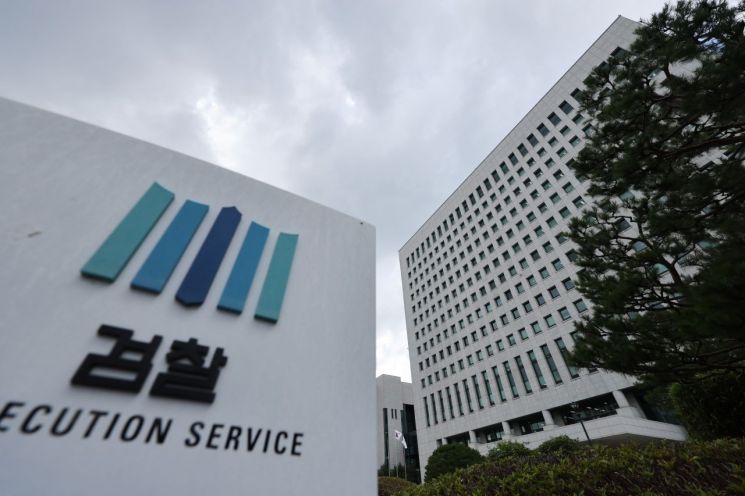
On November 16, a presidential office official told The Asia Business Daily, "The government is considering reassigning all chief prosecutors who engaged in collective action regarding the decision to forgo the Daejang-dong appeal." The official added, "I understand that three options are under review." In addition to reassignment as regular prosecutors, the three options include an investigation for violation of the National Public Service Act and an official duty inspection.
Previously, on November 10, eighteen chief prosecutors from district prosecutors’ offices nationwide posted a statement on the prosecution’s internal network, ‘Epros,’ requesting additional clarification regarding the prosecution’s decision to forgo an appeal in the Daejang-dong development allegations. In their statement, the chief prosecutors said, "The explanation provided by Norman Seok, who was then acting as Prosecutor General, did not include any specific background or legal rationale for the decision to forgo the appeal, making it difficult to accept." They continued, "We once again request a detailed explanation of the circumstances and legal grounds that led to the order to forgo the appeal."
It is reported that the government is currently prioritizing the option of immediately reassigning the chief prosecutors involved to regular prosecutor positions. Since ‘chief prosecutor’ is a position rather than a rank, this measure is not technically considered disciplinary action; however, as it effectively strips them of their supervisory authority, it is widely viewed as a de facto demotion. There have been several instances under previous administrations where problematic chief prosecutors were reassigned as regular prosecutors.
On November 14, Kim Hyunjung, spokesperson for the Democratic Party of Korea, urged Justice Minister Jeong Seongho to "immediately launch an inspection and proceed with the removal from post and reassignment of the chief prosecutors who defied orders in this case," adding, "Since ‘chief prosecutor’ is a position, not a rank, current law allows for removal from the post." Article 6 of the Prosecutors’ Office Act distinguishes only between the Prosecutor General and prosecutors in terms of rank.
In addition to reassignment, the government is also considering launching an investigation or official duty inspection in accordance with Article 66 of the National Public Service Act (Prohibition of Collective Action). Currently, a complaint against the eighteen chief prosecutors has been filed with the Corruption Investigation Office for High-ranking Officials, and depending on the results of the official duty inspection, disciplinary procedures may follow.
© The Asia Business Daily(www.asiae.co.kr). All rights reserved.