Seven Dead in Jamaica and Other Caribbean Island Nations
A recent study has found that the formation of Hurricane Melissa, the extremely powerful storm that swept through the Caribbean last month, was also driven by extreme climate change.
According to a report by Yonhap News on November 7, citing the BBC, Hurricane Melissa reached Category 4 status on the 26th of last month and rapidly intensified to Category 5 the following day. Category 5 is the highest level on the Saffir-Simpson scale, which classifies hurricanes into five categories based on wind speed and expected damage. On the 28th, when the powerful Hurricane Melissa made landfall in Jamaica, the entire country was devastated.
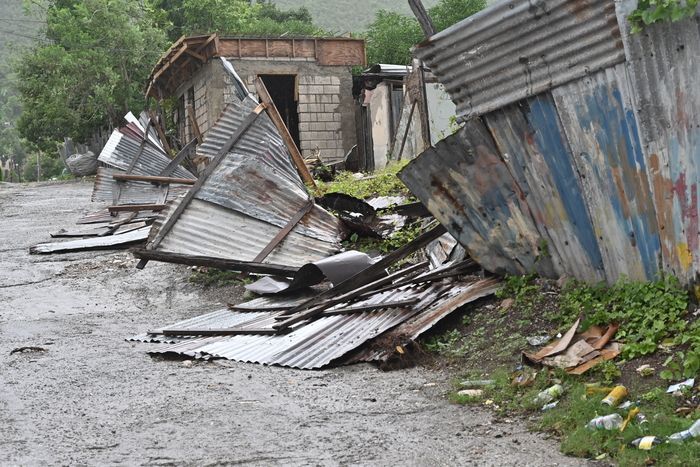
According to the multinational climate research group World Weather Attribution (WWA), Hurricane Melissa was able to become an extremely powerful hurricane in such a short period because extreme climate change created weather conditions favorable for hurricane formation.
WWA stated, "We found that due to climate change, the likelihood of extreme conditions like those that led to Melissa’s formation last month has increased by about six times." Meteorologists had previously noted that sea temperatures in the Caribbean were 1.5 degrees Celsius higher than average before Melissa made landfall, making it possible for the storm to intensify rapidly.
Deep ocean temperatures were also elevated, continuously supplying warm water to the hurricane, which played a significant role in strengthening Melissa.
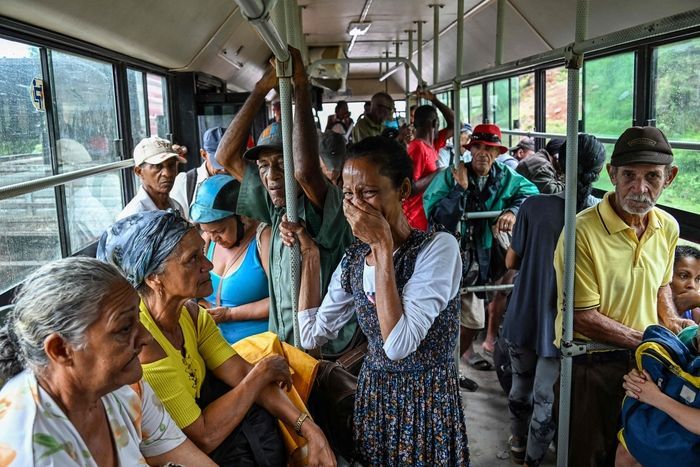
WWA also calculated that, because of climate change, rainfall increased by 16% when Melissa struck several Caribbean nations compared to what would have occurred otherwise. The organization noted that these findings are consistent with other recently published studies.
They further emphasized, "Although each study uses different methodologies and starts from different research questions, the most important conclusion is that climate change is creating conditions that are more favorable for the occurrence of powerful hurricanes like Melissa."
Typically, hurricanes weaken after moving from the ocean to land. However, Melissa maintained its intensity even after making landfall, striking the Bahamas as a Category 5 hurricane with maximum wind speeds of 298 kilometers per hour.
Meanwhile, Melissa became the most powerful typhoon in the world this year as it scaled up. Originating as a tropical storm off the coast of West Africa on the 21st, Melissa rapidly intensified as it passed through the Caribbean on the 26th, fueled by sea temperatures 1 to 2 degrees Celsius higher than average. However, its strength has since diminished to Category 3.
© The Asia Business Daily(www.asiae.co.kr). All rights reserved.