Early Operation of Smart Shade Shelters
at Crosswalks in Seocho-gu, Seongdong-gu,
and Gwanak-gu
On April 21, as Seoul's highest temperature reached 26°C and midsummer weather continued, the need for installing heat relief shelters at intersections and crosswalks without shade has become more urgent.
Districts such as Seocho-gu, Seongdong-gu, and Gwanak-gu have begun operating heat relief shelters that block strong ultraviolet rays during periods of intensified urban heat island effects, helping to ensure the safety of pedestrians, including children and the elderly.
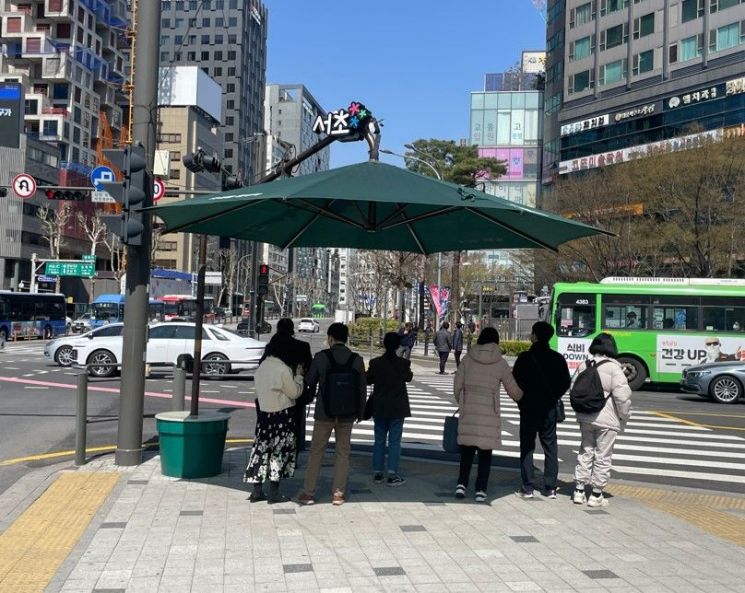
Seocho-gu (headed by Mayor Jun Sungsoo) began operating the 'Seoripul Wondumak' from April 1, providing shade from the intense summer sunlight and ultraviolet rays. The Seoripul Wondumak is a fixed, foldable shade shelter that Seocho-gu introduced in 2015, the first of its kind nationwide.
Over the past ten years, these shelters have been installed mainly in areas with high foot traffic, such as major intersections and crosswalks, and are now operating at a total of 262 locations.
The Seoripul Wondumak measures 3.5 meters in height and up to 5 meters in width, large enough to shelter about 20 adults from the sun. By protecting residents from the harsh sunlight during summer heat waves, the Seoripul Wondumak has become a model for practical, community-focused administration and has been benchmarked by other local governments and private companies. It has also become the standard for shade shelters in Korea, forming the basis for the Ministry of the Interior and Safety's guidelines on the installation and management of heatwave shelters. Seocho-gu Mayor Jun Sungsoo stated, "Marking its 10th anniversary, the Seoripul Wondumak, the standard for shade shelters in Korea, will once again protect residents from the harsh sunlight this year. As climate change causes the onset of heat to arrive earlier each year and extends the duration of heatwaves, we will continue to expand heatwave mitigation facilities to ensure residents can spend summer safely."
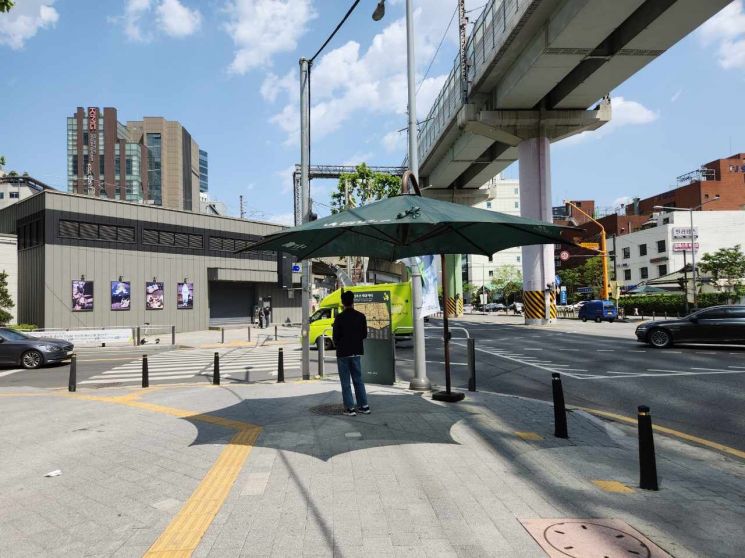
Seongdong-gu (headed by Mayor Jeong Wonoh) will also begin operating heat relief shelters starting April 21 in preparation for the heatwave.
This year, the district plans to operate a total of 167 heat relief shelters, including those in the Wangsimni Station area. The operation period will continue until November, and the district has completed pre-inspections and repairs for all shelters before full-scale operation begins.
During operation, if typhoons or strong winds are expected, the use of the shelters will be immediately suspended, and the district will continuously monitor weather changes to adjust the opening and closing times as needed, placing special emphasis on weather response and safety. In addition, the district will conduct frequent inspections and prompt maintenance during the operation period to ensure user convenience, and will actively consider residents' opinions for additional installations if necessary. Mayor Jeong Wonoh stated, "As temperatures continue to rise each year and heatwaves last longer, we are doing our utmost to install and maintain heat relief shelters. We will make every effort to ensure that residents can enjoy a safe daily life, protected from various natural disasters."
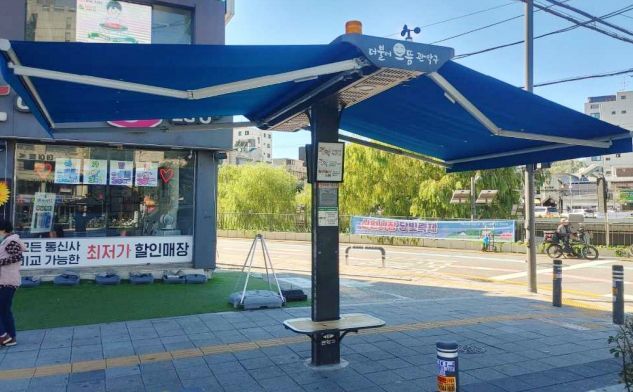
Gwanak-gu (headed by Mayor Park Junhee) will expand the installation of 'Smart Shade Shelters' to 23 locations to prevent heat-related illnesses among pedestrians.
Last year, the district installed 21 smart shade shelters near busy crosswalks, and in May, it plans to add 23 more, bringing the total number of smart shade shelters in operation to 119.
In particular, the district is focusing on minimizing heatwave damage by installing benches under the shelters, as long as they do not obstruct pedestrian movement. The district expects that people with mobility challenges, such as people with disabilities and the elderly, who wait at crosswalks in the heat, will be able to rest on the shelter benches and prevent heat-related illnesses. Mayor Park Junhee stated, "We will do our best to protect the lives and safety of residents through 'smart administration' that utilizes advanced technologies such as artificial intelligence (AI) and information and communication technology (ICT)."
An official from the Seoul Metropolitan Government commented, "As spring is gradually getting shorter, it seems that the early operation of these smart shelters is becoming more common to help citizens reduce the risks from heatwaves."
© The Asia Business Daily(www.asiae.co.kr). All rights reserved.