Rain Expected to Subside Gradually by Morning of the 14th
Meteorological Administration Warns: "Be Cautious of Facility Damage"
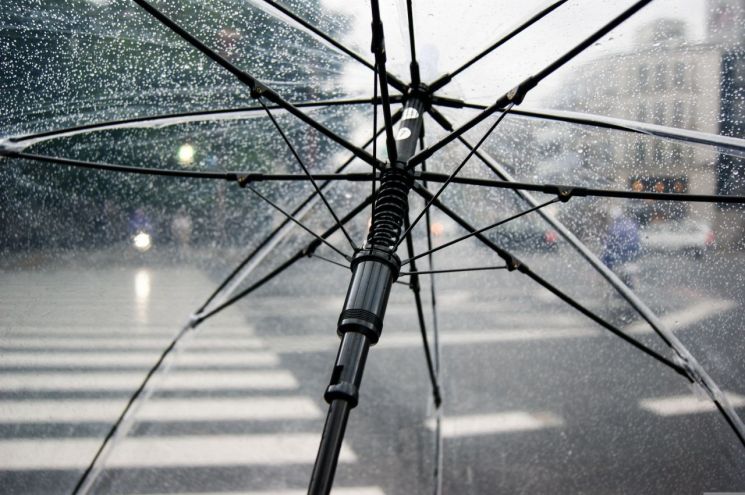 Strong winds and heavy rain hit Gwangju and Jeonnam, prompting a strong wind warning in some areas including Yeosu. The rain is expected to gradually stop by the morning of the 14th, and the Korea Meteorological Administration has urged special caution against damage to facilities. Pixabay
On Sunday the 13th, strong winds and rain are affecting the entire Gwangju and Jeonnam regions.
According to the Gwangju Regional Meteorological Administration, as of 5 a.m. on this day, a strong wind warning has been issued for four cities and counties in Jeonnam?Yeosu, Goheung, Boseong, and Wando?as well as the island areas of Heuksando and Hongdo. A strong wind advisory has been issued for all other 18 cities and counties in Jeonnam and the entire Gwangju area.
A strong wind warning is issued when the average wind speed is expected to be 21 m/s or higher, or the instantaneous wind speed is 26 m/s or higher. A strong wind advisory is issued when the average wind speed is 14 m/s or higher (17 m/s in mountainous areas) or the instantaneous wind speed is 20 m/s or higher (25 m/s in mountainous areas).
As of 5 a.m., the maximum instantaneous wind speeds recorded were 21.8 m/s at Sori-do in Yeosu, 17.7 m/s at Hatae-do in Shinan, and 16.8 m/s at Naro-do in Goheung.
Rainfall since the previous day has reached 58 mm in Boseong, 58 mm in Gwansan, Jangheung, 57.5 mm in Dolsan, Yeosu, 53 mm in Podu, Goheung, 48.5 mm in Wando, and 27.5 mm in Gwangsan, Gwangju.
Until the morning of the 13th, winds are expected to remain strong, with instantaneous speeds around 15 m/s, and the rain is expected to stop in most areas between dawn and morning on the 14th. In some eastern parts of Jeonnam, rain or snow may continue until dawn on the 15th.
So far, no damage reports have been received by the fire authorities. An official from the Meteorological Administration advised, "Please pay special attention to the management of crops and facilities, and take extra care to prevent secondary damage such as retaining wall collapses, ground subsidence at construction sites, and soil runoff in mountainous areas."
© The Asia Business Daily(www.asiae.co.kr). All rights reserved.