WSJ Survey of 73 Economists
CPI Forecast Rises from 2.3% to 2.7%
Tariff Measures Expected to Raise Q4 CPI Growth by 0.5 Percentage Points
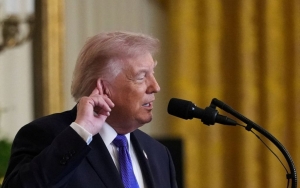
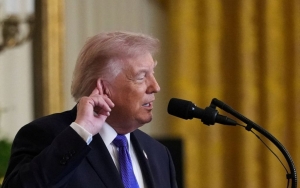
There are forecasts that President-elect Donald Trump's tariff imposition measures could fuel inflation in the United States. American economists predict that Trump's upcoming tariff policies, tax cuts, and immigration policies may trigger inflation, potentially delaying the Federal Reserve's (Fed) plans to lower interest rates.
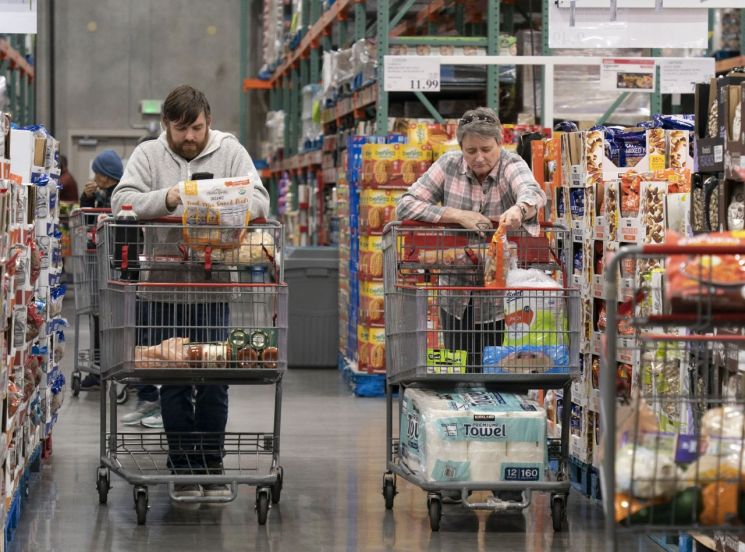
According to a survey conducted by The Wall Street Journal (WSJ) from January 10 to 14 among 73 economists, the consumer price index (CPI) growth rate is expected to reach 2.7% year-over-year by the end of December this year. This is 0.4 percentage points higher than the 2.3% CPI growth forecast made in a survey conducted in October last year.
Economists foresee that if the policies Trump promised?such as tariff increases, tax cuts, and immigration restrictions?are implemented, inflationary pressures and interest burdens are likely to increase over the next two years.
Augustin Poucher, chief economist at PNC Financial Services Group, said, "Under the Trump administration, risks related to inflation and interest rates will rise."
If price increases materialize, the cost per American household is predicted to rise by about $600. Although dissatisfaction with rising prices was a major reason Trump was able to return to the White House, the phenomenon of prices rising further after Trump's inauguration is expected to occur. Conscious of public anger over prices, Trump repeatedly promised during his campaign to lower prices through measures such as expanding oil production.
The inflation forecast for the end of next year also rose to 2.68% in January this year, up from the previous 2.3%. This is still lower than the 2.9% CPI growth rate recorded in December last year.
Regarding the level of tariff imposition, China is expected to face an average increase of 23 percentage points, while other countries are expected to see a 6 percentage point increase, resulting in an average tariff increase of 10 percentage points across all countries. These measures are anticipated to raise the CPI growth rate by 0.5 percentage points in the fourth quarter of this year.
However, economists noted that uncertainties such as the possibility of tariff exemptions or efforts to avoid taxes through restructuring supply and logistics networks could affect these forecasts.
Economic growth forecasts were also revised. The gross domestic product (GDP) growth rate for 2025 was upgraded to 2% in January this year from 1.9% in October last year. The 2026 GDP growth rate was predicted to be 2.1% in October last year but was revised downward to 2% in January this year.
Additionally, economists participating in the survey expected Trump's tariff measures to reduce the 2025 GDP growth rate by 0.2 percentage points.
Generally, imposing tariffs tends to increase the cost of major inputs, reduce disposable income, and cause retaliatory measures from trade partners, placing a burden on the economy. Furthermore, the Trump administration's immigration restrictions and deportation plans could shrink the labor supply. However, WSJ explained that the scale of tariff and immigration restriction measures remains uncertain.
On the other hand, there is also a view that some of Trump's planned policies could aid growth. WSJ noted that Trump's tax cuts could increase overall demand, and deregulation could enhance investment incentives.
© The Asia Business Daily(www.asiae.co.kr). All rights reserved.