![[Inside Chodong] How to Watch the Electric Vehicle Tariff War](https://cphoto.asiae.co.kr/listimglink/1/2023032710470067497_1679881621.jpg)
The sentiment in Europe toward Chinese electric vehicles is inevitably complex. Given the large scale of illegal subsidies and aggressive support policies behind them, there is a belief that they should not be allowed into our territory quietly. At the very least, it is argued that a tariff barrier should be maintained for the time being until Europe’s electric vehicle ecosystem can develop self-sustainability. There is also a sense of urgency not to repeat the mistakes made in the solar power industry, which is a core part of the future eco-friendly energy sector. Europe led the solar power industry until the early 2000s but later completely lost its leadership to China, which had set its sights on the market.
On the other hand, some point out that excluding China from expanding electric vehicle adoption is difficult. Carbon neutrality is an imperative task, and to achieve it, they argue that cooperation with competitive China in the electric vehicle industry is necessary. This is the so-called realism. Since the ecosystem for electric vehicle parts, including batteries, is weak, achieving carbon neutrality without China is seen as difficult. This argument is mainly put forward by established automakers operating in the huge Chinese market.
Given the difficulty in reconciling these conflicting interests, I personally expected that the European Union’s (EU) decision to impose tariffs on Chinese electric vehicles would come only after considerable turmoil. This was mentioned in a column I wrote here two months ago. At that time, the EU soon decided on high tariffs of up to 45%. Of course, this decision is not the end. The EU Commission and Chinese government officials are conducting follow-up negotiations. It is reported that China is trying to persuade Europe by agreeing not to sell Chinese electric vehicles below a certain price. Although Chinese electric vehicles are threatening, Europe, which does not want the issue to escalate into a trade dispute, seems likely to choose a compromise rather than punitive tariffs.
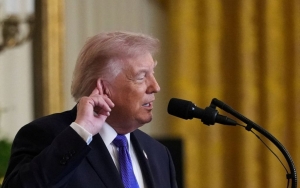
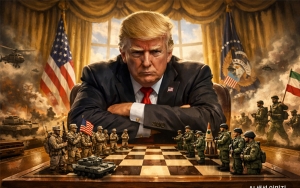
Donald Trump’s stance on containing China is more of a constant than a variable. Considering that he did not hesitate to engage in trade disputes with China during his previous term, it is highly likely that he will use various cards, including tariffs. China positions itself as a defender of free trade against the Western coalition openly emphasizing protectionism. The trade environment has changed since the early 21st century when China was incorporated into the World Trade Organization (WTO) system.
Will imposing tariffs on Chinese electric vehicles to raise barriers help the electric vehicle industries in the US and Europe develop? I think it will not be easy. Competitiveness can only be built when a certain level of industrial ecosystem is established, but at present, the gap has already widened significantly. It takes more than five or six years even to reorganize supply chains for individual models. BYD, which has emerged as the world’s largest electric vehicle company, and Chinese automaker Chery are building or have already started operating electric vehicle factories in Europe and other third countries.
On the other hand, Northvolt, once considered Europe’s largest battery maker, has gone bankrupt. Carlos Tavares, CEO of multinational automaker Stellantis, resigned before the end of his term taking responsibility for management difficulties. Volkswagen, Europe’s largest automaker, which has announced restructuring, is facing strikes across Germany. Automakers are in a position where they must worry about immediate survival. This shows how difficult the electrification transition, which requires large-scale investment with a view to the mid- to long-term future, really is.
For a company to produce products and gain market acceptance, price competitiveness is as important as technology. Leaving aside emotional factors, China is currently the first to reach this point in the electric vehicle business. Will unilateral tariffs that limit consumer choice help policymakers? The answer is pessimistic.
Choi Dae-yeol, Deputy Head of the Industrial IT Department
© The Asia Business Daily(www.asiae.co.kr). All rights reserved.