The conservative-leaning U.S. Supreme Court unanimously rejected demands to restrict access to the abortion pill 'Mifepristone.' With abortion rights emerging as a major issue in the upcoming November presidential election, attention is focused on whether this dismissal will have repercussions on other abortion-related lawsuits.
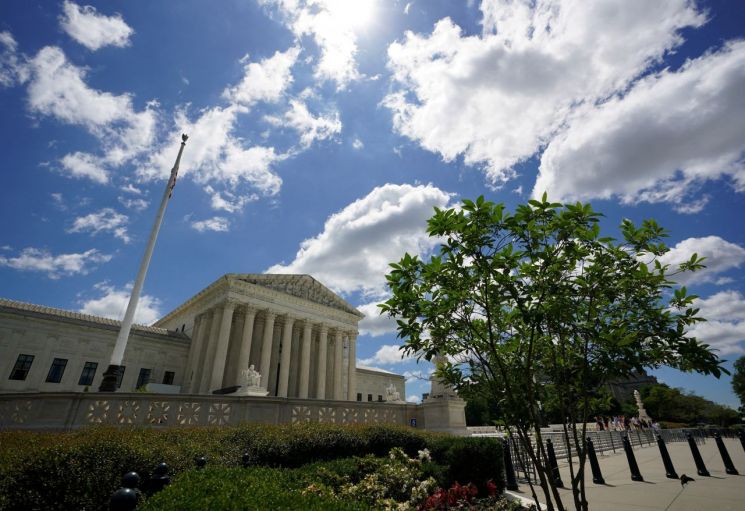
According to The New York Times (NYT) and others, on the 13th (local time), the Supreme Court dismissed the case brought by doctors and anti-abortion groups challenging the Food and Drug Administration's (FDA) decision to make Mifepristone easier to use, ruling that they lacked legal standing to sue.
Justice Brett Kavanaugh stated in the decision, "The plaintiffs neither prescribe nor use Mifepristone, nor does the FDA require anything from them," adding, "The plaintiffs' claims do not meet the criteria for legal standing." He further explained, "Concerns and objections can be raised with the President and FDA during regulatory processes, and with Congress and the President during legislative processes."
Mifepristone is an oral abortion pill approved by the FDA in 2000 and is currently the most common method, used in over half of abortions performed in the United States. Previously, the plaintiffs argued that the FDA's decision to ease regulations on Mifepristone, allowing remote prescriptions and mail delivery, threatened women's health and forced doctors who oppose abortion to act against their conscience, leading to this lawsuit.
This ruling is seen as an implicit victory for abortion rights advocates. However, since the Supreme Court dismissed the case on the grounds of 'lack of standing,' anti-abortion groups may file lawsuits again in the future. The NYT reported, "While abortion rights supporters welcomed the Supreme Court's decision, they warned the outcome could be short-lived," adding, "The Supreme Court also appears to be avoiding ruling on the substance of the case, thereby avoiding giving a clear victory to either side on abortion-related issues."
Nancy Northup, director of the Center for Reproductive Rights, an abortion advocacy group, stated in a press release, "Unfortunately, attacks on abortion pills will not stop here," and argued, "This ruling is not a victory for abortion; it merely maintains the status quo." It was pointed out that in 14 states where abortion is banned, abortion pills remain illegal.
On the other hand, Erin Holley, senior counsel at the conservative legal group Alliance Defending Freedom representing the plaintiffs, responded, "There is still work to be done." She indicated plans to file lawsuits focusing on three Republican-leaning states?Idaho, Kansas, and Missouri?stating, "We can hold the FDA accountable for endangering the health and safety of women and girls across the country in these three states."
Abortion rights have become a key issue ahead of the November presidential election. Within the United States, since the conservative-leaning Supreme Court overturned the 2022 June 'Roe v. Wade' decision that protected abortion as a constitutional right, disputes between pro- and anti-abortion camps have continued in various state legislatures and courts.
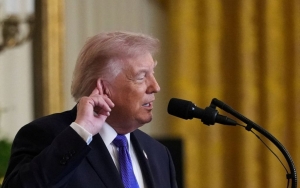
President Joe Biden, who has pledged to protect abortion rights, issued a statement following the Supreme Court's decision, pointing out, "The fact that women lost fundamental freedoms when the Court overturned Roe v. Wade two years ago remains unchanged." He also added that if former President Donald Trump wins the election, it would not be sufficient to protect access to abortion pills, and he plans to take administrative action. Former President Trump, meanwhile, has stepped back from the Republican Party's traditional anti-abortion stance, stating that he would leave the decision to each state.
© The Asia Business Daily(www.asiae.co.kr). All rights reserved.