[Asia Economy Yeongnam Reporting Headquarters Reporter Yeo Jong-gu] Sangju City in Gyeongbuk has rolled up its sleeves to revive sericulture.
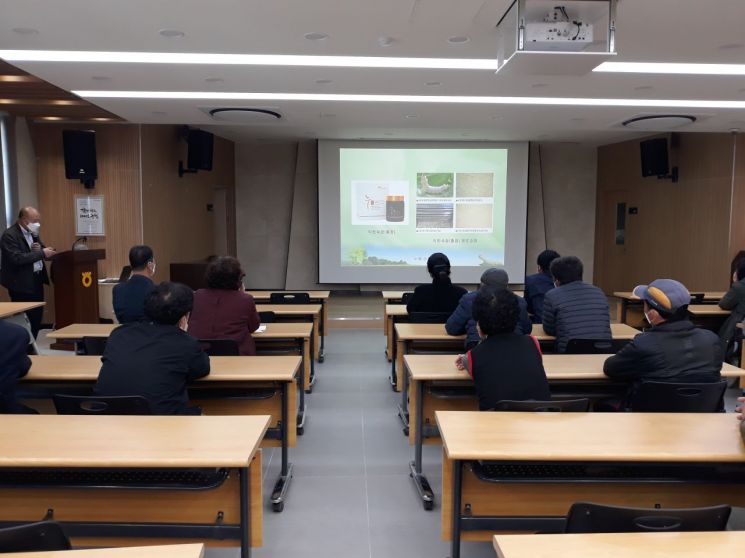
On the 1st, the city held a special lecture by experts for sericulture farms in the area on mulberry tree management, silkworm rearing, and distribution of sericulture products.
The lecture, hosted by the Korea Sericulture Association, covered prospects for overseas export of sericulture products, new market development, and the current state of sericulture in Japan.
Sericulture refers to the process of cultivating mulberry trees and producing silkworm cocoons. It enjoyed its heyday in the 1970s but declined due to competition from synthetic fibers. Currently, Sangju's sericulture industry is utilized in functional sericulture sectors such as food, musical instruments, and beauty.
The city's sericulture industry currently consists of 96 farms over 44 hectares, with about 30 farms producing silkworm cocoons. They continue silkworm rearing, which is sensitive to environmental conditions, based on accumulated technology and know-how.
Mayor Kang Young-seok of Sangju said, “Sericulture can be used not only for clothing but also in various fields such as food and medical applications. We will enhance farm competitiveness and revive the sericulture industry through cooperation with the Gyeongsangbuk-do Sericulture and Insect Business Center and related organizations.”
© The Asia Business Daily(www.asiae.co.kr). All rights reserved.