[Asia Economy Reporter Baek Kyunghwan] A man who enjoyed shooting games like 'Battlegrounds' but refused military service due to religious beliefs was convicted of violating the Military Service Act.
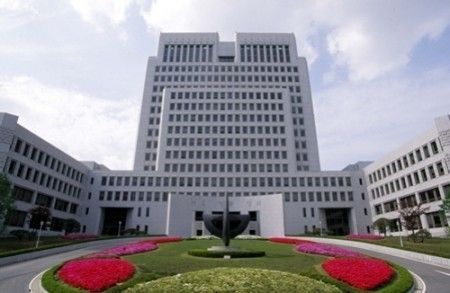
On the 21st, the Supreme Court's 3rd Division (Presiding Justice Kim Jae-hyung) announced that it upheld the original ruling sentencing Mr. A, who was charged with violating the Military Service Act, to 10 months in prison with a 2-year probation period.
Mr. A, who was subject to active duty enlistment, received enlistment notices starting in October 2012 but postponed enlistment due to reasons such as returning to school and taking qualification exams. The postponement continued until December 2017, but he did not apply for postponement on the grounds of religious beliefs.
In August 2018, after receiving another enlistment notice, he refused to enlist citing religious beliefs. In September of the same year, he resumed religious activities after 9 years by starting Bible study. This was two months after the Constitutional Court's decision that a substitute service system was necessary for conscientious objectors to military service.
The first trial court judged that Mr. A avoided military service by taking advantage of the Constitutional Court's decision despite lacking sincere religious beliefs sufficient to refuse military service. It also pointed out that after becoming a Jehovah's Witness, Mr. A had been booked and punished seven times for offenses such as joint extortion, unregistered car sales business, false testimony, and unlicensed drunk driving, which contradicted 'Bible doctrine.'
The court sentenced him to 10 months in prison with a 2-year probation, stating that Mr. A could not be considered a 'conscientious objector' because he testified that his conscience did not react sensitively while enjoying shooting games until he resumed religious activities.
The prosecutor appealed, claiming "the sentence is too light," and Mr. A also appealed, asserting "the refusal of military service was based on religious beliefs," but the second trial court dismissed both appeals. Mr. A filed a final appeal, but the Supreme Court also rejected it.
© The Asia Business Daily(www.asiae.co.kr). All rights reserved.