With oil prices expected to rise due to airstrikes on Iran by the United States and Israel, there are projections that airline stocks may face corrections. In contrast, the outlook for the shipping sector is expected to be positive.
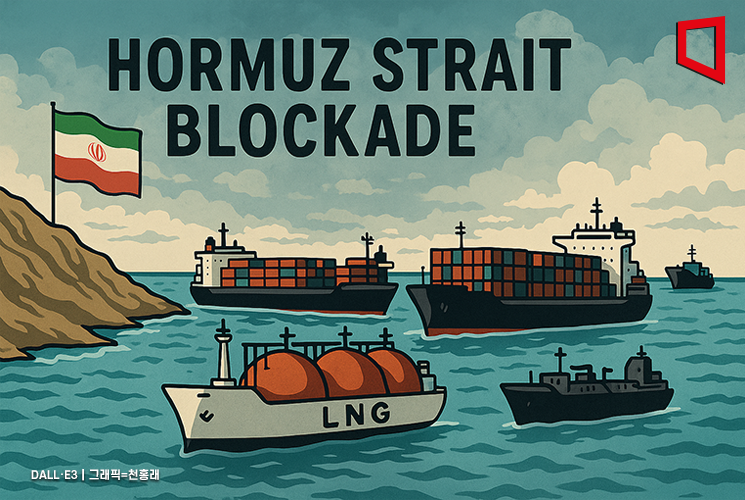
According to Hana Securities on March 3, a sharp increase in oil prices appears inevitable in the short term. The Strait of Hormuz is a strategic chokepoint through which 20% of global crude oil shipments pass, and the Iranian Revolutionary Guard has effectively blocked the Strait as a result of the recent airstrikes. Do-Hyun An, a researcher at Hana Securities, explained, "Since fuel is the number one cost for airlines, stock prices of all airlines are likely to undergo a correction for the time being. If oil prices rise by 10%, total airline costs increase by more than 3%. In fact, following the airstrikes on Iran, major U.S. airline stocks plummeted."
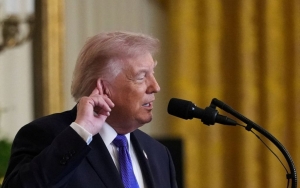
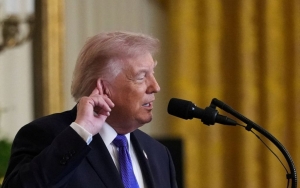
However, there are views that the blockade of the Strait of Hormuz will not be prolonged. An noted, "President Donald Trump is strongly motivated to end the war quickly, so there is a focus on the possibility that the blockade will not be long-lasting. If signals of oil price stabilization emerge, the external environment for airline stocks remains favorable, so this correction could be seen as a buying opportunity."
The blockade of the Strait of Hormuz is expected to benefit the container shipping market. An said, "Recently, although Maersk, the world's second-largest container shipping company by market share, was seen preparing to return to the Red Sea, the airstrikes led Maersk to suspend some vessel operations, which will likely delay the timeline for global container shipping companies to return to the Red Sea." He added, "On February 27, the Shanghai Containerized Freight Index (SCFI) closed at 1,333 points, up 7% from the previous week. The impact of the war will continue to help support container shipping market rates for the time being."
The shortage of Very Large Crude Carriers (VLCCs) is also expected to worsen. As of February 26, VLCC spot rates had risen to $165,000. An commented, "This short-term surge in rates is interpreted as a result of the application of a risk premium (higher insurance costs) in energy transportation. In the short term, moves to avoid the Strait of Hormuz will persist, keeping VLCC rates at high levels." He further stated, "Additionally, the likelihood is high that the so-called 'shadow fleet' transporting Iranian crude will cease operations, which will prolong the shortage of VLCC supply and likely maintain the current strong market for VLCCs."
In conclusion, for transportation stocks, the key factors will be whether the war and the blockade of the Strait of Hormuz become prolonged, and how this affects oil prices. An said, "In the near term, VLCCs may attract the most attention within the transportation sector," noting, "especially considering Pan Ocean's recent contract to purchase 10 VLCCs."
© The Asia Business Daily(www.asiae.co.kr). All rights reserved.