Cooling and reheating increases "resistant starch"
Helps moderate blood sugar spikes
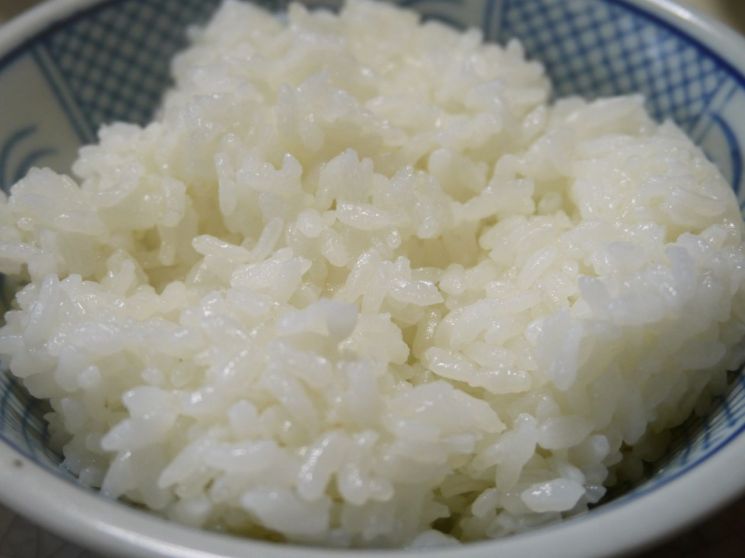
Keeping rice cooked in an electric rice cooker on the warm setting and eating it as is may not be ideal for blood sugar management. Some studies have found that if you cool the rice once and then eat it, the amount of "resistant starch" increases, which can help blunt the rise in blood sugar.
Resistant starch helps reduce post-meal blood sugar spikes
Resistant starch is a type of starch that, unlike ordinary starch, is mostly not broken down in the small intestine. Instead, it reaches the large intestine, where it is fermented by gut microorganisms.
Starch is classified into three types according to its digestion rate: rapidly digestible starch (RDS), slowly digestible starch (SDS), and resistant starch (RS), which is poorly digested.
Most starch is broken down into glucose in the small intestine and quickly raises blood sugar, but resistant starch is not digested and moves on to the large intestine, where it can help reduce the magnitude of the post-meal blood sugar rise. It is also known to act as a prebiotic, serving as food for beneficial gut bacteria and thus having a positive effect on intestinal health.
To obtain resistant starch, it is necessary to cool the food once after cooking. When starchy foods such as rice, potatoes, and pasta are refrigerated and then reheated, part of the starch structure changes and is converted into resistant starch.
Cool it, then reheat... beneficial for blood sugar and gut health
According to a study published in the international journal of nutrition and diabetes, "Nutrition & Diabetes," a research team at Sichuan University in China conducted a meta-analysis of 13 clinical studies and found that intake of resistant starch tended to improve fasting blood glucose and indices of insulin resistance. Insulin sensitivity increased, and resistant starch intake was also associated with reductions in glycated hemoglobin (HbA1c) and LDL cholesterol levels.
A research team at Johns Hopkins University School of Medicine in the United States also reported that resistant starch formed during the process of cooking and cooling, then reheating carbohydrate-rich foods such as rice, bread, pasta, and potatoes helps prevent sharp spikes in blood sugar and serves as food for beneficial gut bacteria.
The Johns Hopkins University School of Medicine researchers said, "It is best to boil rice, potatoes, beans, and pasta a day before eating and put them in the refrigerator to cool overnight," adding, "Even if you reheat them before eating, the amount of resistant starch does not decrease." They further explained that resistant starch can help maintain satiety for a longer time and help prevent and relieve constipation.
© The Asia Business Daily(www.asiae.co.kr). All rights reserved.
![Clutching a Stolen Dior Bag, Saying "I Hate Being Poor but Real"... The Grotesque Con of a "Human Knockoff" [Slate]](https://cwcontent.asiae.co.kr/asiaresize/183/2026021902243444107_1771435474.jpg)
















