January 29 Real Estate Plan: Supply Methods Not Yet Finalized
Potential Expansion of Rental Housing Targeting the Middle Class
Land Leasehold and Profit-Sharing Models Considered to Prevent "Lottery Sales"
"Urban Supply Requires Review of Alternative Models"
"Public rental housing units of 20 or 26 square meters (approximately 6 or 8 pyeong) are difficult to rent out due to low demand. We need to supply high-quality housing that meets the changing needs of the public. There are two aspects: one is convenient locations such as areas near subway stations, and the other is homes that are spacious enough to be truly livable, preferably of medium to large size." (January 12, 2026, New Year's press conference)
"We must continue to explore various methods of housing supply. Many initiatives have started and then stopped, but there are also different models such as equity accumulation, land leasehold, profit-sharing, and public rental housing with conversion to sale." (July 29, 2025, National Assembly confirmation hearing for the Minister of Land, Infrastructure and Transport)
The government's plan to expand urban housing supply, released on January 29, 2026, specifies the concrete sites, scale, and construction start dates that the market has been curious about. However, one key detail is missing: the method of supply. The Ministry of Land, Infrastructure and Transport stated that decisions have not yet been made regarding the scale of rental housing or the specific approach to sales if applicable.
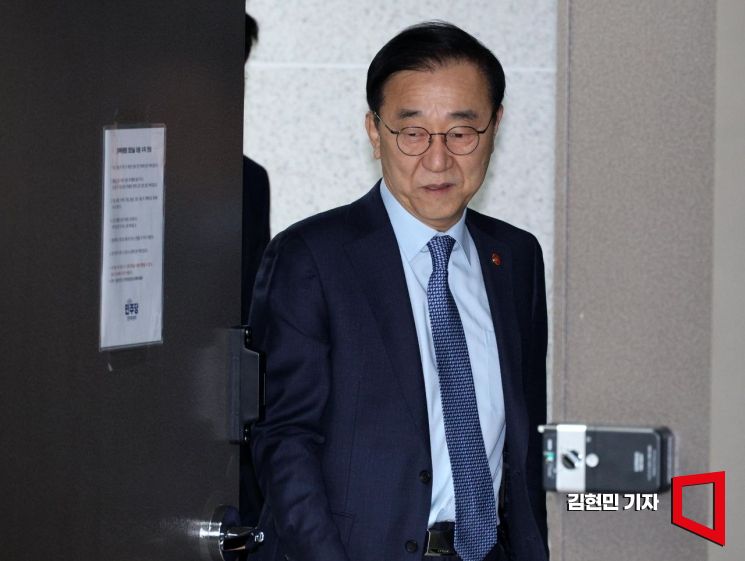 Kim Yoonduk, Minister of Land, Infrastructure and Transport, is attending the ruling party and government meeting on expanding and accelerating urban housing supply held at the National Assembly on January 29, 2026. Photo by Kim Hyunmin
Previously, in the September 7, 2025 real estate policy, the government announced its intention to supply 1.35 million housing units in Seoul and the surrounding metropolitan area over the next five years. The government also decided not to sell public land but to have public institutions such as the Korea Land and Housing Corporation (LH) directly implement the projects. This decision was made because if the private sector leads the projects, the supply volume could fluctuate depending on economic conditions. The same general approach will be applied to the additional sites confirmed in the January 29, 2026 plan.
Following the announcement of this plan, some observers predict that the focus will likely be on supplying small-scale rental housing. This is because most urban project sites are not large, and rental housing for young people and newlyweds has typically been offered in small units. However, the government is aware that such an approach does not align with the goal of expanding supply.
As Minister Kim has previously stated, the government is also considering including medium to large units that can accommodate three to four people or more. An official from the Ministry of Land, Infrastructure and Transport said, "We are considering rental housing that will appeal to everyone, including the middle class," adding, "We will finalize the supply targets and sales methods for each site as we develop the plans."
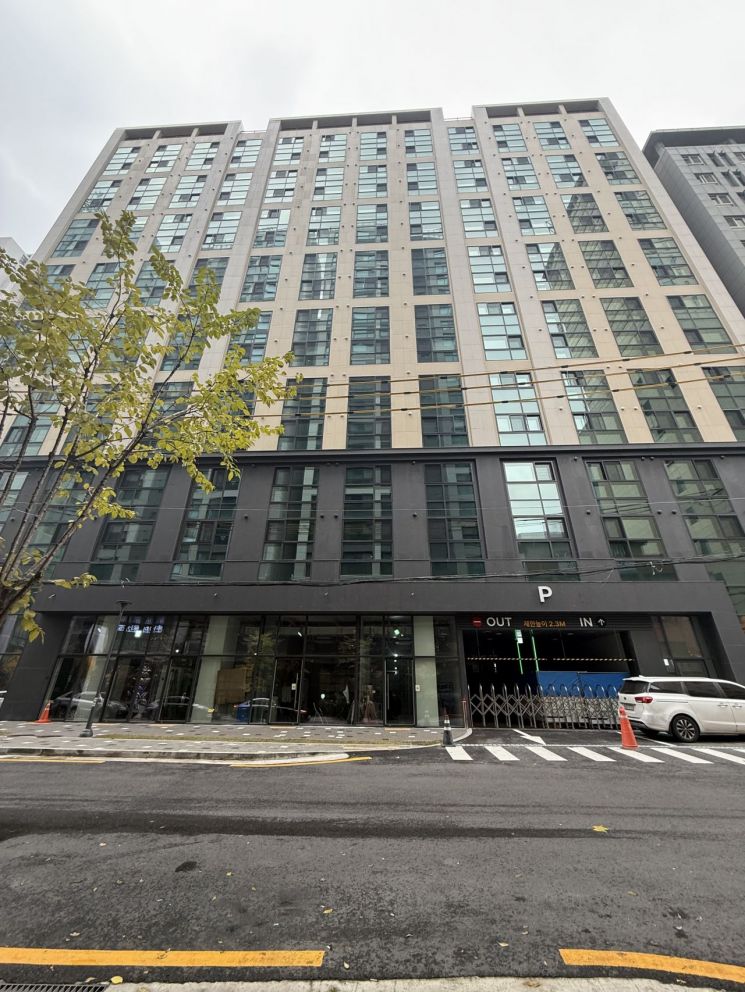 Newlywed and newborn purchase rental housing in Dongdaemun-gu, Seoul, supplied last year by Korea Land and Housing Corporation (LH). Provided by LH
It is also unlikely that the sales method will simply involve lowering the sale price and conducting a lottery for those who meet certain criteria such as residency, income, or assets, as has generally been done in the past. Even when units have been supplied at lower prices, there have been repeated instances where prices quickly rose to match surrounding market values. In such cases, so-called "lottery sales" have allowed buyers to capture all the profits, a practice that President Lee Jaemyung and others in the ruling party have repeatedly criticized as inappropriate.
Alternative public sales models being discussed include the land leasehold method, in which the land is leased long-term and only the building is sold, and the equity accumulation model, where residents purchase a portion of the unit upon moving in and gradually acquire the remaining stake over time. There is also the profit-sharing model, where even if a unit is purchased at a price below market value, a portion of the capital gains is shared with the public sector upon move-out or resale.
The reason the government has not finalized the proportion of rental versus sales units or the specific supply methods for the housing included in this plan is because there is ongoing debate both inside and outside the government regarding the relevant systems. The LH Reform Committee, launched last year, was originally scheduled to propose specific reform measures for LH by the end of that year, but even as a month has passed in the new year, there is still no timeline for the announcement.
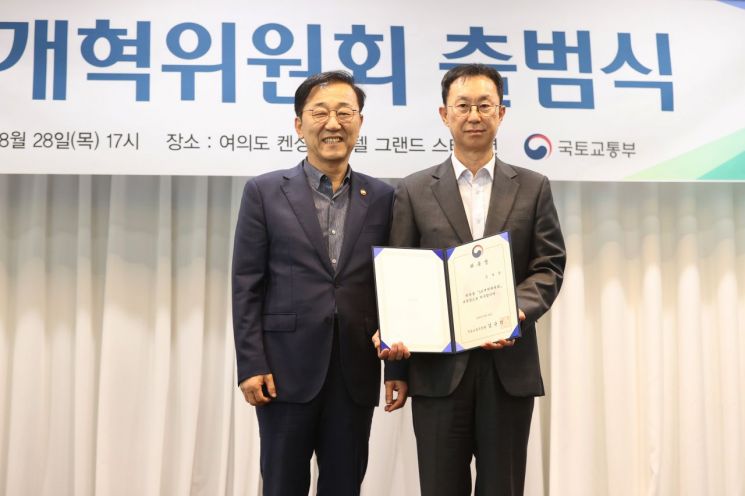 At the launch ceremony of the LH Reform Committee held last August, Yoonduk Kim, Minister of Land, Infrastructure and Transport (left), and Jaeman Lim, Professor at Sejong University (Chairman of the LH Reform Committee's Private Sector), are taking a commemorative photo after their appointment. Photo by Yonhap News
The supply methods are also tied to the housing welfare roadmap, which is scheduled to be announced in the first half of this year. The roadmap is expected to outline the medium- to long-term direction and concrete implementation strategies for increasing public rental housing. Jaeman Lim, Professor at Sejong University and Chairman of the LH Reform Committee's Private Sector, said, "The government is likely considering a variety of alternative supply methods that differ from those used in the past."
Professor Park Jun of the University of Seoul said, "Since the government has already stated its intention to focus on public-led supply, I believe there is a high likelihood that the supply will be structured in a way that ensures public interest." Nam Gieop, Director of the Land+Liberty Research Institute, explained, "To eradicate unearned income from real estate, as emphasized by the President, it is important to use tax measures for existing housing, but for new supply, the design of the supply method is crucial."
© The Asia Business Daily(www.asiae.co.kr). All rights reserved.












![The Special Connection Between the Statue of Martyr Lee Jun in Jangchungdan Park and Mayor Oh Sehoon ③ [Current Affairs Show]](https://cwcontent.asiae.co.kr/asiaresize/319/2026012110001599450_1768957215.jpg)


