Odor Conflicts Sparked by the Hand Cream Incident
Half of Citizens Report Discomfort from Scents in Public Spaces
"Fragrance-Free Zones" Spread Abroad
Calls for Domestic Standards Grow
Recently, news broke that a customer was asked to leave a well-known cafe for "interfering with the coffee aroma" after applying hand cream, sparking a growing social debate over "odor conflicts" in public spaces.
On January 22, Yonhap News reported on the controversy surrounding "olfactory etiquette," noting that posts expressing discomfort with the smells of perfumes, cosmetics, and cigarettes have been proliferating on social media and online communities.
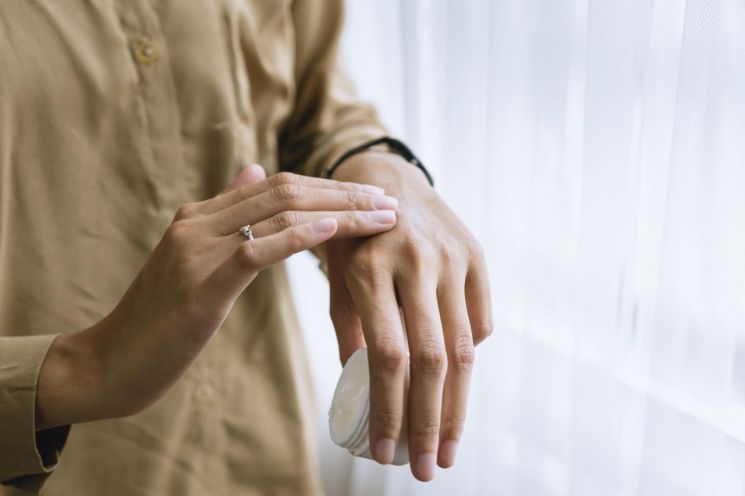 It was recently revealed that a customer who applied hand cream at a well-known cafe was asked to leave for "interfering with the coffee aroma." The photo is not related to the specific content of the article. Pixabay
Olfactory etiquette refers to the idea that a scent, which may be simply "fragrant" to one person, can cause "olfactory distress" such as headaches or nausea for others. The recent incident of a customer being asked to leave a famous cafe after applying hand cream has fueled this debate. Odor conflicts are especially pronounced in spaces sensitive to taste and smell, such as restaurants and cafes, and in public transportation during winter when ventilation is difficult. Complaints like "I get headaches from perfume smells" or "I feel suffocated by cigarette odors" are also common in university reading rooms, subways, and office spaces.
"Don't wear perfume" vs. "Why is that a problem?"-Netizens divided
According to a survey conducted by the civic group Environmental Justice in May last year (with 1,008 respondents), 51% said they had experienced health issues due to others' scents in public spaces such as public transportation, medical institutions, and food and beverage establishments. That's about one in every two respondents.
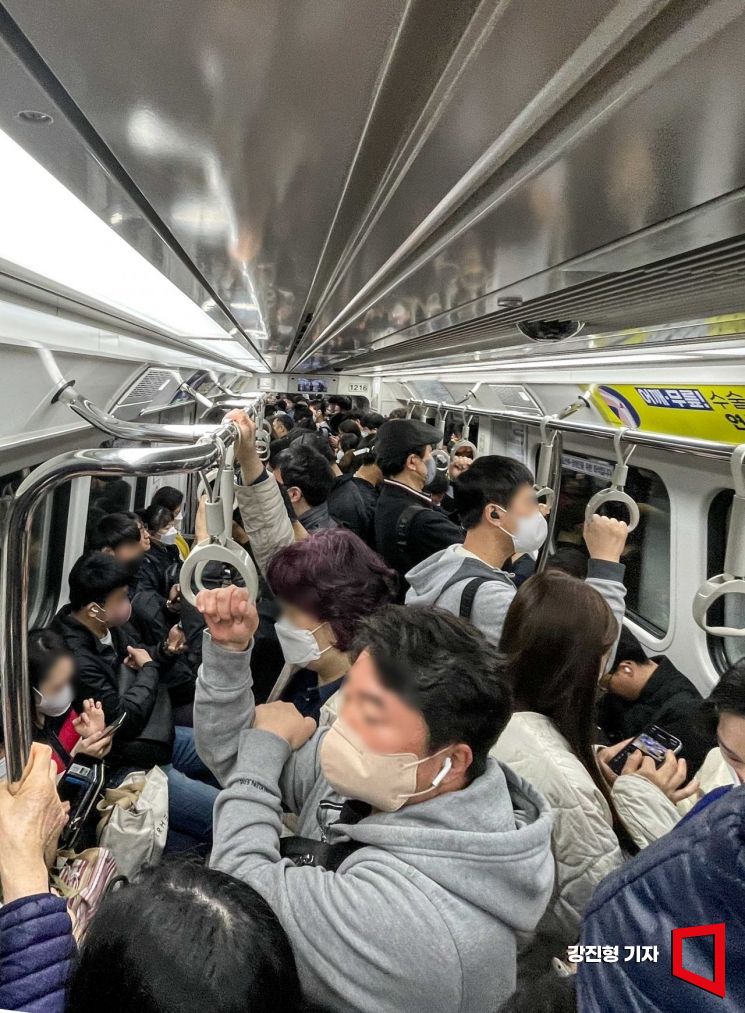 Odor conflicts are especially prominent in spaces sensitive to taste and smell, such as restaurants and cafes, as well as in public transportation during winter when ventilation is difficult. Photo by Kang Jin-hyung
One netizen shared, "The smell of strong perfume or cigarettes on the subway was so overwhelming that I had to get off at an earlier stop. For non-smokers, it practically feels like secondhand smoke." Another commented, "When perfume is too strong in a place where people are eating, the meal itself becomes unbearable." On the other hand, there is significant pushback, with some arguing, "Using perfume is a personal freedom." In response, another netizen asked, "Should we just stay home to avoid unpleasant smells?" and "You can't regulate every subjective discomfort," fueling ongoing debate. Regarding the "cafe hand cream incident," opinions are split between "excessive scents are a form of pollution" and "people are being overly sensitive."
Meanwhile, the medical community points out that odor conflicts cannot simply be dismissed as a matter of sensitivity. Park Jeong-ung, a professor in the Department of Pulmonology at Gachon University Gil Medical Center, explained, "Volatile organic compounds (VOCs) in perfumes or cigarette odors can directly irritate the airways. For patients with asthma or chronic obstructive pulmonary disease (COPD), even short-term exposure can worsen symptoms such as coughing or shortness of breath."
Abroad, "No Scent Zones"... Calls for domestic standards
Abroad, odor issues are already treated as matters directly related to health and safety. In Canada and the United States, policies such as "Scent-free" or "Fragrance-free Workplace" recommend refraining from using scented products like perfumes, fabric softeners, and detergents, and they operate "Fragrance-free Zones" in schools and public institutions. In Korea, civic groups have begun campaigns to create "fragrance-free spaces," signaling a shift in public awareness. However, many believe that social consensus and voluntary consideration should take precedence over legal regulation.
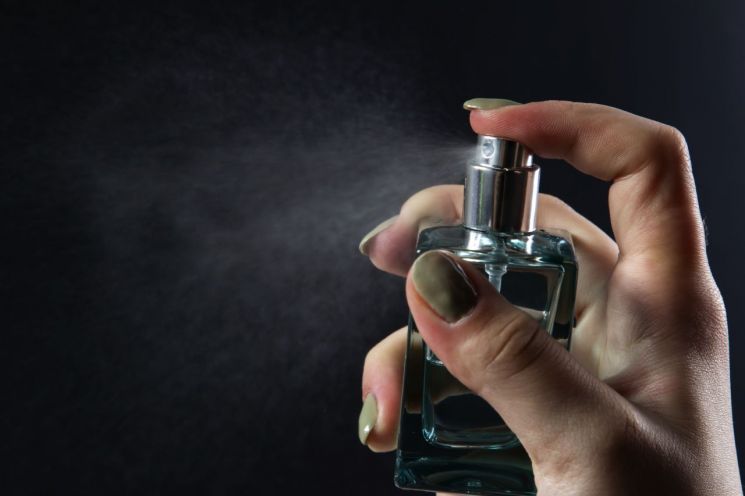 Abroad, odor issues are already treated as matters directly related to health and safety. In Canada and the United States, policies such as "Scent-free" or "Fragrance-free workplaces" recommend refraining from using scented products like perfumes, fabric softeners, and detergents, and they operate "Fragrance-free zones" in schools and public institutions. Pixabay
The Seoul Metro's terms and conditions include a clause restricting the entry of "items likely to cause discomfort to others due to filth or offensive odors," but critics point out that the subjective nature of odor makes effective enforcement difficult. Experts agree that "while odors are invisible, they can cause real distress for some people," emphasizing the need for at least basic olfactory etiquette in public spaces. What is a "fragrance" and a matter of personal freedom for one person can be "pollution" for another. As a result, society is now seriously considering what standards should be set between individual preferences and public consideration.
© The Asia Business Daily(www.asiae.co.kr). All rights reserved.
![Clutching a Stolen Dior Bag, Saying "I Hate Being Poor but Real"... The Grotesque Con of a "Human Knockoff" [Slate]](https://cwcontent.asiae.co.kr/asiaresize/183/2026021902243444107_1771435474.jpg)


















