BAI Releases "Regular Audit of KOICA" Report
Budget Continues to Grow, but Project Delays and Fragmentation Persist
Average Project Duration Reaches 7.3 Years, Exceeding Planned 5.1 Years by 2.2 Years
Preliminary Survey to Planning Survey Stage Takes Longest, Averaging 448 Days
Ministry of Foreign Affairs Linkage Projects: "19 Out of 29 Not Linked"
The Board of Audit and Inspection (BAI) has pointed out that large-scale Official Development Assistance (ODA) projects managed by the Korea International Cooperation Agency (KOICA) have experienced delays averaging more than two years, and that a significant number of ODA linkage projects designated and managed by the Ministry of Foreign Affairs have not been implemented as planned. The BAI has notified KOICA and the Ministry of Foreign Affairs to reduce factors causing delays during the project planning stage and to improve the selection criteria and post-monitoring systems for linkage projects.
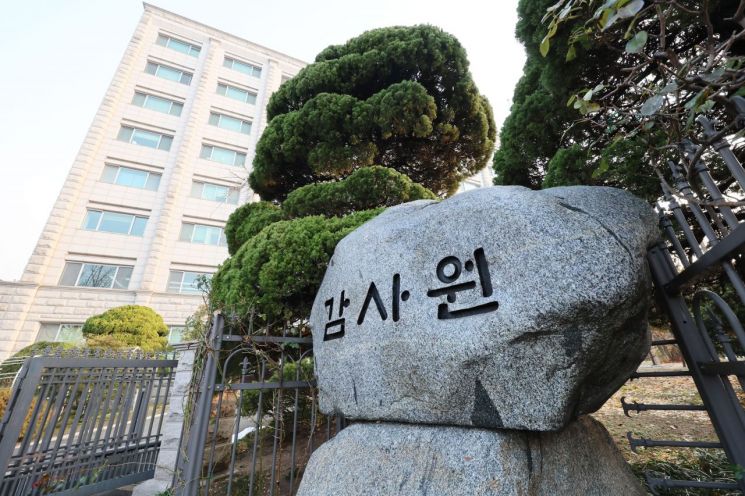
According to the "Regular Audit of KOICA" report released by the BAI on January 20, KOICA's budget increased in line with the expansion of Korea's ODA scale, reaching 1.1455 trillion won in 2022, 1.3542 trillion won in 2023, and 2.0212 trillion won in 2024. However, inefficiencies such as project delays and fragmentation have continued to be raised as issues. The BAI announced these findings, emphasizing its focus on assessing the appropriateness of the ODA project implementation system, while also reviewing overall institutional operations, including contract management and personnel and compensation systems.
The BAI analyzed 24 large-scale projects with a total project cost of at least 10 billion won that were completed in the past three years. The average project duration was 7.3 years, which is 2.2 years longer than the planned period of 5.1 years, and delays occurred in 20 out of the 24 projects. The BAI confirmed, based on project completion evaluation reports, that such delays negatively impacted outcomes, resulting in local resident dissatisfaction and operational disruptions.
Examples presented by the BAI include the Nepal earthquake recovery project, where the construction of health centers was delayed by more than two years due to customs clearance delays for equipment and changes in construction contractors, leading to strong complaints from local residents who had provided the land. In the Uzbekistan vocational training center project, completion was delayed by more than a year, causing 40% of teachers who had received capacity-building training to leave, which disrupted operations. In the Laos immigration capacity-building project, initial delays led the recipient country to develop a similar system independently, and as a result, most of the total project budget was spent on equipment support, making it difficult to achieve the project’s original goals.
Additionally, the BAI reviewed the causes of delays during the planning stage for 80 ongoing projects and found that the average period between the preliminary survey and the project planning survey was the longest, at 448 days. The BAI also pointed out that surveys are concentrated within specific periods, making it difficult to secure experts, and that there is a practice of effectively suspending consultations with recipient countries before the budget is finalized, which causes dissatisfaction among recipient countries. Furthermore, the BAI noted that the timing of project implementer (PC/PMC) selection is not sufficiently reflected in overseas office evaluations, resulting in frequent cases where project commencement is delayed by more than six months after the project plan is established.
In response, the BAI instructed the President of KOICA to convene the Project Concept Paper (PCP) Review Committee on a regular basis to improve the conditions for securing professional personnel, and to actively pursue pre-procedures such as signing a conditional Record of Discussions (R/D) if requested by the recipient country. The BAI also called for improvements to ensure that the timing of project implementer selection is reflected in performance evaluations.
Ministry of Foreign Affairs linkage projects: "19 out of 29 not linked... deficiencies in selection, monitoring, and feedback"
The BAI further noted that while the Ministry of Foreign Affairs designates and manages inter-agency linkage projects to reduce costs and enhance effectiveness, the selection and implementation management of these projects is inadequate. In fact, of the 126 KOICA linkage projects designated in 2021-2022, the BAI examined 29 with concrete linkage content and found that 19 projects (65.5%) were not actually linked as planned.
The BAI pointed out that the selection criteria for linkage projects are only at a basic level, such as "considering region, sector, and timing," which results in the inclusion of projects that are practically impossible to link. For example, in an Ethiopia project, KOICA’s capacity-building project was in its final stage while the Export-Import Bank of Korea’s project started much later, and the implementation regions also differed, making linkage difficult. During the implementation phase, the ODA local consultative bodies at overseas missions were operated only formally, with insufficient guidance and supervision from the Ministry of Foreign Affairs. The BAI also noted that the ministry failed to identify and feed back information on whether linkage projects were implemented and the reasons for non-implementation, making it difficult to use this information for project selection in the following year.
Accordingly, the BAI notified the Minister of Foreign Affairs to specify the selection criteria for linkage projects and to prepare measures to improve the guidelines for preparing implementation plans for grant aid projects, including guidance, supervision, evaluation, and feedback. The BAI also issued a caution to ensure thorough guidance and supervision of the operation of ODA local consultative bodies at overseas missions.
© The Asia Business Daily(www.asiae.co.kr). All rights reserved.
![Clutching a Stolen Dior Bag, Saying "I Hate Being Poor but Real"... The Grotesque Con of a "Human Knockoff" [Slate]](https://cwcontent.asiae.co.kr/asiaresize/183/2026021902243444107_1771435474.jpg)















