14.5% of University Students Have Experience with Deepfakes
Some Place Blame for Creation and Distribution on Victims
Among male university students who have created deepfakes themselves, about 2 out of 10 said they did so for sexual purposes or to harass others. This result indicates that, on university campuses, deepfakes are not just used for pranks or creative activities, but also have significant potential to be linked to sexual crimes.
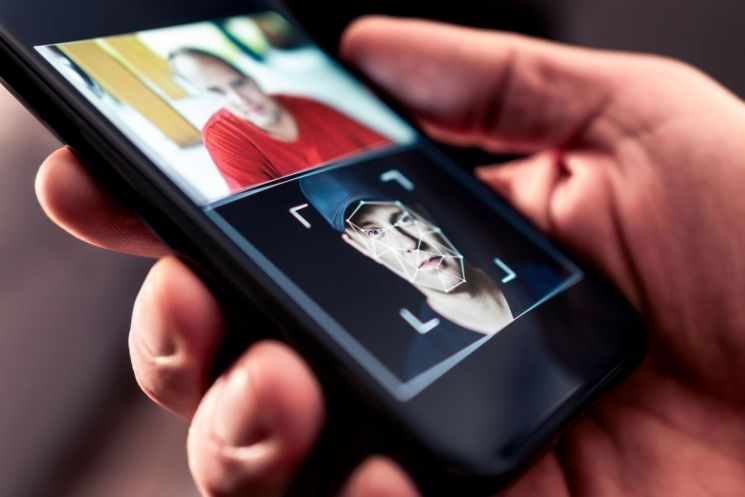 The Korea Women's Development Institute recently published a study titled "Research on the Actual Conditions and Countermeasures of Deepfake Sexual Crimes in Universities" (photo used for article understanding and unrelated to the article content).
According to the Korea Women's Development Institute's recently published study, "Research on the Actual Conditions and Countermeasures of Deepfake Sexual Crimes in Universities," a survey of 1,500 university students nationwide found that 14.5% (218 students) had experience creating deepfake photos or videos. Among them, male students showed a notably higher rate of creating deepfakes for sexual gratification or for the purpose of harassment compared to female students.
Respondents mainly cited reasons such as using deepfakes for assignments, creating memes for humor, engaging in creative activities, and playing pranks among friends. However, among male respondents, 12.2% said they created deepfakes "to satisfy sexual desires," and 8.4% said "to harass others." These rates are more than twice as high as those among female respondents.
There was also a significant gender gap in the level of awareness about deepfake sexual crimes. While 72.1% of female students said they were well aware of such crimes, only 52.9% of male students responded that they were "well aware." The emotional responses to incidents occurring on campus also differed. Among female students, 31.4% said they "felt anxiety and fear," and 56.3% said they "felt anger and shock." In contrast, only 9.9% and 36.2% of male students, respectively, reported these feelings.
On the other hand, 42.7% of male students said that when they encountered such incidents, "it was shocking, but it is not directly related to me." For the same question, only 11.2% of female students agreed, showing that male students are much more likely to consider such incidents as issues affecting others rather than themselves.
The research team explained this difference from the perspective that "the reality that most deepfake victims are women leads to gender-based differences in perception." As of 2024, women accounted for 96.6% of victims of deepfake synthesis and editing. This concentration of harm on a specific gender is seen as influencing awareness as well. The research team assessed that male students tend to dismiss deepfake sexual crimes as "irrelevant to themselves" or separate them as a matter of personal curiosity.
Another issue is the perception of responsibility. When asked who should be held responsible for the creation and distribution of deepfake sexual content, male students most frequently pointed to the creator (82.0%) and the severity of punishment (51.6%) as the main causes, but a significant number also cited the victim's lack of management (13.6%) and the platform's failure to block distribution (22.5%). In contrast, female students were less likely to attribute responsibility to the victim (4.9%) or the platform (9.5%).
The research team pointed out, "This shows that among some male students, there remains a perception that the victim's lack of caution is the cause of the problem," adding, "There is a risk that, rather than viewing deepfake sexual crimes as structural gender-based violence, responsibility will be shifted to individual management." The team further noted, "Such attitudes are highly likely to lead to secondary victimization."
© The Asia Business Daily(www.asiae.co.kr). All rights reserved.
![Clutching a Stolen Dior Bag, Saying "I Hate Being Poor but Real"... The Grotesque Con of a "Human Knockoff" [Slate]](https://cwcontent.asiae.co.kr/asiaresize/183/2026021902243444107_1771435474.jpg)















