"Checking Whether Customers Qualify for Birkin or Kelly Bags"
Monitoring Social Media, Observing Attire and Behavior
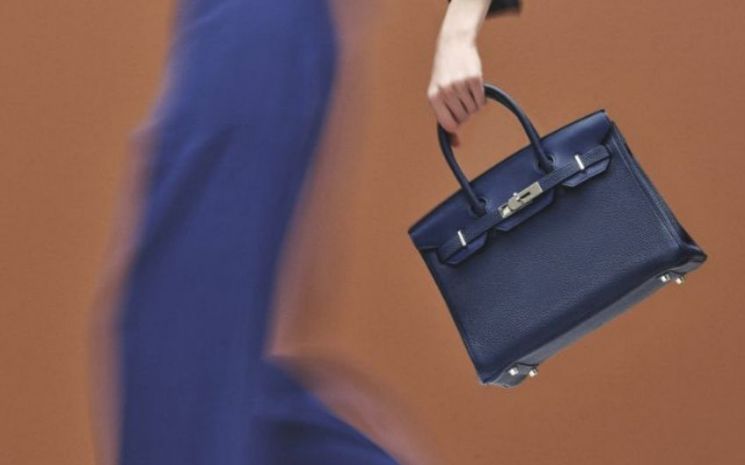
French luxury brand Hermes, known for its strategy of selectively selling to customers, is facing controversy amid allegations that it has even investigated customers' personal information to screen buyers.
On January 15, French fashion magazine Glitz reported that Hermes employees have been searching customers' home addresses on Google to determine whether they qualify to purchase Birkin or Kelly bags.
Journalist Louis Pisano told Glitz, "There are allegations that Hermes is essentially stalking its customers," adding, "Employees search customers' home addresses to check whether they live in prestigious enough neighborhoods to qualify for a Birkin or Kelly bag."
Birkin and Kelly bags are sold as part of Hermes' strategy to maintain exclusivity. Prices range from around 15 million won to as much as 260 million won, but annual supply is limited to approximately 120,000 units. Due to this scarcity, customers typically have to wait two to three years to purchase one, and the bags are famously difficult to obtain even for those who want to buy them.
There are also conditions for purchasing these bags. Customers must consistently buy other products such as accessories, scarves, or tableware and accumulate a purchase history worth between 50 million and 100 million won. Only then does the store manager decide whether the customer is eligible to purchase a Birkin bag. Meeting these requirements allows customers to see certain bags, but they can only choose whether to buy or not, and it is known that they cannot select the color.
According to Glitz, Hermes employees also access customers' social networking service (SNS) accounts to check the types of posts they make. In addition, they reportedly monitor whether customers resell the bags after purchase and even observe customers' clothing and behavior.
One sales associate told Glitz, "Customers who buy bags in large quantities or shop at multiple boutiques are highly likely to be classified as a 'red flag.'"
© The Asia Business Daily(www.asiae.co.kr). All rights reserved.
![Clutching a Stolen Dior Bag, Saying "I Hate Being Poor but Real"... The Grotesque Con of a "Human Knockoff" [Slate]](https://cwcontent.asiae.co.kr/asiaresize/183/2026021902243444107_1771435474.jpg)















