[Feature] Uijeongbu City Unveils 'Our Neighborhood Policy Roadmap: Ganeung-dong Edition'
CRC Opens After 70 Years... Transforming into a Hub for Advanced Industry and Education
From Uijeongbu High and Girls' High Selected as 'Autonomous Public High Schools' to Large-Scale Redevelopment
Shedding Its Military Past for a Cutting-Edge Future... A Blueprint for Complete Transformation
Ganeung-dong in Uijeongbu City, Gyeonggi Province, is shedding the remnants of the former U.S. military base and transforming into a new central hub of Uijeongbu, where cutting-edge industries, high-quality education, and a pleasant residential environment converge.
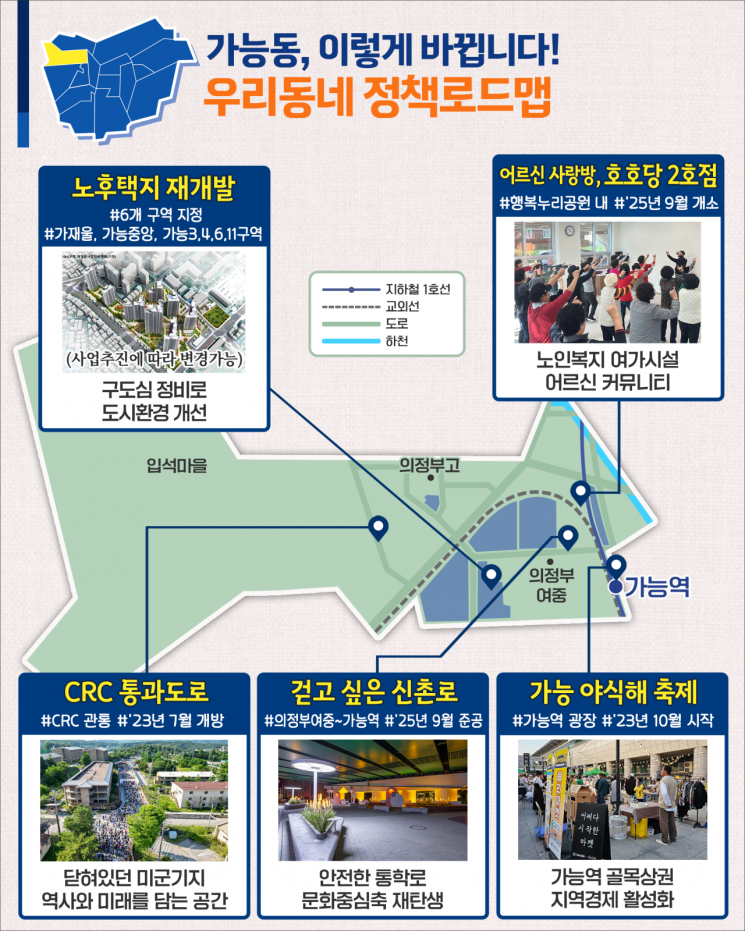
On January 6, Uijeongbu City (Mayor Kim Donggeun) unveiled the future blueprint for Ganeung-dong by announcing the 'Our Neighborhood Policy Roadmap: Ganeung-dong Edition,' which compiles comprehensive information on administration, infrastructure, welfare, and culture closely related to citizens' daily lives.
The Once-Closed CRC Becomes Part of Daily Life in Ganeung-dong
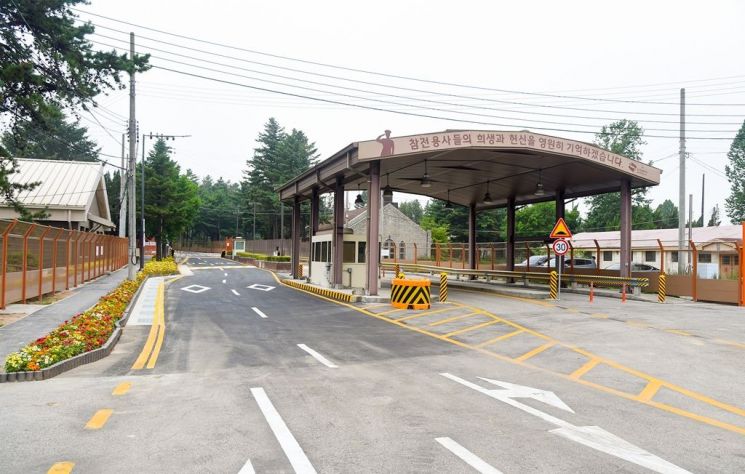
The most notable change is the opening of Camp Red Cloud (CRC), a returned U.S. military base that was isolated like an island despite being located in the heart of Ganeung-dong.
The CRC Pass Road, which opened in 2023, has become more than just a road-it now symbolizes 'communication.' Since its opening, travel time through this section has been reduced by more than half, from the previous 5 minutes and 23 seconds to just 2 minutes and 1 second. With an average of 10,000 vehicles using it daily, the road has played a significant role in alleviating local traffic congestion.
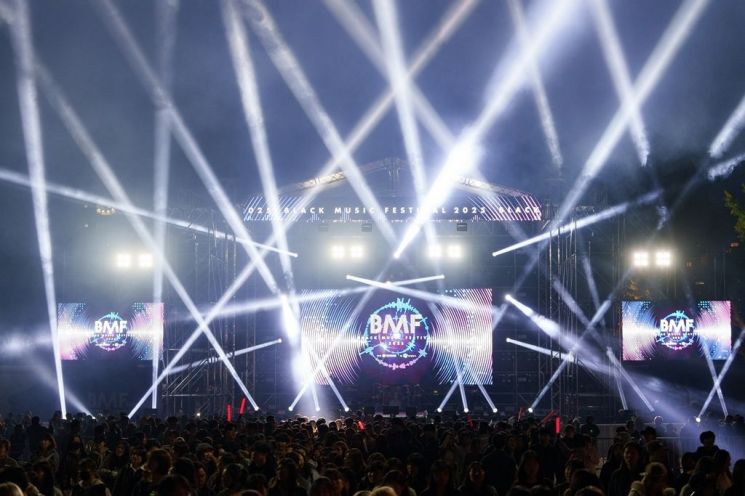
Notably, in 2025, the 'Black Music Festival (BMF),' which had previously been held in the downtown area, was hosted at the CRC for the first time, attracting a record number of approximately 15,000 visitors. The opportunity to directly experience the previously closed-off returned base piqued public interest, drawing a broader range of age groups to the CRC than ever before.
Plans for the future of the CRC are also becoming more concrete. In April 2025, the CRC was selected as a candidate site for the 'Gyeonggi Free Economic Zone,' and the city plans to develop the area as a future industrial hub linked to design, media content, and AI industries. In addition, with the Ministry of the Interior and Safety's final approval of the revised 'Comprehensive Development Plan for Areas Surrounding U.S. Military Bases,' the previous plan to establish an e-commerce logistics complex was withdrawn, clarifying the focus on advanced industries.
'Rest and Welfare Infrastructure' Integrated into Daily Life
The alleyways and unused spaces in Ganeung-dong are being transformed into havens for local residents. The barefoot walking path and the Hwangto Trail at Dongsim Children's Park, both created near the CRC in 2025, have become healing spots that promote residents' health and relaxation.
The rebirth of neglected historical assets is also noteworthy. The site of an abandoned railway, once used for transporting U.S. military supplies during the Korean War, was reborn in October 2024 as the 'Gageumcheolgyo Cultural Park.' The 2,903-square-meter space now features walking trails and a memorial zone, transforming a once dark and isolated area into a vibrant park connecting to the Jungnangcheon Stream.
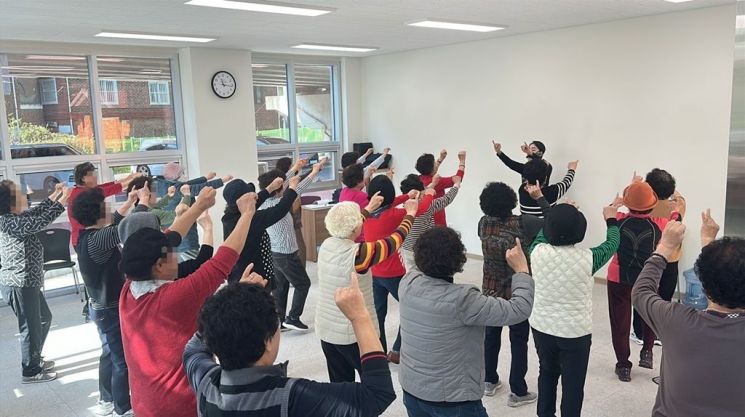
Welfare infrastructure for seniors is also expanding. 'Hoho-dang Branch 2,' which opened in September 2025 within the Happiness Nuri Park in Ganeung-dong, is now operating as a senior-exclusive rest area equipped with spaces for mind sports such as Go and Janggi, as well as for social interaction.
In addition, programs such as exercise classes, beauty and nail art volunteer services, and resident-driven cultural activities are being offered, broadening the scope of the facility as a space where seniors can naturally interact and feel energized in their daily lives.
A Neighborhood for Living and Walking: 'Living Environment and Commercial Infrastructure'
With the renovation of aging residential areas and improvements to pedestrian environments, Ganeung-dong is becoming a place where everyday life can be sustained within the neighborhood itself.
In the Ipdong Village area, following heightened public anxiety in 2022 due to the controversy over Kim Geunsik's temporary residence, the city launched a residential environment improvement project to address daily inconveniences and enhance safety. The city implemented Crime Prevention Through Environmental Design (CPTED), expanded security CCTV and street lighting, and simultaneously enforced illegal parking regulations and improved the living environment.
In particular, at the end of 2024, a 340-meter urban planning road connecting Jungwon School and Ipdong Village Hall was constructed, improving the previously narrow and inconvenient access route and enhancing pedestrian convenience.
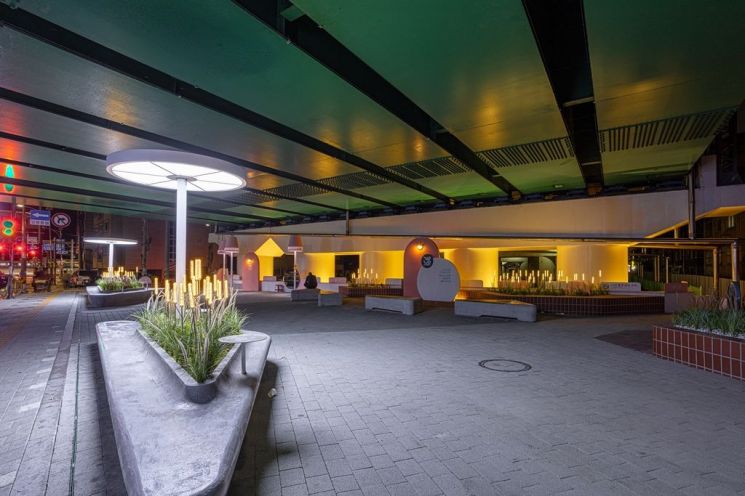
Pedestrian environment improvements have been extended throughout Ganeung-dong. In December 2025, the 'C.STREET Walkable Street Project' around Ganeung Station transformed the underpass space into a community area, improved alley walkways and fences, and installed canopies and line lighting along school routes. These efforts have brightened and improved previously dark and inconvenient sections, enhancing both safety and the pedestrian environment for daily movement.
Changes are also emerging around the local commercial district. In early October 2025, the third 'Ganeung Night Market' festival was held near Ganeung Station, featuring performances and outdoor table service centered on the food alley and plaza. During the event, evening commercial activity increased, with sales in the area around Ganeung Station rising by approximately 46.5% compared to usual over the two-day period.
Education and Housing: Laying the Foundation for Ganeung-dong's Future
Long-term changes centered on education and housing are taking shape, establishing the groundwork for Ganeung-dong's future.
In education, Uijeongbu High School and Uijeongbu Girls' High School were selected in August 2025 for the 'Autonomous Public High School 2.0' program, laying the foundation for innovation in public education. Starting in the 2026 academic year, both schools will transition to the new system, expanding autonomy in all aspects of school management, including ungraded classes and early admission/graduation, and will operate flexible, student-centered curricula.
In particular, the plan is to build a public education model that fosters future talent within the region by offering advanced major programs and career/college guidance in collaboration with local universities and institutions. This is expected to provide students and parents with more educational options and enhance the region's educational competitiveness.
At the same time, the renovation of aging residential areas is being pursued in stages. In the Ganeung-dong area, multiple redevelopment projects are underway or in preparation, including the Gajaeul District, as well as Ganeung Districts 3, 4, 6, 8, 11, and the Ganeung Central District. The city is systematically guiding redevelopment in areas with a high concentration of aging housing in response to demographic changes such as an aging population and an increase in single-person households.
An official from Uijeongbu City stated, "Ganeung-dong has long made sacrifices for national security, and now it is time to deliver tangible changes that citizens can truly feel as compensation. Through the development of the CRC and educational innovation, we will make Ganeung-dong a land of hope where everyone wants to live."
Meanwhile, Uijeongbu City plans to continue the 'Our Neighborhood Policy Roadmap' series, which provides tailored policy information for each district, with the next edition focusing on Heungseon-dong.
© The Asia Business Daily(www.asiae.co.kr). All rights reserved.
![Clutching a Stolen Dior Bag, Saying "I Hate Being Poor but Real"... The Grotesque Con of a "Human Knockoff" [Slate]](https://cwcontent.asiae.co.kr/asiaresize/183/2026021902243444107_1771435474.jpg)

















