Goyang City Marks First Anniversary of GTX-A... Emerges as a Thoroughly Connected Transportation Hub
GTX-A Kintex and Daegok Stations Surpass 8.16 Million Passengers
Up to 48,000 Daily Users at Kintex Station... Shifting Transportation Patterns
Jayu-ro Traffic Down, Daegok Station Demand Up... Solidifying Its Status as a Key Transportation Hub
Accelerating Expansion of Metropolitan Rail Network with Daejang-Hongdae and Goyang-Eunpyeong Lines
Goyang Special City in Gyeonggi Province (Mayor Lee Donghwan) is solidifying its position as a transportation hub in northwestern Greater Seoul, marking the first anniversary of the opening of GTX-A. Since the launch of service between Unjeong Jungang and Seoul Station on December 28, 2024, commuting times for citizens have been drastically reduced, and the city’s overall economic vitality has also improved.
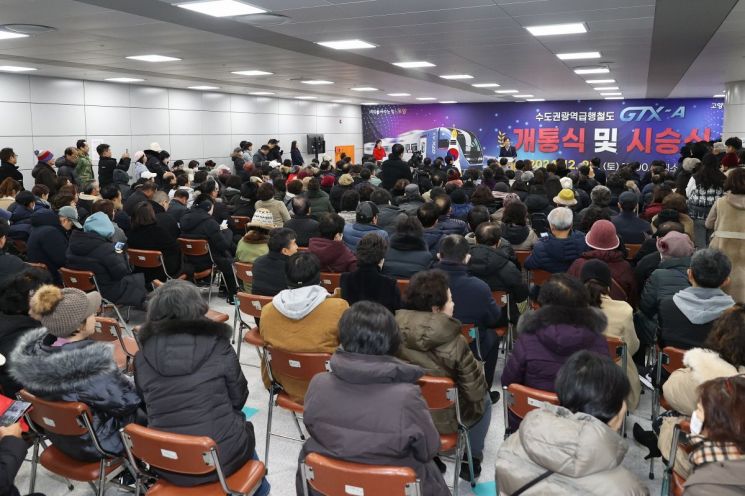
According to Goyang Special City on December 29, the cumulative number of passengers using GTX-A Kintex Station and Daegok Station over the past year (from December 28, 2024, to November 3, 2025) has exceeded 8.16 million. In January of this year, at the initial stage of operation, the daily average number of passengers was about 16,000, but by October, it had risen to 28,000-a roughly 75% increase.
‘Reduced travel time’ enhances quality of life... Increase in passengers at Kintex and Daegok Stations strengthens their status
According to a GTX-A user satisfaction survey conducted by the Korea Transportation Safety Authority in June, 86% of respondents said they were ‘satisfied’ with the service.
The most common reason for using GTX-A was ‘reduced travel time,’ cited by 66% of respondents. In reality, the travel time from Kintex to Seoul Station has been shortened to 16 minutes, and from Daegok to Seoul Station to 11 minutes, making the benefits tangible for citizens. The main purpose of use was commuting, accounting for 31%, and the busiest time was the morning rush hour from 7 to 9 a.m., at 37%.
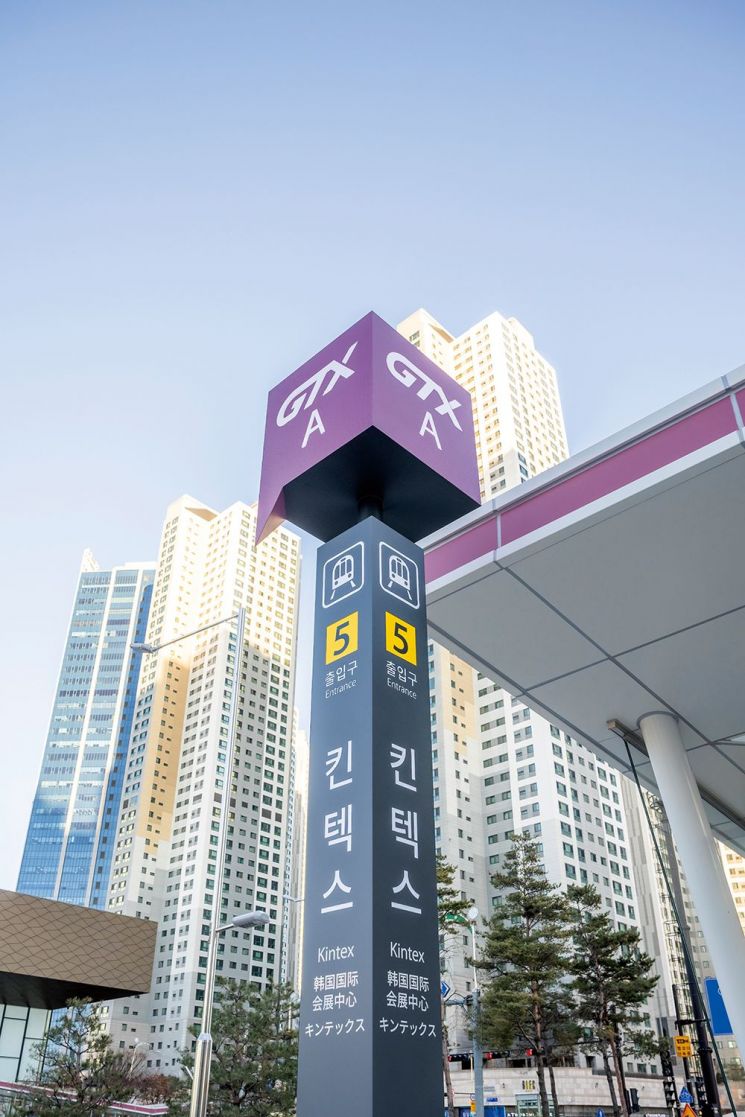
In particular, Kintex Station saw a significant increase in passengers during large-scale events at Goyang Sports Complex or major exhibitions at Kintex, with up to 48,000 people using the station in a single day. Thanks to this excellent transportation accessibility, a total of 18 large-scale performances were held at Goyang Sports Complex this year, attracting about 700,000 visitors. As a result, performance revenues surpassed 10.9 billion won, and there were positive ripple effects on the local economy, including increased sales in surrounding commercial districts.
The opening of GTX-A has also led to changes in transportation patterns. An analysis of traffic volume on Jayu-ro from January to September this year showed that the daily average traffic decreased by 1.3% compared to the same period last year.
On the other hand, the number of passengers using Daegok Station, where the Ilsan Line (Subway Line 3), Gyeongui-Jungang Line, and Seohae Line intersect, surged from a daily average of 5,400 before the opening of GTX-A to 19,000 as of October this year. As demand for transfers between metropolitan railways has become concentrated around GTX-A, Daegok Station’s role as a key transportation hub has been further strengthened.
Acceleration toward a ‘rail-centered city’ with the groundbreaking of the Daejang-Hongdae Line
Goyang Special City is actively working to expand the metropolitan railway network, not only with GTX-A but also with additional projects, to become a thoroughly connected transportation hub in the Greater Seoul area.
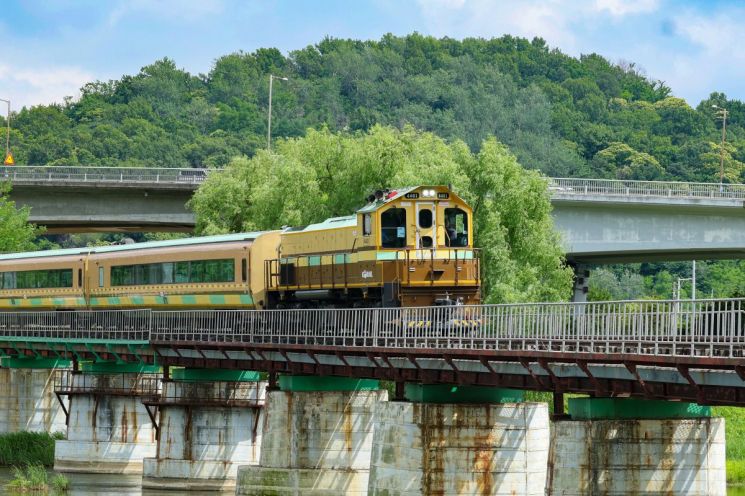
The Suburban Line, which resumed operation this year, connects Daegok in Goyang to Jangheung in Yangju and Uijeongbu, spanning a total of 30.5 kilometers from east to west. From January to October, the total number of passengers in the Goyang section (Daegok and Wonreung) reached 82,149 for boarding and 78,038 for alighting, reflecting high demand from both commuters and tourists.
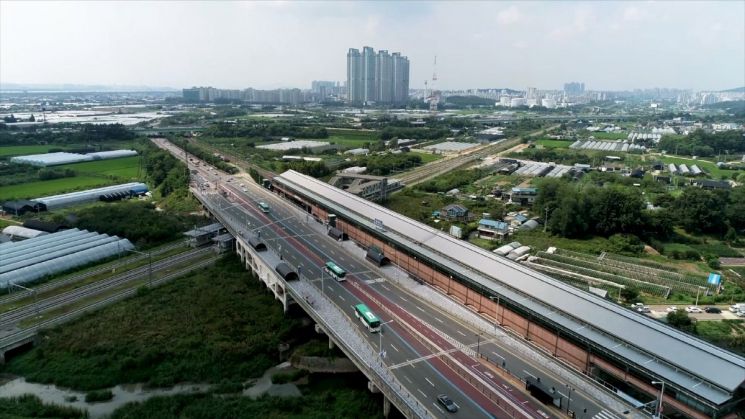
On December 15, the groundbreaking ceremony for the Daejang-Hongdae Line, which will connect Bucheon (Daejang), Goyang (Deogeun District), and Seoul (Hongdae), was held. The Daejang-Hongdae Line is scheduled to open in 2031, and with the establishment of the new Deogeun Station (tentative name), travel from Deogeun District to Gayang Station on Line 9 will take just one stop, and to Hongdae Entrance Station, three stops, making it possible to reach within 10 minutes.
The city has actively proposed the inclusion of new lines in the government’s upcoming ‘5th National Rail Network Construction Plan’ and ‘5th Metropolitan Area Transportation Implementation Plan.’ To improve accessibility to Seoul, the city has requested: ▲ the extension of the Shinbundang Line to Ilsan (Samsong~Ilsan), ▲ the extension of Line 9 express service to Daegok, and ▲ the introduction of express trains on Line 3 (Ilsan Line). In addition, to address transportation blind spots and expand rail service areas, the city has also proposed: ▲ the extension of the Goyang-Eunpyeong Line to Ilsan, ▲ rerouting the Suburban Line (via Gwansan and Goyang-dong), and electrification. The city plans to work closely with relevant agencies to ensure that these section plans are reflected.
Projects already included in the 4th National Rail Network Construction Plan have entered the concrete implementation stage. For the Goyang-Eunpyeong Line, the basic design will be completed by the second half of next year, after which construction will begin following approval of the project plan by the Ministry of Land, Infrastructure and Transport. The extension of Incheon Line 2 to Goyang is also being pursued, with the city working together with Gyeonggi Province, Gimpo City, and Incheon Metropolitan City to pass the preliminary feasibility study.
To further improve transportation conditions, the city is also upgrading and constructing new station facilities. In August, the number of cars on one Gyeongui-Jungang Line train was increased from four to eight, enhancing convenience. The much-requested renovation of Jichuk Station began in June and is scheduled for completion in the second half of 2026. In addition, new stations such as Haengsin Jungang Station, included in the basic plan for the Goyang-Eunpyeong Line, as well as Hyangdong Station on the Gyeongui-Jungang Line and Changneung Station on GTX-A, are being promoted.
Meanwhile, on December 12, tram lines to supplement intra-city travel were also made visible. The ‘Daegok-Goyang City Hall-Siksa Line (6.25 km)’ and ‘Gajwa-Siksa Line (13.37 km)’ were finally included in the ‘2nd Gyeonggi Province Urban Rail Network Construction Plan,’ contributing to the establishment of a multi-layered transportation network.
A Goyang Special City official stated, “With the opening of GTX-A, Kintex Station and Daegok Station have become undisputed transportation hubs and tourism and cultural centers of the Greater Seoul area. We will do our utmost to push forward with ongoing rail projects to build an even faster and denser transportation network.”
© The Asia Business Daily(www.asiae.co.kr). All rights reserved.
![Clutching a Stolen Dior Bag, Saying "I Hate Being Poor but Real"... The Grotesque Con of a "Human Knockoff" [Slate]](https://cwcontent.asiae.co.kr/asiaresize/183/2026021902243444107_1771435474.jpg)

















