Joint Statement by Thai and Cambodian Defense Ministers
Decision Reached After Three Days of Urgent Negotiations Starting on the 24th
Agreement Ensures Return of 500,000 Refugees and Cooperation on Landmine Removal
Death Toll Reaches 101, Marking the Worst Casualties on Record
The sound of gunfire has finally ceased at the border between Thailand and Cambodia, a region in Southeast Asia often referred to as a powder keg. On December 27 (local time), Thai Defense Minister Natthaphon Nakpanit and Cambodian Defense Minister Tea Seiha issued a joint statement announcing that they had agreed to halt all hostilities as of noon that day. This dramatic agreement was reached 20 days after fighting resumed on the 7th.
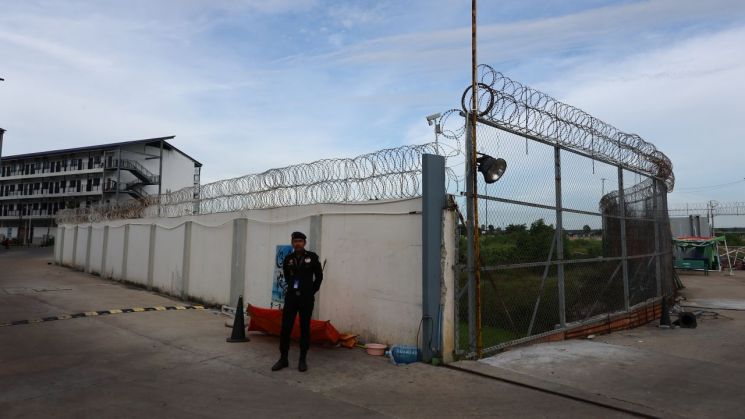 Cambodia and Thailand agreed to a ceasefire after 20 days. Photo unrelated to the article. Photo by Yonhap News.
The core of this ceasefire agreement is the freezing of military forces in their current positions. Both sides have pledged to maintain their existing deployments without any additional troop movements or reinforcements. In addition, they agreed to ensure the prompt return of border area residents who had fled to escape the ravages of war, and to engage in practical security cooperation, including landmine removal and measures against cybercrime, to address threats to safety in the border region.
The two countries managed to reach this ceasefire after three days of urgent negotiations that began on the 24th. The latest conflict erupted after a previous ceasefire agreement, brokered by U.S. President Donald Trump and others in October, collapsed in just two months. Notably, the 20 days of fighting this time left far more devastating consequences than before. According to foreign media reports, at least 101 people were killed in both countries during this period, and the number of refugees forced to abandon their homes exceeded 500,000. This is more than double the number of casualties (48) recorded during five days of clashes in July.
This ceasefire is seen as a decision made by both countries in the face of an extreme humanitarian crisis. However, given the precedent of an earlier failed international mediation, there remains considerable caution over whether this agreement will lead to lasting peace. The full return of 500,000 refugees and stability in the border region will ultimately depend on how thoroughly the midday pledge is implemented on the ground.
© The Asia Business Daily(www.asiae.co.kr). All rights reserved.
![Clutching a Stolen Dior Bag, Saying "I Hate Being Poor but Real"... The Grotesque Con of a "Human Knockoff" [Slate]](https://cwcontent.asiae.co.kr/asiaresize/183/2026021902243444107_1771435474.jpg)















