Symptoms Worsen and Risk of Complications Increases for Arthritis and Hypertension Patients in Winter
On the 26th, a cold wave warning was issued for most regions across the country, bringing the coldest weather of this winter.
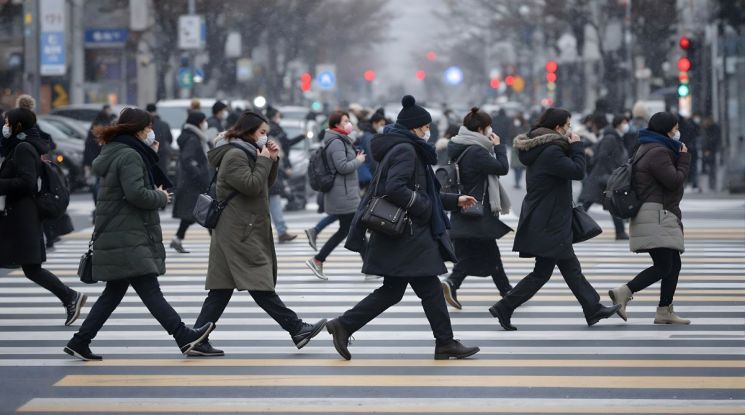
With temperatures dropping to minus 10 degrees Celsius and strong winds accompanying the cold, the wind chill has fallen to minus 20 degrees, making it daunting even to step outside. In particular, there are patients who become especially fearful of going outdoors in such weather.
Mr. A, a man in his late 50s who has suffered from knee arthritis for several years, finds his winter commute increasingly difficult every year. As temperatures drop, muscles and blood vessels contract, leading to poor blood circulation and an increase in joint pressure. For most arthritis patients, this means their joints ache and pain worsens during the winter months.
Additionally, the cold causes muscles and ligaments to stiffen, reducing flexibility and making the joints feel rigid. Even minor impacts can easily damage cartilage or joints.
Arthritis is caused by various factors that lead to inflammation in the joints, with joint pain being the most prominent symptom. In particular, osteoarthritis and rheumatoid arthritis are the most common forms of arthritis that cause severe pain during winter. Osteoarthritis results from damage or degenerative changes in the cartilage that protects the joints, leading to inflammation and pain as the bones and ligaments that make up the joint are damaged.
During winter, outdoor activities decrease, which can further reduce joint flexibility and cause the joints to stiffen. Therefore, it is advisable to loosen up the joints through walking or other light exercises. However, excessive exercise should be avoided as it can worsen arthritis.
Park Jisoo, Chief of the Spine and Joint Center at Ulsan Elijah Hospital and an orthopedic specialist, advised, "The number of patients visiting orthopedic clinics for arthritis treatment increases by about 10 to 20 percent in winter. For general arthritis, it is most important to keep the joints warm during the winter. Taking half-body baths or saunas to improve blood circulation, applying warm compresses, or using knee blankets in the office can all be helpful."
Dr. Park also stated, "For arthritis patients, it is crucial to minimize the temperature difference between indoors and outdoors and to pay special attention to keeping warm in order to alleviate pain and promote healthy blood circulation. Staying at home all winter due to severe pain can actually lead to complications such as depression, so taking a light walk outdoors during sunny midday hours can also be beneficial."
Just like arthritis patients, those with high blood pressure also need to be cautious in the winter cold, especially the elderly who are at greater risk. The number of deaths from cardiovascular diseases caused by high blood pressure increases from October as the weather gets colder, peaking from December to February of the following year. The mortality rate during winter is on average 33% higher than in summer. The relationship between temperature and mortality typically forms a U-shaped curve, with the lowest cardiovascular mortality observed at 15 to 20 degrees Celsius. For every 1 degree Celsius decrease or increase from this range, the mortality rate rises by 1%.
The sharp increase in cardiovascular disease deaths due to high blood pressure in winter occurs because sudden exposure to cold air activates the sympathetic nervous system, causing peripheral arteries to constrict. This raises blood pressure and increases the burden on the heart. Additionally, the heart rate rises, causing blood pressure to spike and increasing the risk of cardiovascular and cerebrovascular diseases.
High blood pressure patients are advised to avoid going outdoors as much as possible during cold, windy winter days. If going outside is unavoidable, it is essential to dress warmly and ensure both the body and face are kept warm.
Exercising or hiking in cold weather is strongly discouraged, and if symptoms such as chest tightness, pain, or shortness of breath occur while outdoors or exercising, one should immediately seek medical attention at a nearby hospital.
Chae Seungbyung, Chief of the Hypertension and Diabetes Center at Ulsan Elijah Hospital, emphasized, "Patients with high blood pressure must regularly monitor their blood pressure with a specialist capable of ongoing management and strictly follow their doctor's treatment and instructions. In particular, high blood pressure patients should pay special attention to precautions before going out in winter and focus on preventing heart, brain, and kidney diseases caused by hypertension."
© The Asia Business Daily(www.asiae.co.kr). All rights reserved.
![Clutching a Stolen Dior Bag, Saying "I Hate Being Poor but Real"... The Grotesque Con of a "Human Knockoff" [Slate]](https://cwcontent.asiae.co.kr/asiaresize/183/2026021902243444107_1771435474.jpg)















