The Answer Lies in the Field: Integrity, Livelihood, and Fiscal Achievements
‘Nation’s Only and First, Most’... ‘Top Grade in Comprehensive Integrity Assessment’
Boseong County in South Jeolla Province has announced its achievements for 2025, highlighting a year in which it accomplished stability in residents’ livelihoods, restored trust in public administration, and achieved balanced regional growth.
In 2025, Boseong County achieved the highest Grade 1 rating for the fourth consecutive year in the Comprehensive Integrity Assessment of Public Institutions, organized by the Anti-Corruption and Civil Rights Commission. For the first time in its history, the county’s budget surpassed 800 billion won, demonstrating the results of change created together with its residents through concrete figures and achievements.
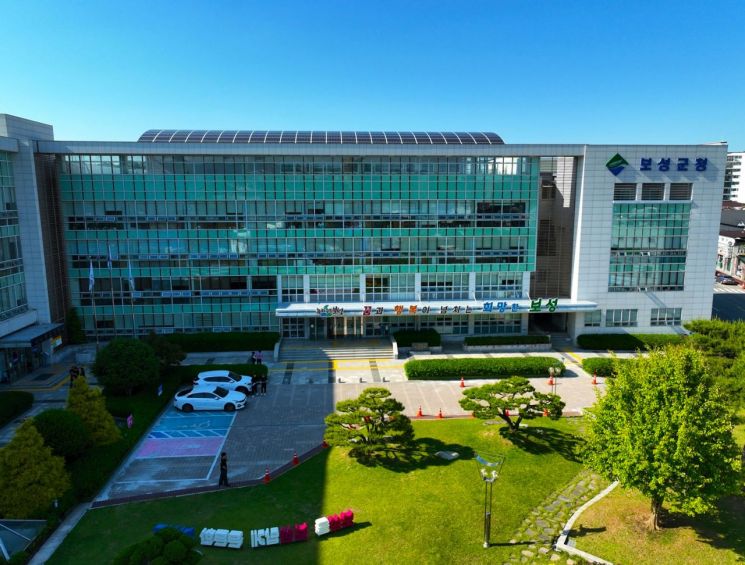
Notably, Boseong County is the only local government nationwide to have maintained a Grade 1 rating in the Comprehensive Integrity Assessment throughout the entire 8th popularly elected term from 2022 to 2025, setting an unprecedented record in the history of public institution evaluations.
In the area of residents’ livelihoods, the county provided the Boseong Love Support Fund, amounting to 300,000 won per resident and totaling 11.2 billion won, by utilizing the Integrated Fiscal Stabilization Fund, with the ‘Livelihood 600’ project at its core. Additionally, it issued Boseong Love Gift Certificates worth 74.2 billion won annually, generating up to 150 billion won in ripple effects for the local economy and supporting the recovery of local businesses.
The ‘Clean 600’ project, aimed at improving the living environment, was also recognized as a model example of the National Land Cleanup Campaign.
To address population decline, the county implemented comprehensive policies on childbirth, childcare, education, and youth, resulting in a total fertility rate of 1.2-ranking among the highest in the country. For the first time in 30 years since 1995, the county achieved a net population inflow. It also laid the foundation for educational innovation by being selected as a pilot area for the Educational Development Special Zone, promoting the RISE project, and designating Boseong High School as an autonomous public high school.
In the agriculture, forestry, livestock, and fisheries sector, the completion of an integrated Rice Processing Complex (RPC) worth 14.8 billion won established a high-quality rice distribution system. In response to the growing global demand for matcha, the county launched the ‘Second Boseong Tea Renaissance’ by developing flatland tea plantations and expanding HACCP-based processing facilities.
The county is also building a sustainable growth structure through the operation of the foreign seasonal worker program, the premium Korean beef branding project, the successful attraction of the Haedo Port Fishing Village New Vitality Project, and surpassing 2 billion won in annual sales on the Boseong Mall platform.
In the culture and tourism sector, the Boseong Dahyang Festival attracted 610,000 visitors, establishing itself as a leading festival in the southern region. The county completed the Yeolseonru Historical and Cultural Park and hosted the first Boseong Yeolseonru Yi Sun-sin Historical and Cultural Festival, strengthening the region’s historical identity.
The project to establish the Yeojaman National Marine Ecological Park was selected for a preliminary feasibility study. Yulpo Port, a candidate for new national fishing port designation, completed its master plan, and the county is promoting the Yulpo Marine Complex Center and Yulpo Promenade, positioning itself as a hub for marine tourism on the southern coast.
In terms of living infrastructure, the opening of the Namhae Line railway connecting Sinboseong Station and Imseongni Station, along with the full-scale supply of city gas to Boseong-eup, significantly improved regional accessibility and residential conditions. The county also enhanced residents’ safety and convenience through the construction of the Boseong Integrated Community Center and Beolgyo Cultural Complex Center, rural water supply development, modernization of aging water supply systems, and comprehensive improvements to flood-prone living areas.
Boseong County stated, “Achieving the highest Grade 1 rating in the Comprehensive Integrity Assessment of Public Institutions for four consecutive years and entering the era of an 800 billion won budget are the results of residents’ participation and responsible administration by public officials. Moving forward, we will continue to pursue administration that seeks answers in the field, ensuring both stability in residents’ lives and sustainable regional growth.”
Meanwhile, in 2026, Boseong County plans to further enhance the quality of life for residents and establish a foundation for sustainable regional growth by opening and moving into the Boseong Integrated Community Center and Beolgyo Cultural Complex Center, selling lots in the newly developed Second Agricultural and Industrial Complex, advancing the basic design for Yulpo Port’s national fishing port designation, creating the Buyongsanseong Forest Garden, opening the Boseong Park Golf Course and Beolgyo National Sports Center, completing the Guduljang Healing Park project, and finishing the Taebaek Mountain Range Theme Park project.
© The Asia Business Daily(www.asiae.co.kr). All rights reserved.
![Clutching a Stolen Dior Bag, Saying "I Hate Being Poor but Real"... The Grotesque Con of a "Human Knockoff" [Slate]](https://cwcontent.asiae.co.kr/asiaresize/183/2026021902243444107_1771435474.jpg)















