Rural Development Administration Scientifically Proves Propolis Extract's Effect in Alleviating Immune Hypersensitivity
Production of Immune-Related Products Planned for Second Half of Next Year
Propolis, known for its antioxidant and oral antibacterial properties, has also been found to be effective in alleviating atopic dermatitis.
On December 18, the Rural Development Administration announced that it has scientifically proven, through a step-by-step research process, that propolis extract is effective in alleviating immune hypersensitivity reactions.
Propolis is a natural substance collected by honeybees from plant growth points. It possesses physiological activities such as antioxidant, antibacterial, and anti-inflammatory effects. Currently, it is listed in the Health Functional Food Codex (standard guidelines) for its antioxidant and oral antibacterial properties.
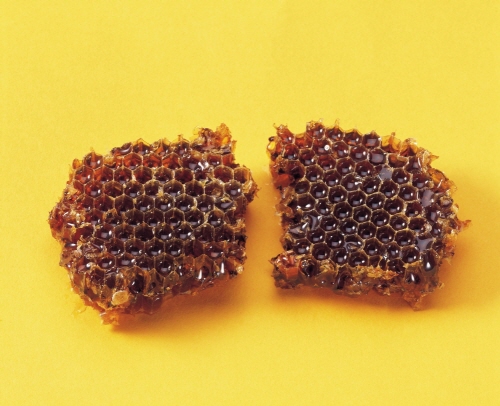 Propolis Effects
The Rural Development Administration conducted research on improving immune function using propolis extract, which has antioxidant, antibacterial, and anti-inflammatory effects, and confirmed the potential for developing propolis as a functional food ingredient. To this end, the agency collaborated with Seoul National University of Science and Technology, Yonsei University, Gachon University, and Bundang CHA Hospital to conduct a step-by-step investigation of propolis's immune-modulating effects, including big data analysis, cell experiments, animal experiments, human trials, and immune mechanism analysis.
Big data analysis of the relationship between propolis components and atopic dermatitis showed that 12 key components identified in propolis are involved in 203 biological processes related to immune hypersensitivity reactions (atopic dermatitis). It was also confirmed that these components are directly linked to core genes that trigger immune hypersensitivity reactions.
In cell experiments, immune-related tests were conducted by comparing them with the health functional food items approved by the Ministry of Food and Drug Safety. Five aspects were tested in cell experiments: immune hypersensitivity reactions, immune enhancement, joint health, gum health, and gut health. Among these, propolis extract showed the most outstanding effect in regulating immune hypersensitivity reactions.
Based on these findings, in animal experiments, propolis extract was administered to mice with atopic dermatitis at a dosage of 120 mg per 1 kg for four weeks. As a result, there was a 50% reduction in atopic dermatitis symptoms, a decrease in scratching frequency (from 28 to 15 times), a 50% reduction in transepidermal water loss, and a 50% reduction in ear thickness, clearly demonstrating improvements in inflammation and itching.
Subsequently, the Rural Development Administration conducted a 12-week human trial involving 66 children and adults. The participants were divided into two groups and given either propolis extract or a placebo, 2.5 mL each, for 12 weeks. In the group that consumed propolis extract, messenger RNA (mRNA) expression of interleukin-4 and interleukin-13, which trigger immune hypersensitivity reactions, decreased by 50%. Additionally, the level of serum eosinophil cationic protein (ECP), an inflammatory response marker, decreased by 12%, statistically confirming the alleviation of immune hypersensitivity reactions in humans.
A representative from the Rural Development Administration stated, "Propolis extract reduced hypersensitivity markers that cause atopic dermatitis by 50%, meaning that propolis lowers the likelihood of triggering atopic dermatitis by 50%."
Currently, the Health Functional Food Codex limits the recognized functionality of propolis extract to antioxidant and oral antibacterial effects. Based on the scientifically proven research results, the Rural Development Administration is working with the Ministry of Food and Drug Safety to add 'alleviation of immune hypersensitivity reactions' to the recognized functionality of propolis extract. The agency plans to complete the functionality registration in the first half of next year, transfer the clinical results report, and produce immune hypersensitivity alleviation products through the Korea Apiculture Agricultural Cooperative in the second half of the year.
Bang Hyesun, Director of the Agricultural Life Science Division at the Rural Development Administration, said, "If new ingredients are introduced into the immune function improvement market, it will contribute to the overall growth of the industry, the creation of new markets, and increased additional income for beekeeping farms, as well as the promotion of public health. We will continue to scientifically identify the effects of bee products and focus our efforts on developing them as functional food ingredients and technologies to contribute to increased income for beekeeping farms and public health promotion."
© The Asia Business Daily(www.asiae.co.kr). All rights reserved.
![Clutching a Stolen Dior Bag, Saying "I Hate Being Poor but Real"... The Grotesque Con of a "Human Knockoff" [Slate]](https://cwcontent.asiae.co.kr/asiaresize/183/2026021902243444107_1771435474.jpg)














