Laying the Groundwork for a Mid- to Long-Term IPO through FI Investment
Speculation Grows over Possible Split among Brothers amid Ownership Restructuring
1.1 Trillion Won Transaction Also Secures Funds for Gift Tax Payments
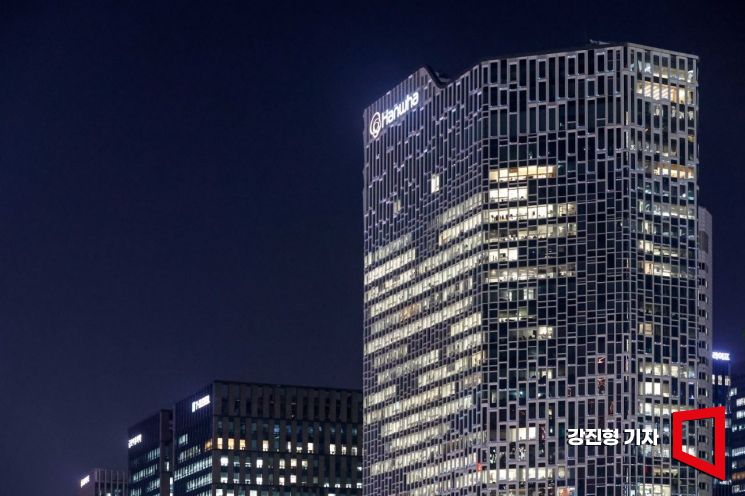
Kim Dongwon, President of Hanwha Life Insurance, and Kim Dongseon, Vice President of Hanwha Galleria, both third-generation owners of Hanwha Group, are selling part of their shares in Hanwha Energy-the company at the apex of the group's governance structure-to financial investors (FIs). On the surface, this transaction is intended to secure funds for gift tax payments and new business investments. However, considering the timing and structure, there is growing interpretation that this is a step toward restructuring the governance following succession and increasing the potential for a split among the affiliates.
According to Hanwha on December 17, President Kim will sell 5% out of his 25% stake, and Vice President Kim will sell 15% of his stake to Korea Investment Private Equity, Korea Investment & Securities, and Daishin Securities, among others. The total transaction amount is approximately 1.1 trillion won. Hanwha Energy held a board meeting the previous day and approved the transaction.
Once the transaction is completed, Hanwha Energy's ownership structure will be reorganized as follows: Kim Dongkwan, Vice Chairman of Hanwha Group, will hold 50%; President Kim Dongwon will have 20%; Vice President Kim Dongseon will have 10%; and financial investors will collectively hold about 20%. The eldest son, Vice Chairman Kim, did not participate in this sale and will maintain his stake in Hanwha Energy, thereby solidifying his position as the largest shareholder.
In the market, this transaction is largely seen not simply as a financial investment attraction, but as a process of clarifying the roles among the third-generation owners and sorting out the succession structure. Vice Chairman Kim Dongkwan has solidified his status as the largest shareholder by maintaining his stake, while the second and third sons have liquidated part of their shares to secure capital for their respective business areas and investment capacity.
Analysts view this sale of Hanwha Energy shares as a follow-up measure to the succession, following Chairman Kim Seungyeon's transfer of 11.32% (half of his 22.65% stake) in Hanwha Corporation to his three sons in April, thereby completing the broad outline of succession. Hanwha Energy sits at the top of Hanwha Group's governance structure, holding over 22% of Hanwha Corporation. Until now, the three brothers had jointly owned Hanwha Energy in equal shares, but this transaction marks the beginning of a significant change in the structure.
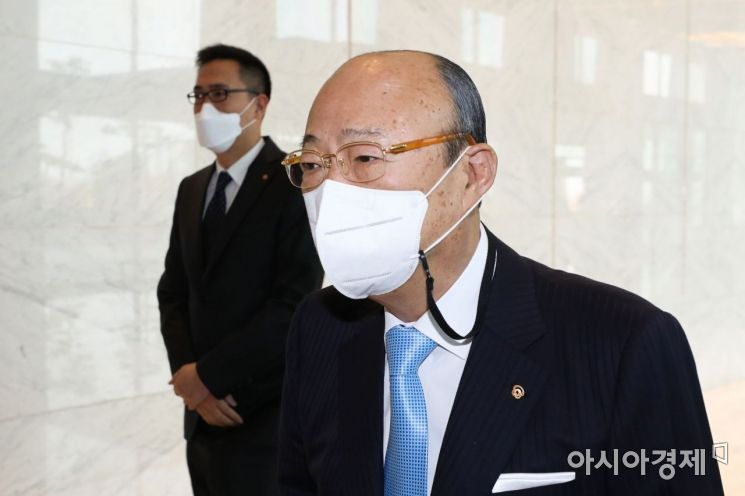
The business community is also paying attention to the fact that, following this share sale, President Kim and Vice President Kim now have the capacity to acquire additional stakes in Hanwha Life Insurance and Hanwha Galleria, which are held by Hanwha Corporation. This has led to speculation that a gradual split among the three brothers' business groups could become more visible.
Hanwha Energy expects that this share sale will help establish a more transparent and efficient governance structure, while also enhancing its financial stability and creditworthiness. Industry experts also analyze that attracting external financial investors is essentially a "pre-IPO" (pre-listing investment) move, laying the groundwork for a mid- to long-term initial public offering (IPO).
Hanwha Energy was established in the late 2000s based on the Yeosu and Gunsan cogeneration plants. Since then, it has expanded its business into future technology fields such as eco-friendly energy solutions, smart factory solutions, and factory automation. Since 2013, Hanwha Energy has actively entered the solar power generation business, building a track record in developing, operating, and selling power plants in the United States, Europe, Japan, Australia, and other regions, thereby establishing itself as a global solar power developer.
Recently, Hanwha Energy has been pursuing new business models such as power retail linked to solar power plants and energy storage systems (ESS), while also entering the LNG combined cycle power generation and hydrogen fuel cell power generation sectors. In 2015, the company participated in the acquisition of Samsung General Chemicals (now Hanwha Impact), expanding its investment scope beyond eco-friendly energy.
© The Asia Business Daily(www.asiae.co.kr). All rights reserved.
![Clutching a Stolen Dior Bag, Saying "I Hate Being Poor but Real"... The Grotesque Con of a "Human Knockoff" [Slate]](https://cwcontent.asiae.co.kr/asiaresize/183/2026021902243444107_1771435474.jpg)
















