Financial Supervisory Service Releases Insurance Dispute Cases Related to Winter Water Leaks and Fires
Mr. Ra experienced a burst embedded pipe in his rented apartment as the weather turned colder in winter. The resulting water leakage caused flooding damage to the unit below, and the downstairs neighbor demanded compensation for repair costs from Mr. Ra. Mr. Ra filed a claim with his personal liability insurance. However, the insurer informed him that, since the embedded pipe is the responsibility of the property owner, the insurance payout would not apply in this case.
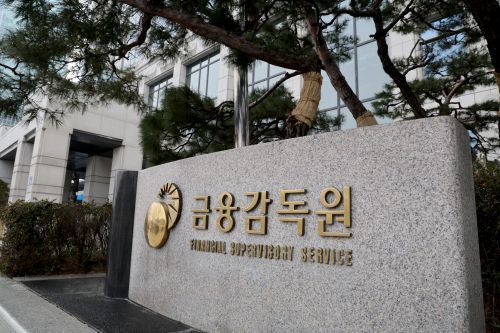
On December 16, the Financial Supervisory Service released examples of insurance disputes related to water leaks and fires, which frequently occur during the winter season.
Personal liability insurance covers cases where the policyholder is legally liable for damages to another person's body or property caused by accidental incidents arising from ownership, use, management, or everyday life activities in the residence. Even if a tenant has purchased personal liability insurance, compensation may not be provided if the legal liability falls on the landlord.
After Mr. Ra was unable to receive compensation for the water leak in his rented apartment through his own personal liability insurance, he sought assistance from the landlord. However, the insurer with whom the landlord had purchased coverage upon moving into the apartment in May 2019 also denied the claim, stating that the insured (the landlord) was not actually residing in the apartment.
According to the terms and conditions of personal liability insurance prior to April 2020, compensation was only provided if the insured resided in the home listed on the insurance policy. However, after revisions to the terms, the coverage was expanded to include not only homes where the insured lives but also residences occupied by individuals (such as tenants) who are permitted to live there through leasing or other arrangements.
Mr. Gu purchased an apartment and personal liability insurance upon moving in May 2022. In June of last year, he was assigned to work in another region, so he rented out his apartment and moved, but did not update the insured property (residence) on his insurance policy.
When a water leak occurred in his new apartment, causing damage to the unit below, Mr. Gu filed a claim with his existing personal liability insurance. However, the insurer informed him that, although the insured resided in the apartment where the leak occurred, it was not the residence listed on the insurance policy and was therefore not covered.
If the insured property listed on the insurance policy and the actual residence differ due to a move after purchasing insurance, accidents occurring in the current residence may not be covered. However, depending on the terms, if it is confirmed that the insured neither resides in nor owns the previously listed property and the risk at the new residence has not significantly increased, compensation may still be possible, so it is important to check the policy details.
Mr. Kim, concerned about possible leaks from the old water supply and drainage pipes in his apartment, purchased water supply and drainage facility leakage insurance through an acquaintance. When a leak did occur, he filed a claim, but it was denied. The insurer explained that the cause of the leak was not the water supply or drainage pipes but the building's waterproof layer, which is not covered by the policy.
Water supply and drainage facility leakage insurance covers direct damages caused by accidental leaks from water tanks, supply and drainage facilities, or pipes in owned or occupied residences. However, leaks caused by cracks in the building's exterior walls or damage to the waterproof layer are not covered.
An official from the Financial Supervisory Service stated, "During winter, accidents such as leaks, fires, and falling objects increase due to worsening weather conditions like cold waves and strong winds," and added, "It is important to review major dispute cases to prepare more effectively for accidents during the winter season."
© The Asia Business Daily(www.asiae.co.kr). All rights reserved.
![Clutching a Stolen Dior Bag, Saying "I Hate Being Poor but Real"... The Grotesque Con of a "Human Knockoff" [Slate]](https://cwcontent.asiae.co.kr/asiaresize/183/2026021902243444107_1771435474.jpg)















