Tighter U.S. ESTA Screening Ahead of North and Central America World Cup
Mandatory Submission of Five Years of SNS Data Casts Shadow Over Event
As the Donald Trump administration in the United States introduces a plan to scrutinize social networking service (SNS) accounts of tourists seeking entry through the Electronic System for Travel Authorization (ESTA) for short-term visitors, concerns are mounting about the potential impact on the success of next year's North and Central America World Cup.
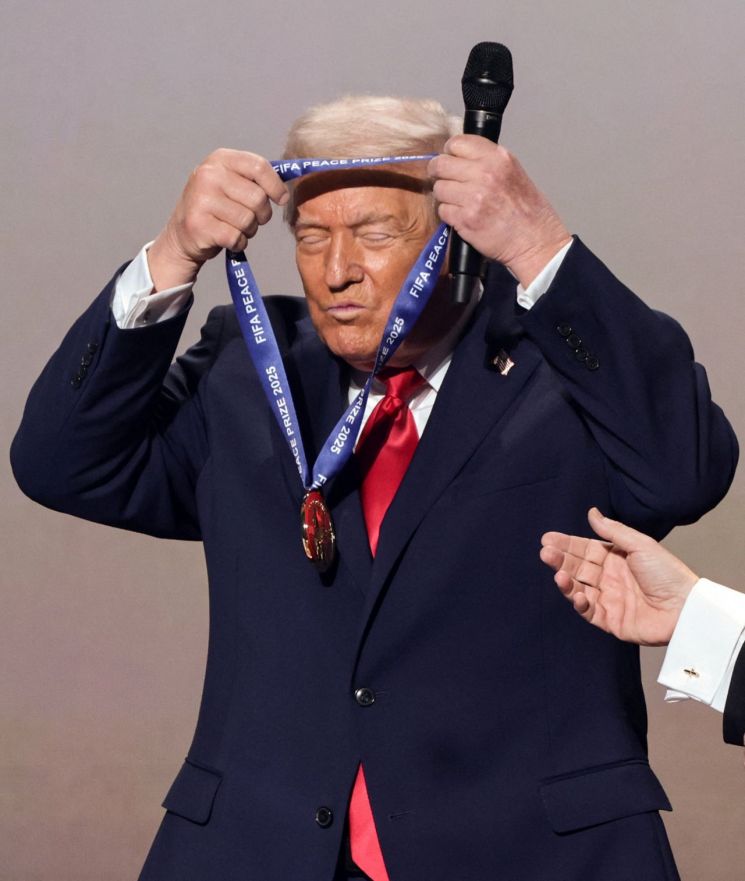
According to Politico, Forbes, and other outlets on December 10 (local time), European countries and football fans have called on FIFA to pressure the U.S. government to withdraw its new ESTA regulations. This response came after the U.S. Customs and Border Protection (CBP) announced a new rule requiring ESTA applicants to submit their SNS information from the past five years.
ESTA is a system that allows citizens of countries with visa waiver agreements with the United States to visit for up to 90 days for business, tourism, or transit purposes without obtaining a separate visa. Since regaining power, the Trump administration has pushed for strict anti-immigration policies, strengthening various regulations on those entering the U.S. As a result, the administration has proposed significantly tightening the screening process for foreign visitors entering the U.S. visa-free through ESTA.
The new screening measures are scheduled to take effect early next year. There are concerns that this will affect the success of the North and Central America World Cup, which will be held in June next year. While hundreds of thousands of football fans are expected to visit the U.S. to watch their national teams play, the new regulations could have a negative impact.
FIFA has projected that next year's North and Central America World Cup will generate $30.5 billion (44 trillion won) in economic benefits and create 185,000 jobs in the United States. However, these figures are based on the assumption that 2.6 million overseas spectators will visit the U.S. for the World Cup. As FIFA has estimated a 1:1 ratio between domestic and overseas spectators, a decrease in overseas visitors would inevitably reduce the economic impact of the World Cup in the U.S.
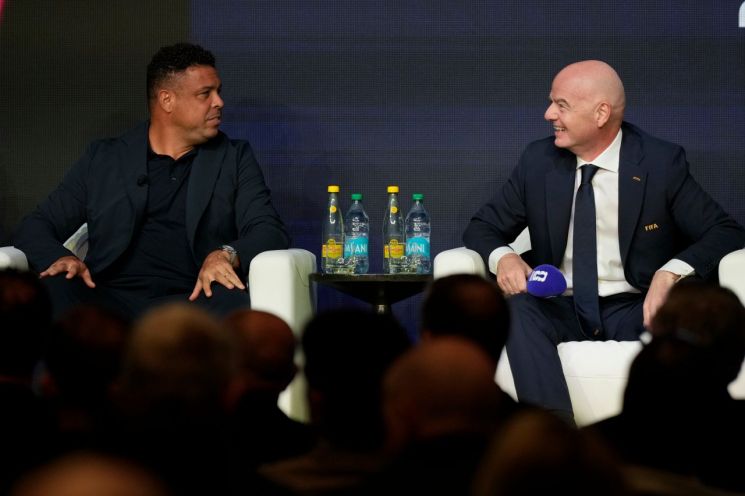 Gianni Infantino, FIFA President (right), is talking with former Brazilian national team striker Ronaldo during the unveiling of the 2026 FIFA World Cup match schedule held in Washington on the 6th (local time). Photo by Yonhap News, AP
Barry Andrews, a member of the European Parliament, stated, "Even the world's worst authoritarian regimes do not implement such official policies," adding, "This plan will obviously deal a serious blow to the U.S. tourism industry." He continued, "Europeans, including football fans planning to attend next year's World Cup, will no longer feel safe."
There have also been calls directed at FIFA. Minky Worden, Director at Human Rights Watch, an international human rights organization, said, "This policy clearly violates FIFA's human rights policy," and demanded, "FIFA must immediately pressure the Trump administration to withdraw it."
Football Supporters Europe (FSE), a European football fan organization, stated, "FIFA must urgently clarify the tournament's security principles so that fans can make informed decisions about whether to travel or stay home."
The impact on the U.S. tourism industry is also drawing attention. The World Travel & Tourism Council has predicted that spending by overseas tourists in the U.S. this year will decrease compared to last year. Tourism Economics, a travel research organization, projected that the number of tourists to the U.S. will decrease by 6.3% this year compared to the previous year. While Economics forecasts a 3.7% rebound in U.S. visitors next year, one-third of the expected increase is directly related to World Cup visitors, so if ESTA screening is tightened, the actual increase could be smaller.
© The Asia Business Daily(www.asiae.co.kr). All rights reserved.
![Clutching a Stolen Dior Bag, Saying "I Hate Being Poor but Real"... The Grotesque Con of a "Human Knockoff" [Slate]](https://cwcontent.asiae.co.kr/asiaresize/183/2026021902243444107_1771435474.jpg)
















