Includes Ban on Using Funds to Reduce Troop Levels Below 28,500
The final version of the 2026 National Defense Authorization Act (NDAA), which includes provisions restricting the U.S. administration from unilaterally reducing the number of U.S. troops stationed in South Korea, passed the U.S. House of Representatives on December 10 (local time).
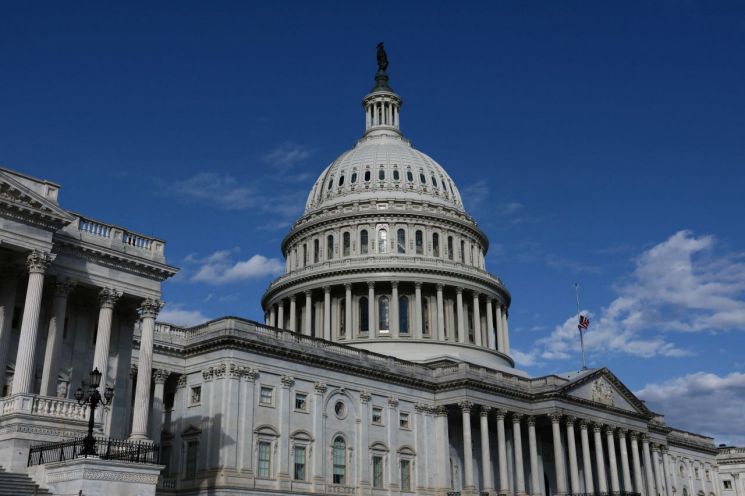
According to the Associated Press and other sources, the consolidated NDAA for fiscal year 2026 (October 2025-September 2026) was approved in a House floor vote with 312 in favor and 112 against. The bill, having passed the House, will take effect once it passes the Senate and is signed by U.S. President Donald Trump.
The NDAA, which passed the House on this day, specifies that the budget authorized by the bill cannot be used to reduce the current level of U.S. Forces Korea below 28,500 personnel. It also states that funds cannot be used to complete the transfer of wartime operational control from the U.S.-led Combined Forces Command to a South Korea-led command in any manner that deviates from the mutually agreed-upon plan between the two countries.
The NDAA is an annual bill that authorizes the U.S. Department of Defense’s budget and policies. Provisions related to U.S. Forces Korea were passed by the House in September and the Senate in October, and have recently been finalized through reconciliation between the two chambers.
The restriction on using NDAA funds to reduce U.S. Forces Korea was originally included in the fiscal year 2019-2021 bills to prevent unilateral reductions by the administration during the first Trump administration. However, it was omitted during the Joe Biden administration and has now been reinstated.
Including these provisions, the total defense budget for fiscal year 2026 as agreed upon by the House and Senate is $901 billion (approximately 1,300 trillion won), which is $8 billion more than the budget requested by the Trump administration. The bill also newly introduces regulations restricting U.S. investment in certain Chinese technologies, reflecting a bipartisan determination to prevent U.S. capital from being used in the development of China’s artificial intelligence (AI) and military technologies.
© The Asia Business Daily(www.asiae.co.kr). All rights reserved.
![Clutching a Stolen Dior Bag, Saying "I Hate Being Poor but Real"... The Grotesque Con of a "Human Knockoff" [Slate]](https://cwcontent.asiae.co.kr/asiaresize/183/2026021902243444107_1771435474.jpg)















