Chinese Restaurant Owner in Japan Arrested
Accused of Repeatedly Stealing Fish Waste

Controversy has arisen in Japan after it was revealed that a Chinese restaurant owner stole fish waste and served it to customers.
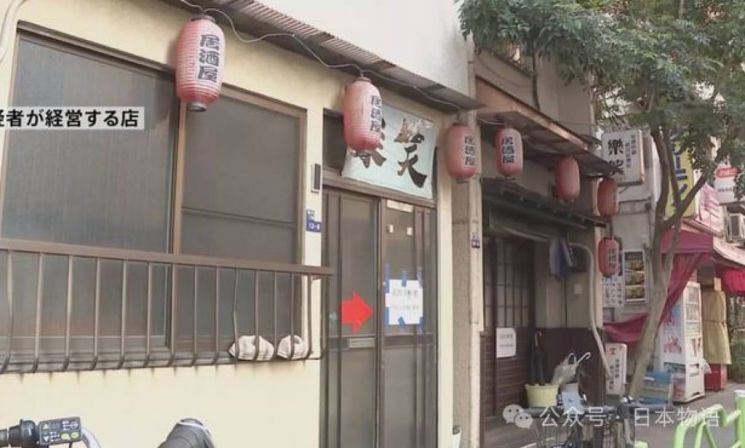 A Chinese woman operating a restaurant in Japan was arrested by the police on charges of stealing fish waste. Chinese social networking service (SNS)
According to the South China Morning Post (SCMP) and other sources on December 9 (local time), Japanese police arrested a 66-year-old woman, Wu Huayou, on charges of theft and trespassing on November 28.
Wu is accused of breaking into a seafood wholesale building at Toyosu Market in Tokyo on the evening of November 21 and stealing 30 kilograms of tuna backbones and other parts worth 210 yen (about 2,000 won).
According to Japanese police, closed-circuit television (CCTV) footage from the scene showed Wu arriving at a collection site operated by a company that collects bones and skins, riding a bicycle, and placing tuna bodies and bones into her bicycle basket and a styrofoam container.
Wu's crimes continued after the initial incident. She returned to the scene the day after the first theft, on November 22, and appeared for a third time on November 26, when she was discovered by a market employee and arrested.
Wu and her husband run a restaurant serving sashimi and Chinese cuisine about 1.5 kilometers from the market, and are known to have regularly sourced ingredients from the market. It was reported that she was well aware of where each store kept its fish by-products.
The tuna backbones and discarded parts she took had originally been set aside to be processed into feed for farmed fish.

During the police investigation, Wu stated, "I thought it would be edible if cooked." She said that she minced the parts to make meatballs for her own consumption and grilled some to serve to customers.
Local residents told Fuji News Network (FNN), "This restaurant was so popular that it was featured in magazines several times, thanks to its generous portions, low prices, and the owner's cheerful personality."
Once the incident became public, outrage spread online in Japan. One Japanese netizen commented, "It was only 210 yen (about 2,000 won) for 30 kilograms. She could have just bought it legally." Another netizen criticized, "These are waste products, not meant for consumption. Serving them to others is a bigger problem than the theft itself."
Another Japanese netizen argued, "This isn't a case of a foreign student just entering society. It's a settled resident running a business committing this crime-she should be deported." The media reported that Wu's length of residence in Japan is unknown, but if she is convicted, she may lose her residency status.
There was also debate over the Japanese police's decision to release Wu's real name and masked face. Some questioned whether it was necessary to disclose her name and face for a minor offense.
© The Asia Business Daily(www.asiae.co.kr). All rights reserved.
![Clutching a Stolen Dior Bag, Saying "I Hate Being Poor but Real"... The Grotesque Con of a "Human Knockoff" [Slate]](https://cwcontent.asiae.co.kr/asiaresize/183/2026021902243444107_1771435474.jpg)


















