The Lineage of Traditional Arts Films Has Been Broken in Korea
A Changed Industry Ecosystem Compared to Japan
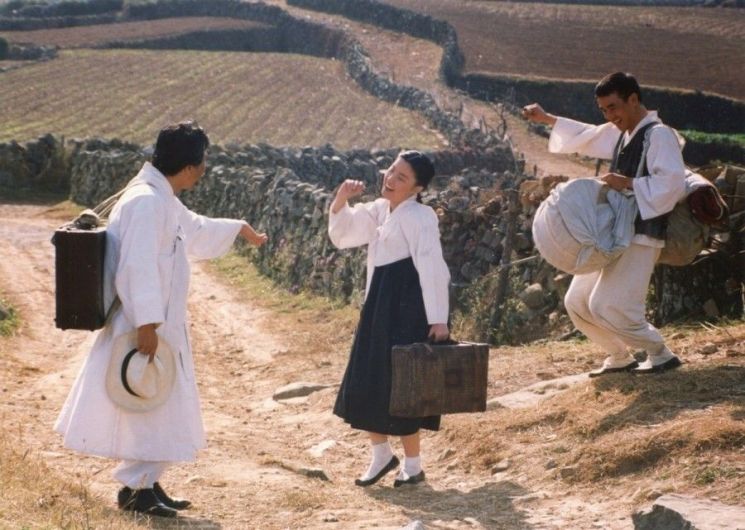
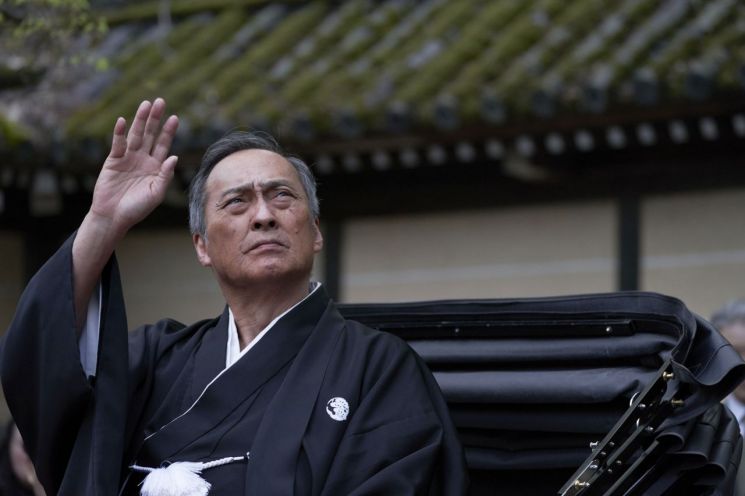
The commercial success of the Japanese film "Gukbo" is not merely the triumph of a single work. It has demonstrated the potential for films that reinterpret traditional arts in a contemporary way to create a major market. When compared side by side with Korean cinema, the question becomes even clearer: Why is it that, in Korea, films like "Gukbo" are not being made today?
In 1993, "Seopyeonje" left a powerful mark on Korean film history with its narrative centered on pansori. "Chunhyang" (2000), "Untold Scandal" (2003), and "The King and the Clown" (2005) also achieved box office success by combining traditional aesthetics with commercial appeal. The competitiveness of traditional themes was already proven by Korean films in the 1990s and 2000s.
However, this lineage weakened rapidly after the 2010s and, by the 2020s, has effectively disappeared. As production structures and the industry ecosystem changed, large-scale projects based on traditional arts vanished even at the planning stage.
Why Have Traditional Arts-Based Projects Disappeared in Korea?
The most prominent characteristic defining the current Korean film industry is its preference for certain genres. Over the past decade, crime, thriller, and disaster films have consistently generated stable profits, prompting investors to align with this structure. In contrast, films centered on traditional culture have been excluded at the planning stage due to the perceived high risk of not recouping investments.
The rapid rise of OTT platforms has further reinforced this trend. OTT services favor genre content that can be consumed instantly and prioritize mid- to low-budget projects. The persuasive power of theaters has weakened, and it has become difficult to produce theatrical content unless it fits a clearly defined genre. As a result, films based on traditional arts have disappeared from the scenario stage onward.
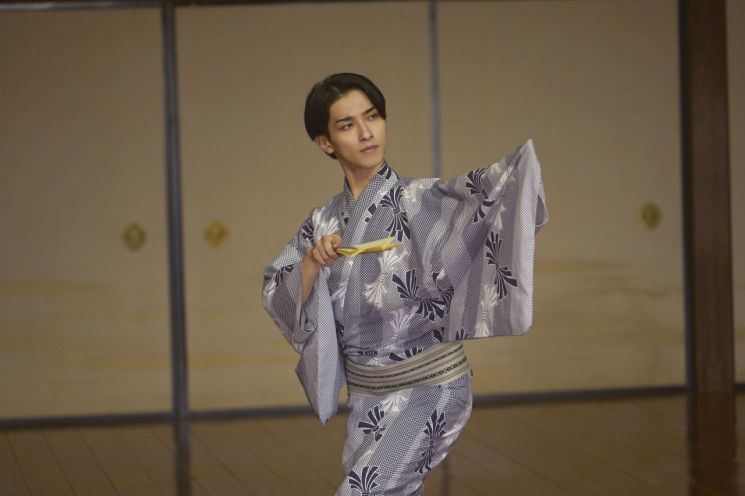
The decline in professionals capable of embodying traditional arts is another major factor. In Japan, experts in kabuki, noh, and traditional dance consistently collaborate with the film industry, building a robust infrastructure. Korea also demonstrated a high level of reinterpretation of traditional aesthetics in films like "Seopyeonje," "The King and the Clown," and "Chunhyang." However, since the 2010s, the connection between the traditional arts sector and the film industry has rapidly weakened.
Even the number of directors, action choreographers, cinematographers, and art directors capable of translating traditional painting, movement, and music into cinematic language has decreased, making traditional arts films a genre that is difficult to produce, even if the potential exists.
There are also structural differences in the audience base. In Japan, there is a steady consumer base for traditional arts, but in Korea, traditional arts are consumed mainly through performances and education. They rarely connect with the audience for large-scale commercial content. In a market with a weak audience base for traditional culture, investors find it difficult to commit significant capital to projects with uncertain initial demand.
The Korean film industry is also facing a triple crisis: a reduction in the number of productions, a decrease in investment, and a depletion of scenarios. Mid- to low-budget films are moving to OTT platforms, while commercial films for theaters are concentrated in a few genres, narrowing the scope for creativity. Under these circumstances, experimental hybrid genres that combine traditional arts, drama, and visual aesthetics-like "Gukbo"-are difficult to establish.
How to Restore the 'Broken Lineage'
The success of "Gukbo" sends a clear message to Korean cinema. Only works that translate traditional culture into contemporary emotional narratives, connect with younger audiences, offer experiences unique to theaters, and achieve a scale that distinguishes them from OTT content can create a long-term market.
Korean cinema has already demonstrated global competitiveness by combining traditional arts and modern storytelling in the 1990s and 2000s. The problem is that this lineage has been severed amid changes in the industry.
To expand once again, traditional culture must be reinterpreted in today's language, the aesthetics unique to theaters must be restored, and an ecosystem that allows for experimentation with new genres must be established. In addition, the structure in which traditional arts-based projects disappear from the planning stage must be changed.
What Korean cinema needs now is neither a repetition of Seopyeonje's legacy nor an imitation of Gukbo. It is the experimentation required to reconnect the broken lineage.
© The Asia Business Daily(www.asiae.co.kr). All rights reserved.
![Clutching a Stolen Dior Bag, Saying "I Hate Being Poor but Real"... The Grotesque Con of a "Human Knockoff" [Slate]](https://cwcontent.asiae.co.kr/asiaresize/183/2026021902243444107_1771435474.jpg)

















