3?5% Growth Expected Next Year, Market to Reach 637 Trillion Won
Number of Consumers Drops by 60 Million in Three Years
The global luxury goods market, which has experienced a downturn over the past two years, is expected to return to growth next year, expanding by 3-5%. However, analysts warn that consumer fatigue from continuous price hikes is raising concerns about customer attrition.
On November 20 (local time), Bain & Company announced the results of a joint survey with the Italian luxury association Altagamma, projecting that the luxury market will reach a size of 365-375 billion euros (approximately 620-637 trillion won) in 2026, representing 3-5% growth compared to this year.
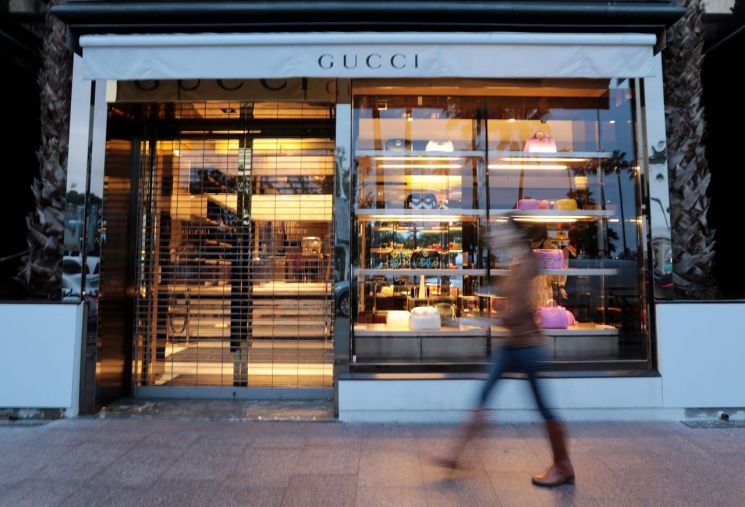
In its report, Bain & Company based this outlook on the assumption that the United States will continue to grow thanks to a robust financial market, and that China will show signs of economic recovery next year.
This year, the global personal luxury goods market is estimated at 358 billion euros, down about 2% from the previous year (364 billion euros), but nearly flat when measured at constant exchange rates. In a report published in June, Bain & Company had predicted that luxury demand could drop by as much as 5% this year, but the market size has been maintained. After a slump following the COVID-19 pandemic, the luxury market had rebounded to 369 billion euros in 2023, but has since experienced another downturn.
However, the report notes that ongoing price increases by luxury brands have led to declining demand among aspirational buyers, particularly those in the middle class, and that even ultra-high-net-worth customers are beginning to feel a sense of "betrayal." This outcome runs counter to the premiumization strategy that has driven the luxury sector in recent years.
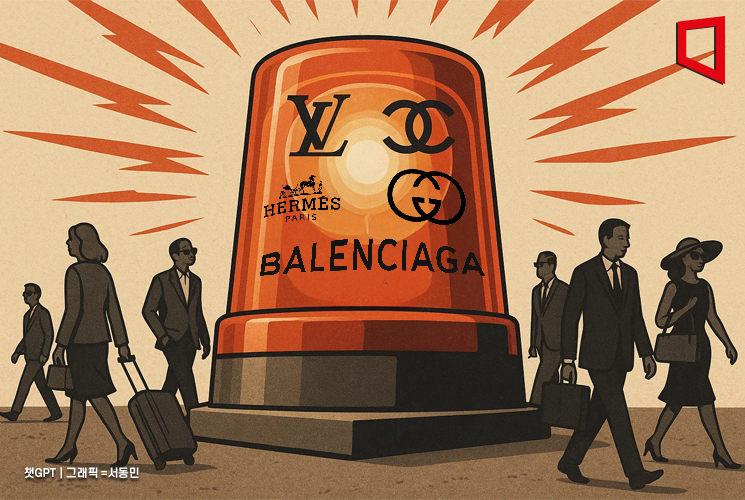
The survey found a decrease in the number of luxury consumers. The number of luxury buyers fell from 400 million in 2022 to 340 million in 2025. The rate at which luxury brands acquired new customers declined by 5% between 2024 and 2025. The proportion of highly engaged consumers among all luxury buyers also dropped from about 60% in 2022 to 40-45% this year.
Federica Levato, Partner at Bain & Company, stated, "Targeting only the top-tier clientele is not enough. Even they are starting to feel betrayed by the industry and are becoming dissatisfied." She pointed out that price increases, combined with a perceived lack of innovation, are exacerbating the problem. Levato also noted that the price hike strategy has alienated younger generations, who drive trends and influence the purchasing decisions of older consumers, from luxury brands.
Previously, on November 18, Reuters reported that Luca de Meo, CEO of Kering, Gucci's parent company, sent a memo to senior staff stating that, after years of price increases, there is a need to review both pricing policies and product assortments.
Nevertheless, the report forecasts that the luxury market will show long-term growth, supported by sustained consumption and expanding demand. By 2035, the personal luxury goods market is expected to reach 525-625 billion euros, while total luxury spending is projected to hit 2.2-2.7 trillion euros.
© The Asia Business Daily(www.asiae.co.kr). All rights reserved.
![Clutching a Stolen Dior Bag, Saying "I Hate Being Poor but Real"... The Grotesque Con of a "Human Knockoff" [Slate]](https://cwcontent.asiae.co.kr/asiaresize/183/2026021902243444107_1771435474.jpg)
















