H5N1 Confirmed in Greater White-fronted Goose in Seodaemun
Seoul Implements Surveillance and Movement Restrictions
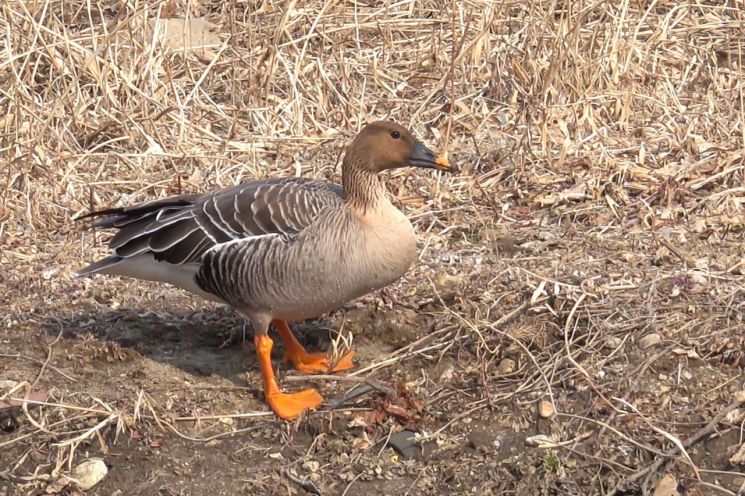
On November 19, the Seoul Metropolitan Government announced that highly pathogenic avian influenza (H5N1 type) was definitively confirmed in the carcass of a wild bird (Greater White-fronted Goose) recently found in Seodaemun-gu. This marks the first detection of highly pathogenic avian influenza in wild birds in Seoul in two years and ten months since January 2023.
The Greater White-fronted Goose, which was confirmed to have the virus, was rescued on November 13 following a citizen report. While receiving treatment at the Seoul Wildlife Rescue and Management Center, the bird exhibited neurological symptoms and subsequently died. The center then requested a detailed examination from the National Institute of Wildlife Disease Control and Prevention. As a result, the H5 antigen was detected on November 15, and on November 18, the case was definitively confirmed as highly pathogenic avian influenza.
Accordingly, the city has intensified disinfection and surveillance at the discovery site and surrounding habitats. Immediately after the suspected case was reported, Seoul Metropolitan Government and Seodaemun-gu disinfected the detection site. After confirmation of the H5 antigen, a restricted zone was established and disinfection and control measures were expanded.
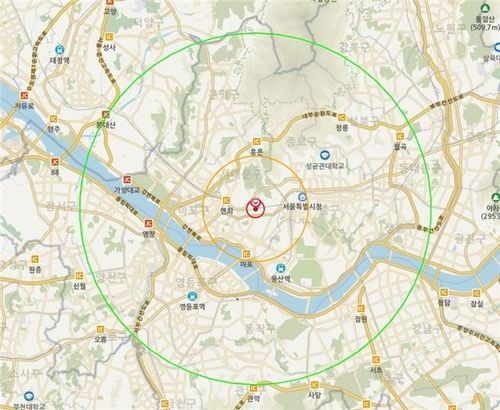
In addition, the area within a 10 km radius of the detection site was designated as a "wild bird surveillance area," with enhanced monitoring and quarantine measures. Following the confirmation of highly pathogenic avian influenza, a movement restriction order was issued for domestic poultry within the surveillance area. This movement restriction will be lifted only if there are no abnormalities in clinical and detailed examinations conducted 21 days after sample collection.
To prevent human infection, the city is actively monitoring by providing information on individuals involved in reporting, transporting, and testing the carcass to the Infectious Disease Management Division. Furthermore, birdwatching activities, ecological education programs, and events in wild bird habitats within a 10 km radius have been suspended or postponed.
Meanwhile, after the government raised the highly pathogenic avian influenza crisis level to "serious" on October 27, the Seoul Metropolitan Government upgraded its livestock quarantine situation room to the Quarantine Countermeasures Headquarters and is maintaining an emergency communication system with district offices and related agencies.
Lee Suyeon, Director-General of the Seoul Urban Garden Bureau and Head of the AI Quarantine Countermeasures Headquarters, stated, "Although there have been no cases of human infection with avian influenza in Korea, we ask the public to refrain from visiting migratory bird habitats and to avoid contact with wild birds and their droppings."
© The Asia Business Daily(www.asiae.co.kr). All rights reserved.
![Clutching a Stolen Dior Bag, Saying "I Hate Being Poor but Real"... The Grotesque Con of a "Human Knockoff" [Slate]](https://cwcontent.asiae.co.kr/asiaresize/183/2026021902243444107_1771435474.jpg)
















