Bakery Exports Up 8.5% This Year
Orion’s “Cham Bungeoppang” Exports Surge Tenfold
Korean Bakery Items Like Bungeoppang and Steamed Buns Gain Popularity
Driven by Korean Cultural Content and Social Media Buzz
Frozen Food Technology Lowers Barri
Bungeoppang, a traditional Korean street food, is emerging as a strategic product in the global bakery market. Once a seasonal snack sold by street vendors in winter, it has now established itself in major overseas distribution channels, thanks to advancements in frozen food technology and the global popularity of Korean pop culture content. As a result, it is becoming a new growth engine for exports.
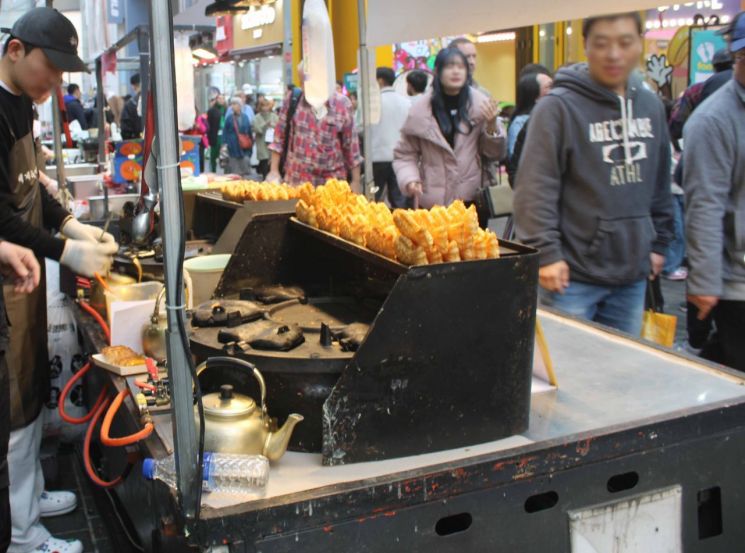 The fish-shaped bread, which has repeatedly appeared in Korean travel vlogs, K-dramas, and variety shows, has instilled in foreign consumers the perception that it is a "must-eat street food when visiting Korea." Getty Images
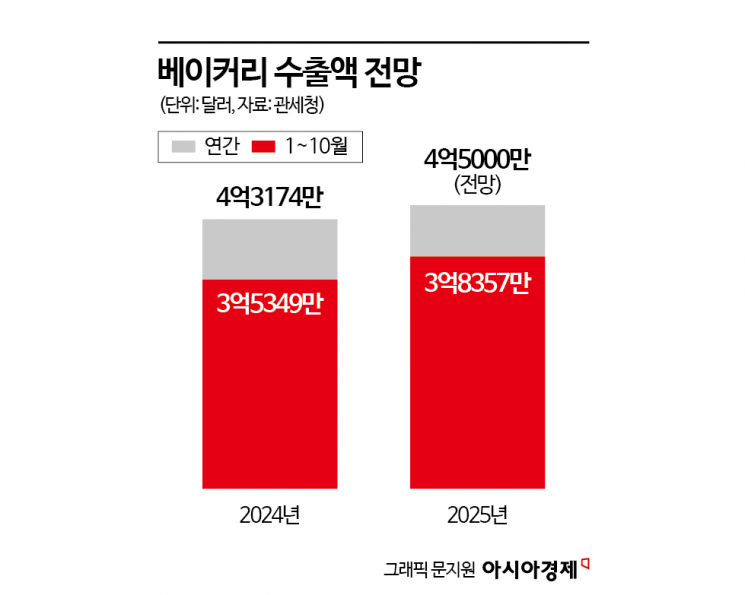
According to the Korea Customs Service, bakery exports-including bread and pastries-reached 383.57 million dollars from January to October this year, an 8.5% increase compared to 353.49 million dollars during the same period last year. Last year’s annual export value reached a record high of 431.74 million dollars, and it is expected that this year will easily set a new record as well.
Industry experts attribute this growth mainly to Korean-style bakery products such as Bungeoppang and Hoppang. As the quality of frozen foods has improved, cooking convenience has increased significantly, allowing Bungeoppang to be reinterpreted as a “ready-to-eat dessert (HMR Dessert).” This has rapidly attracted the attention of overseas consumers.
In fact, Korean food companies have begun developing Bungeoppang as a global, year-round product. Starting next month, Ottogi will launch four types of Bungeoppang in the United States, including matcha, sweet potato, red bean, and custard cream flavors. An Ottogi representative explained, "We have created not only the original red bean and custard cream flavors, but also matcha and sweet potato flavors to reflect local preferences and trends. We have also recreated the signature texture of Bungeoppang, which is crispy on the outside and moist on the inside."
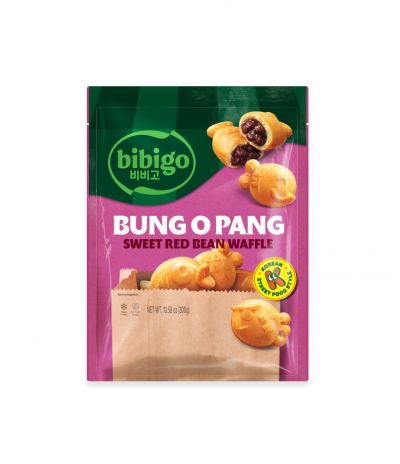
CJ CheilJedang is also developing Bungeoppang as part of its next-generation K-food strategy. The company has designated six major products as strategic items in the K-street food category: tteokbokki, hot dogs, gimbap, seaweed rolls, Bungeoppang, and hotteok. Bibigo Bungeoppang began exports in August 2023 and is now sold in major markets such as the United States, Japan, the Philippines, and Vietnam.
The export lineup includes three types: Bibigo Bungeoppang red bean, custard cream, and chocolate. Recently, the company has also expanded its product category by collaborating with the organic matcha brand “Super Matcha” to launch “Bibigo Matcha Bungeoppang” in Korea. A CJ CheilJedang representative stated, "Although it is difficult to disclose specific overseas sales or performance at this time, we have been selling mainly through ethnic channels in the United States since January last year, and the response has been very positive."
Snacks that mimic the shape of Bungeoppang are also gaining popularity. Orion’s “Cham Bungeoppang” established a local production system based on demand from Chinese tourists, and after entering Costco in the United States this year, its export volume increased about tenfold compared to the previous year.
Industry insiders cite the familiarity created by Korean pop culture content as the primary factor accelerating the global spread of Bungeoppang. The fish-shaped bread, which has repeatedly appeared in Korean travel vlogs, K-dramas, and variety shows, has instilled in foreign consumers the perception that it is a "must-eat street food when visiting Korea." The trend of rising prices is also supporting the spread of Bungeoppang. As coffee and bakery prices increase in major markets such as the United States and Japan, Bungeoppang is gaining attention as an affordable yet satisfying alternative dessert. Additionally, its cute fish shape makes it photogenic and well-suited for social media, further boosting its popularity.
Experts note that the export structure of K-food is rapidly expanding beyond ramen and dumplings to include general frozen foods, bakery sections, and even street food categories. Bungeoppang is recognized for its competitive edge in price, cooking convenience, and visual appeal, playing a key role in broadening the dessert segment.

An industry insider commented, "Bungeoppang is not just about the taste itself; it naturally attracts overseas consumers who want to experience Korean culture. In the future, diversifying products, expanding distribution channels, and securing price competitiveness will be key tasks for long-term growth."
© The Asia Business Daily(www.asiae.co.kr). All rights reserved.
![Clutching a Stolen Dior Bag, Saying "I Hate Being Poor but Real"... The Grotesque Con of a "Human Knockoff" [Slate]](https://cwcontent.asiae.co.kr/asiaresize/183/2026021902243444107_1771435474.jpg)


















