Petition for "Tenant Interview" System Submitted to National Assembly Platform
Claimed to Be "Common Practice in Advanced Rental Markets"
A petition calling for the introduction of a "pre-interview" system that would allow landlords to screen tenant information has appeared on the National Assembly's public petition platform, drawing significant attention. As both the government and the National Assembly are moving to expand the scope of landlord information disclosure, the petition argues that tenants should also be required to disclose information equally in order to protect property rights.
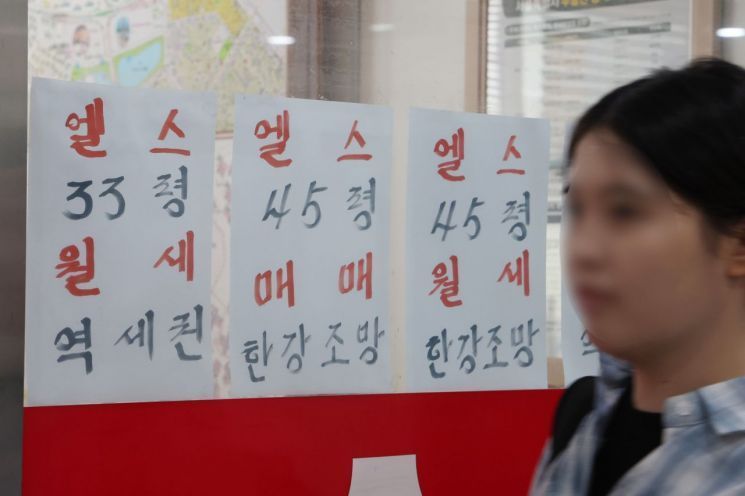
On November 13, a petition titled "Introducing a Tenant Interview System to Prevent Damage from Malicious Tenants" was posted on the National Assembly's public petition platform. The petition garnered more than 100 preliminary supporters within just two days of posting and was made public on the website. If it receives the support of over 50,000 people within 30 days, it will be subject to a full review by the National Assembly's standing committee.
The petitioner stated, "With the current opaque tenant contract system, there is no way to know if a criminal or someone with bad credit is moving into my home," adding, "To prevent disputes and protect landlords' property rights, a tenant interview system that allows both parties to trust each other when signing a contract is necessary."
The petitioner explained that the tenant interview system would involve an interview or document screening process to assess the tenant's creditworthiness, ability to pay monthly rent, and attitude toward living in the property.
Specifically, the first stage would be a document screening process to verify the tenant's credit and ability to pay rent, requiring the submission of: a credit report to check for loan delinquencies; a criminal record certificate to verify any criminal history; an income certificate to confirm the ability to pay monthly rent; a tax payment certificate to check for any overdue taxes; and a family relationship certificate to verify consistency with declared household members.
Next, the petitioner proposed that a second stage interview should be conducted to confirm the tenant's methods and willingness to pay rent, followed by a third stage in which the tenant would complete an internship period. Only after confirming that there are no potential issues such as missed rent payments, property damage, or conflicts with neighbors, and once the landlord is assured of the tenant's reliability, should the lease contract be signed.
The petitioner emphasized, "Landlords want to select tenants they can trust in order to minimize potential risks in lease contracts," adding, "Such procedures are already common practice in advanced rental markets like Germany, the United States, and France." The petitioner further argued, "Our country must urgently introduce this system to minimize disputes between landlords and tenants."
Meanwhile, the so-called "3+3+3 Lease Law" amendment bill was recently introduced in the National Assembly. On October 2, Assemblyman Han Changmin of the Social Democratic Party sponsored a partial amendment to the Housing Lease Protection Act, which proposes extending the current lease period from two years to three years and strengthening the right to request contract renewal to two times. The bill also includes provisions requiring landlords to submit national and local tax payment certificates and health insurance payment records, enabling verification of the landlord's financial status.
© The Asia Business Daily(www.asiae.co.kr). All rights reserved.
![Clutching a Stolen Dior Bag, Saying "I Hate Being Poor but Real"... The Grotesque Con of a "Human Knockoff" [Slate]](https://cwcontent.asiae.co.kr/asiaresize/183/2026021902243444107_1771435474.jpg)















