Widespread Discontent Over Previous Administration's Supervision Methods and Heavy Workloads
Concerns of a "Season 2" If Executive Reshuffle Is Limited Despite New Leadership
Governor Lee Chanjin Faces Dilemma Between Continuity and Staff Morale
There is growing unrest within the Financial Supervisory Service (FSS) amid reports that the upcoming executive reshuffle will not be extensive. Employees are increasingly concerned that if executives appointed during the previous governor's tenure remain in their positions, the harsh supervisory and inspection practices, as well as frequent overtime work that characterized that period, will be repeated. As speculation mounts that Governor Lee Chanjin is considering only a minor reshuffle, internal opposition is also rising.
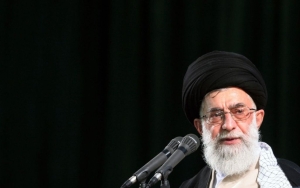
![[1mm Finance Talk] "Do We Have to Keep Serving the Former Governor's Loyalists?"...FSS Unsettled Over Plans for Minor Reshuffle](https://cphoto.asiae.co.kr/listimglink/1/2025111316510017004_1763020259.jpg) Lee Chanjin, Governor of the Financial Supervisory Service, is attending the 2025 National Assembly Political Affairs Committee audit held at the National Assembly in Yeouido, Seoul, on the 21st of last month, responding to questions from lawmakers. Photo by Yonhap News
Lee Chanjin, Governor of the Financial Supervisory Service, is attending the 2025 National Assembly Political Affairs Committee audit held at the National Assembly in Yeouido, Seoul, on the 21st of last month, responding to questions from lawmakers. Photo by Yonhap News
According to the financial sector on November 14, a post regarding the executive reshuffle appeared on the FSS's anonymous bulletin board earlier this month. The post called for a vote on which executives should be 'out' in the upcoming personnel changes. Out of approximately 2,000 FSS employees, about 300 participated in the vote. As a result, Senior Deputy Governor Lee Sehun and several deputy governors who held key positions during former Governor Lee Bokhyeon's term ranked at the top of the list.
Several similar posts followed, expressing concerns such as, "Do we have to continue serving the loyalists of the former governor?" and "At least a minimal executive reshuffle is necessary." These posts reflected fears that, without changes in leadership, the excessive supervisory and inspection practices and heavy workloads from the previous administration would return. Some posts even used terms like "abuse of power" and "personnel tyranny," raising the level of criticism.
Among the cases employees cited as examples of "excessive supervision and inspection" were the improper loan scandal involving relatives of former Woori Financial Group Chairman Son Tae-seung, and the downgrade of Woori Financial's management status evaluation (Gyeongpyeong) rating. Internally, it was alleged that during the investigation into Son's relatives, there was pressure to focus on the Act on the Aggravated Punishment of Specific Economic Crimes (Special Economic Crimes Act), rather than financial regulatory laws. In fact, prosecutors indicted Son's relatives on charges of embezzlement, breach of trust, and bribery under the Special Economic Crimes Act. As a result, some employees reportedly complained that former executives imposed a prosecutorial style of investigation.
There were also claims of excessive measures during the management status evaluation of Woori Financial. Traditionally, the FSS has allowed supervised institutions autonomy in calculating their capital ratios, but during the previous governor's tenure, they were reportedly asked to resubmit calculations on the grounds of errors. Some employees argue that the current executives played an active role in these cases and worry that a limited reshuffle will not bring significant change.
However, the financial sector believes it will be difficult for Governor Lee to carry out a large-scale reshuffle, regardless of employee dissatisfaction. Governor Lee has publicly mentioned "guaranteeing executive terms," and after experiencing political controversy over the establishment of the Financial Consumer Protection Agency, he is seen as having little choice but to prioritize continuity. With the ongoing organizational restructuring that will elevate the Financial Consumer Protection Department to a headquarters-level division, the timing of the personnel changes cannot be delayed much longer, according to analysts.
The FSS executive reshuffle is heavily influenced by the governor's intentions. The governor directly appoints deputy governors, while the appointment of senior deputy governors requires approval from the Financial Services Commission, but the governor holds the right to nominate. Although personnel vetting by the presidential office remains a variable, most observers believe it will be difficult for Governor Lee to reverse his stance and conduct a sweeping overhaul of the executive team.
One FSS employee commented, "Just as new wine should be put into new wineskins, organizational reform starts with personnel changes. If the executives who rose to prominence under the previous governor remain, there will be significant resistance from staff."
© The Asia Business Daily(www.asiae.co.kr). All rights reserved.